
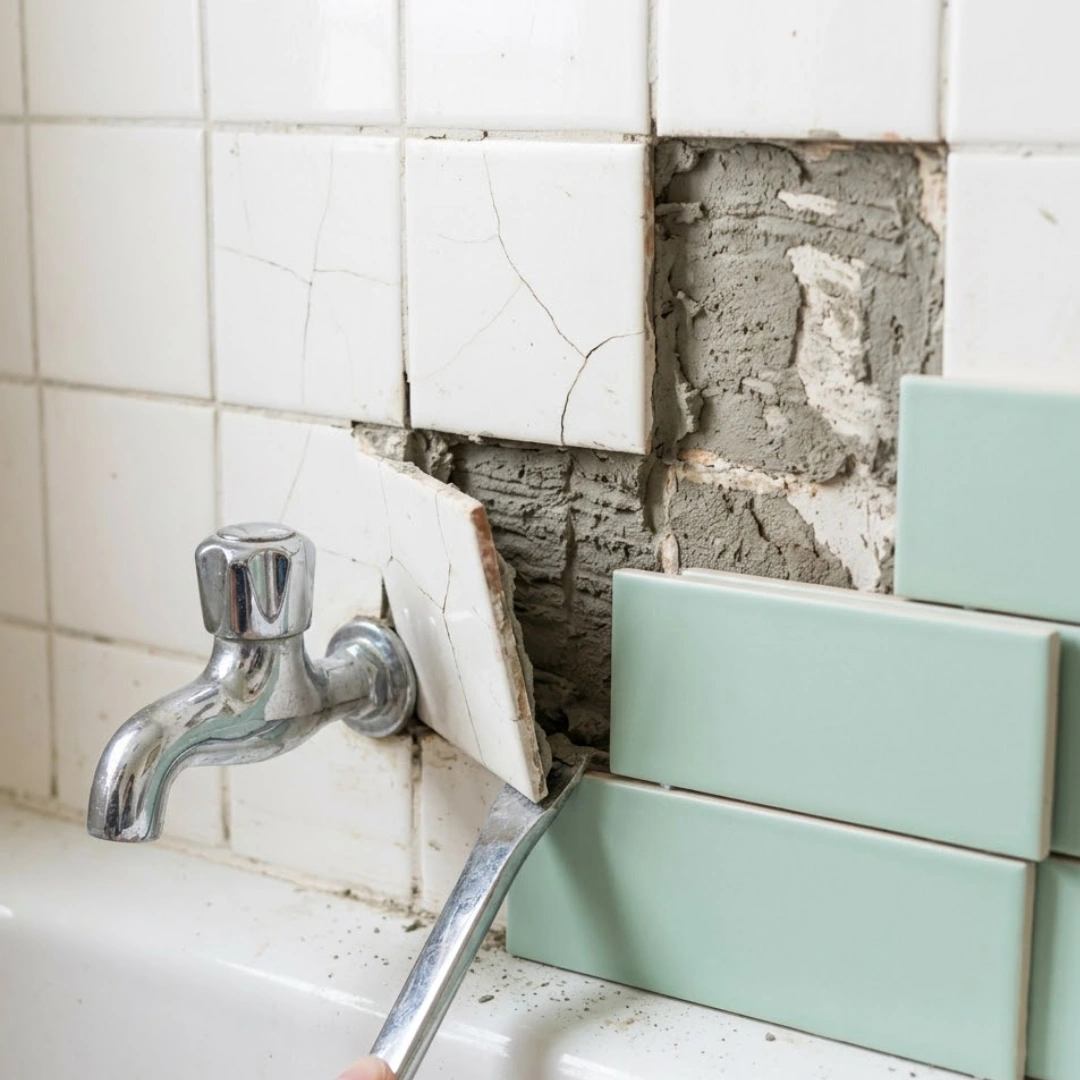
Replacing Bathroom Tiles Without a Full Refurb: Is It Worth It
Many homeowners looking to replace bathroom tiles London services often wonder whether they really need a full renovation or if changing the tiles alone will solve the problem. In some cases, replacing worn or damaged tiles can refresh a bathroom and prevent further deterioration. In other situations, tile replacement may only hide deeper plumbing, moisture, or structural issues temporarily.
Bathrooms experience constant exposure to water, humidity, and daily wear. Over time, cracked tiles, loose grout, damp patches, and hidden leaks can develop behind surfaces. According to the Association of British Insurers (ABI), escape of water remains one of the most common causes of household insurance claims in the UK.
Before deciding between simple tile replacement and a complete bathroom refurbishment London project, it is important to understand what tile damage may actually indicate beneath the surface.
When Replacing Bathroom Tiles Can Be Worth It
In certain situations, replacing tiles without a full refurbishment can be a practical and cost-effective option.
This usually applies when:
- Plumbing remains in good condition
- Waterproofing is still intact
- There are no signs of damp or leaks
- The bathroom layout works well
- Damage is limited to surface tiles only
If the rest of the bathroom is functioning properly, replacing damaged tiles may extend the room’s lifespan and improve maintenance.
For homeowners planning to stay in their property for only a few more years, partial upgrades may also provide a reasonable short-term solution.
However, a professional inspection is important before assuming the issue is purely cosmetic.
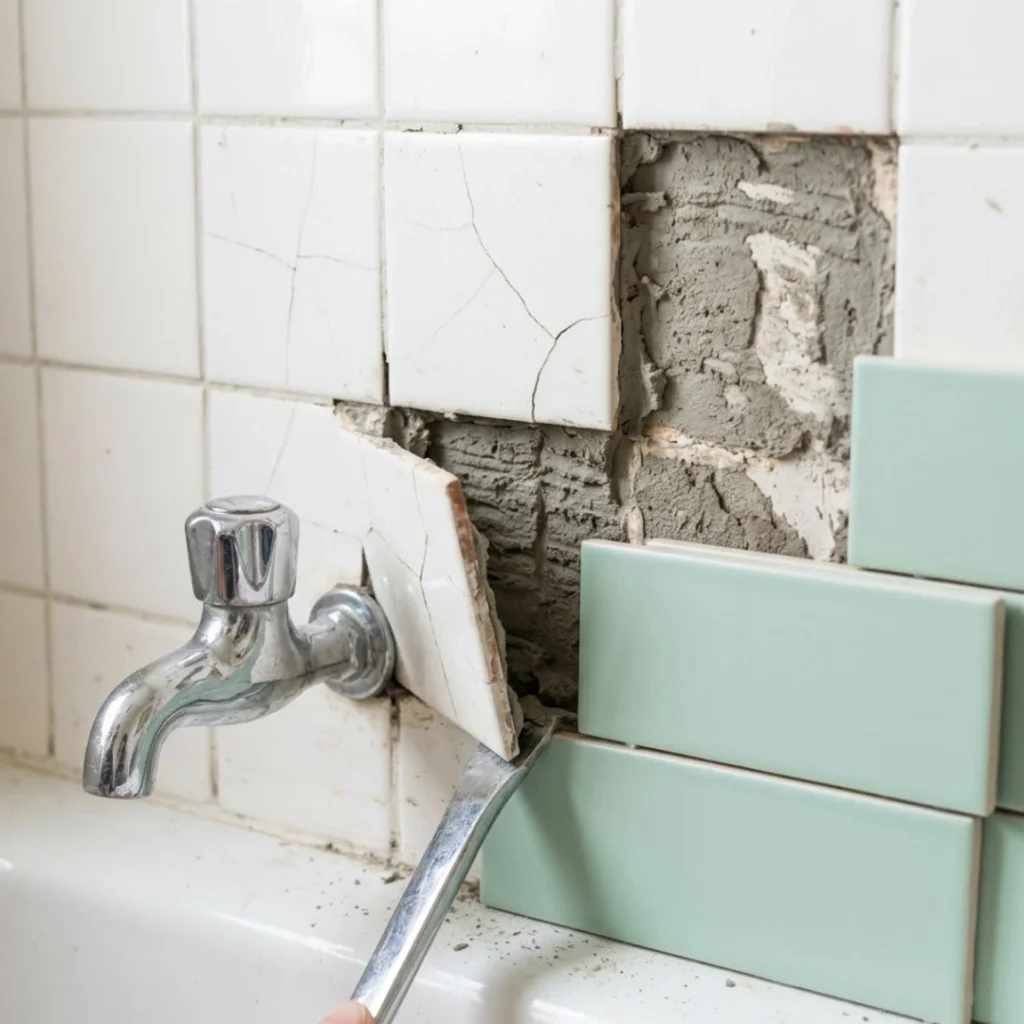
Cracked Tiles Often Signal Bigger Problems
Cracked or loose tiles are not always isolated problems. In many older London bathrooms, tile movement can indicate hidden structural or moisture-related damage underneath.
According to the UK Centre for Moisture in Buildings, prolonged moisture exposure behind bathroom surfaces can lead to timber decay, mould growth, and weakening of structural materials.
Common underlying causes include:
- Water penetration
- Failing grout
- Subfloor movement
- Hidden plumbing leaks
- Poor waterproofing
Simply replacing visible tiles without addressing the root issue may lead to recurring problems within months.
This is why experienced contractors often recommend checking the condition behind tiles before beginning replacement work.
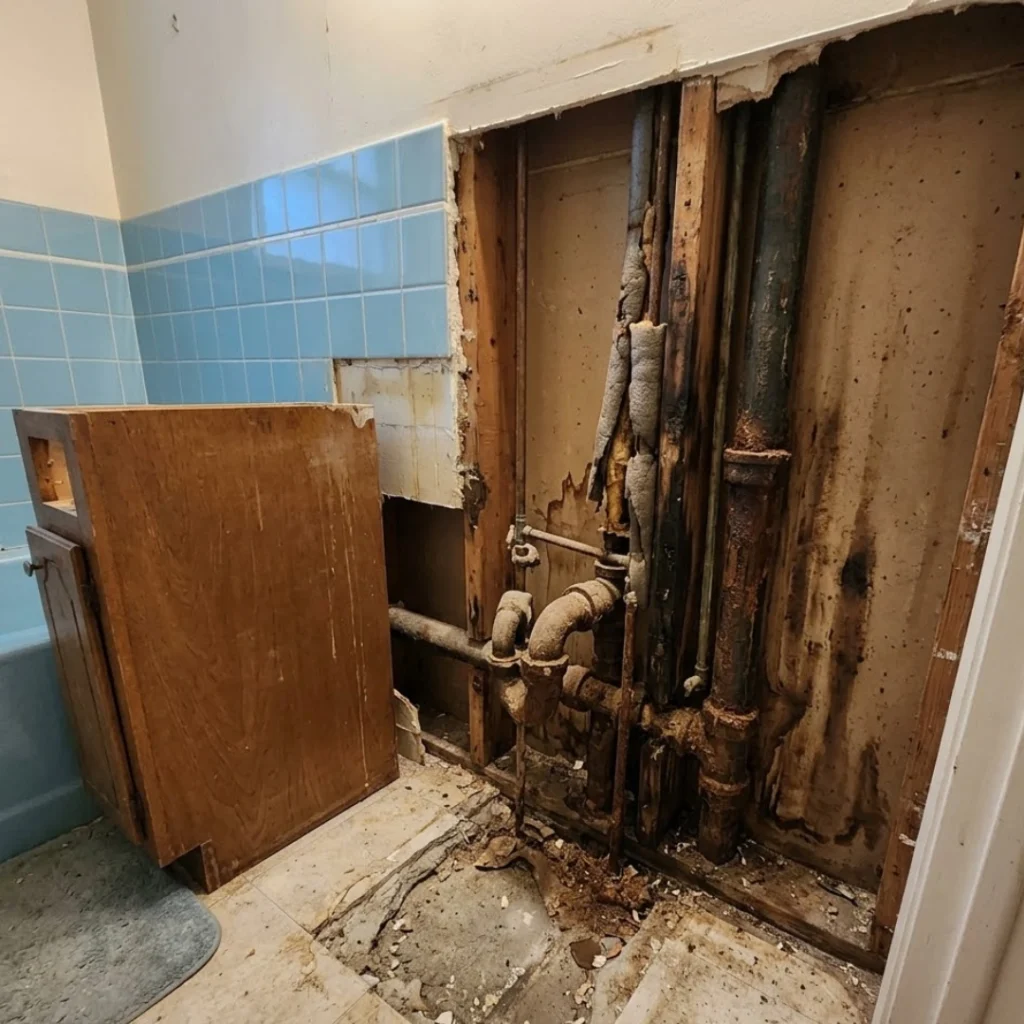
Older Bathrooms May Need More Than Tile Replacement
Many London properties contain bathrooms that are over 15 or 20 years old. While replacing tiles may improve appearance temporarily, ageing plumbing and ventilation systems may still continue causing problems.
According to Water UK, older plumbing systems are more vulnerable to corrosion, leakage, and reduced efficiency over time.
If your bathroom also suffers from:
- Low water pressure
- Recurring mould
- Slow drainage
- Damp smells
- Frequent repairs
then a full bathroom refurbishment London project may provide better long-term value than replacing tiles alone.
Partial upgrades sometimes delay rather than solve major maintenance issues.
Waterproofing Is One of the Biggest Concerns
Bathroom tiles themselves are not fully waterproof. The waterproofing system behind the tiles is what protects walls and floors from moisture damage.
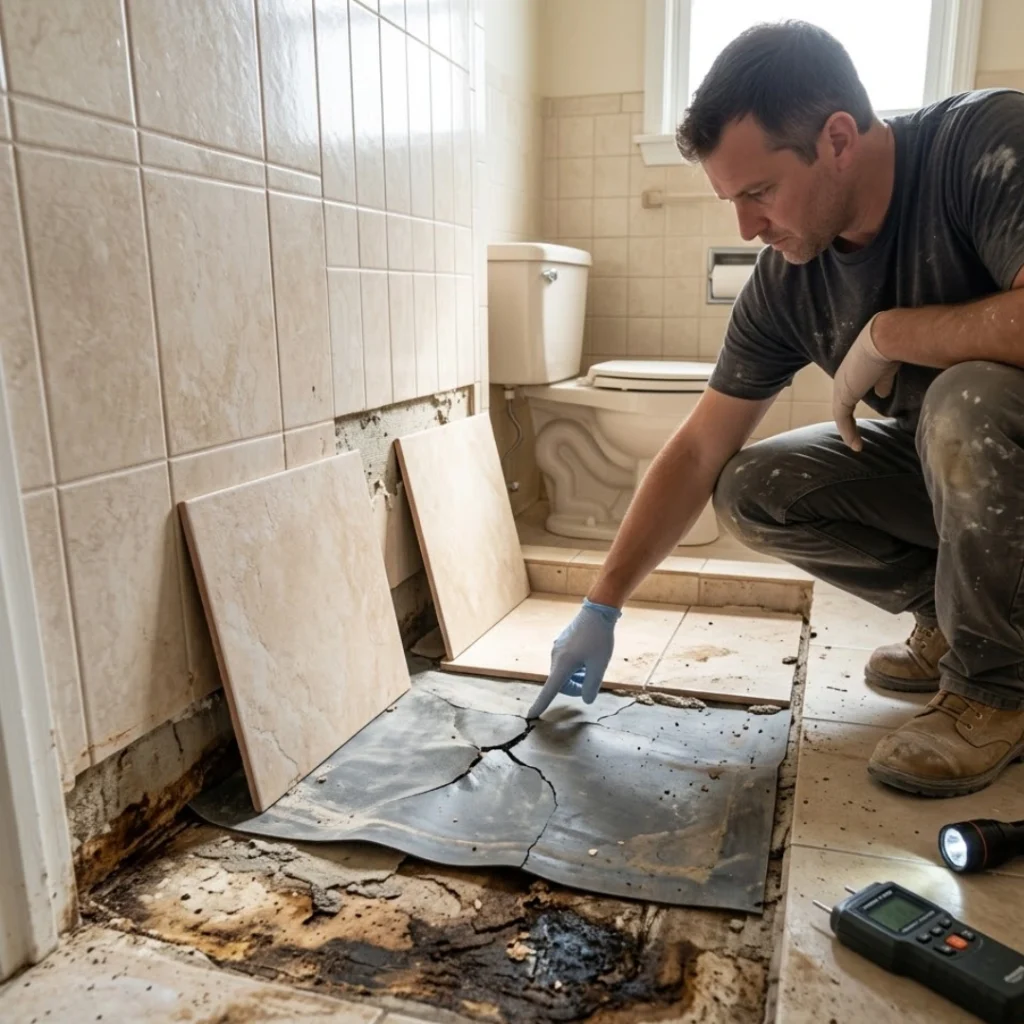
During tile replacement, professionals often discover:
- Failed waterproof membranes
- Damp plasterboard
- Rotting timber
- Mould behind walls
According to the Chartered Institute of Plumbing and Heating Engineering (CIPHE), poor bathroom waterproofing is a major contributor to hidden water damage in residential properties.
If waterproofing has already failed, simply installing new tiles may not prevent ongoing moisture issues.
In these situations, a more extensive bathroom refurbishment London approach is often the safer solution.
Replacing Tiles Can Still Improve Safety
Not all tile replacement projects are cosmetic.
Damaged floor tiles can create trip hazards, especially in family homes or properties with elderly occupants. Loose wall tiles may also become dangerous over time if adhesive failure occurs.
The Royal Society for the Prevention of Accidents (RoSPA) reports that slips, trips, and falls remain among the most common causes of home injuries in the UK.
Replacing damaged tiles early can help improve bathroom safety and prevent more serious problems later.
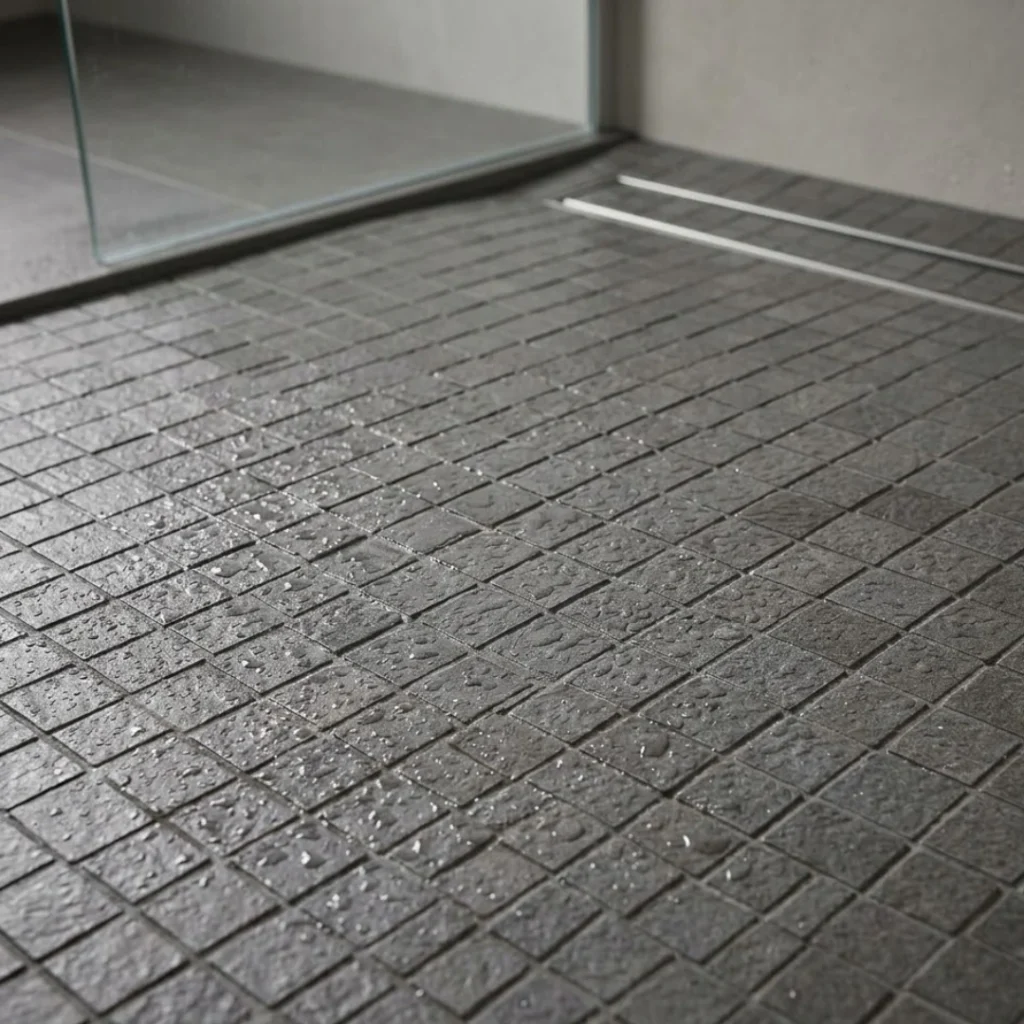
Labour Costs Can Sometimes Overlap With Full Refurbishment
One reason homeowners choose tile-only upgrades is to reduce costs. However, tile replacement can still involve substantial labour depending on the condition of the bathroom.
Removing old tiles often requires:
- Surface preparation
- Wall repairs
- Flooring adjustments
- Waterproofing inspection
- Waste removal
In some cases, the labour cost difference between replacing tiles and completing a broader renovation may be smaller than expected.
This is particularly true in older London properties where hidden issues are commonly discovered once work begins.
For this reason, homeowners should compare short-term savings against long-term maintenance costs before making a decision.
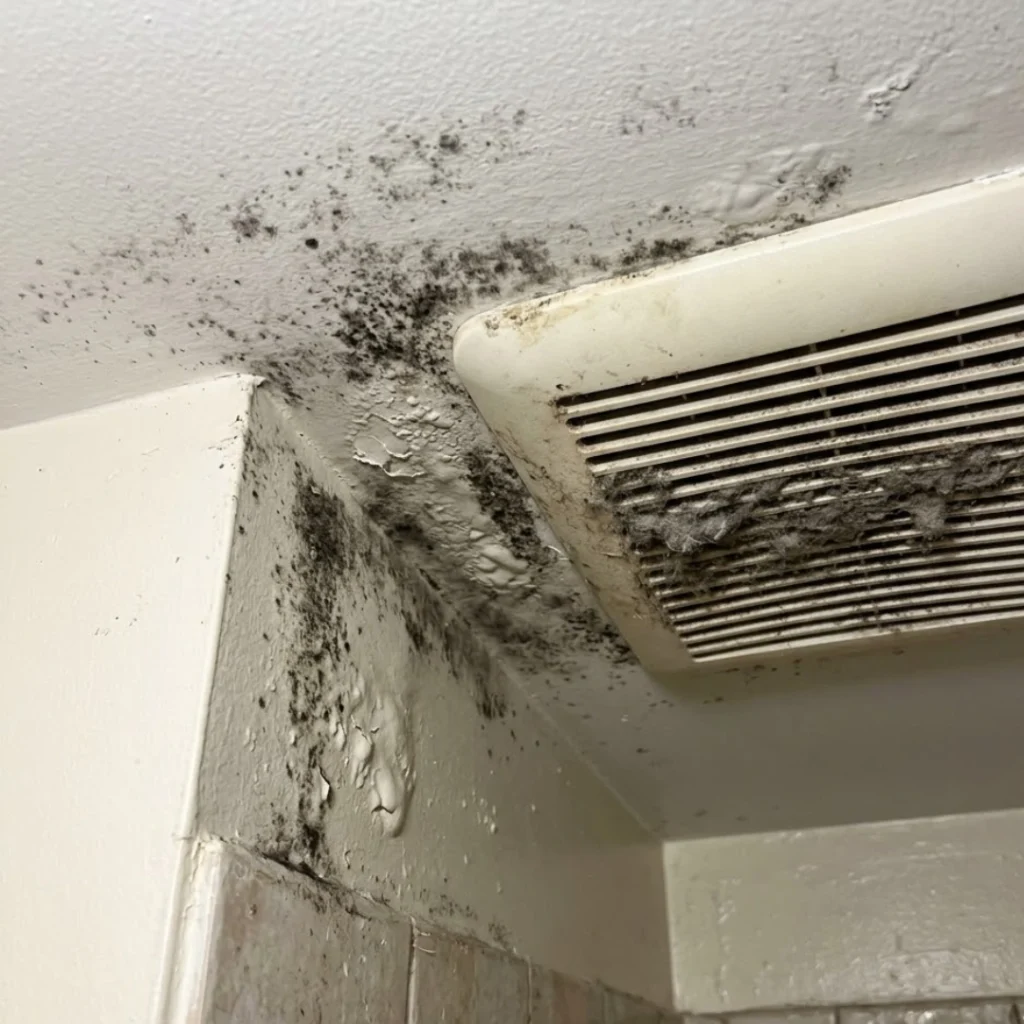
Ventilation Problems Should Never Be Ignored
Many bathrooms that require tile replacement also suffer from ventilation issues.
Poor airflow allows moisture to build up behind tiles and inside walls. Over time, this can weaken adhesive materials, damage grout, and encourage mould growth.
The UK Health Security Agency warns that persistent damp and mould can affect indoor air quality and respiratory health.
If condensation regularly builds up in your bathroom, replacing tiles alone may not solve the problem unless ventilation performance is also improved.
How Professionals Decide Whether Full Refurbishment Is Necessary
An experienced contractor will usually assess several factors before recommending tile replacement or full refurbishment.
This includes checking:
- Moisture levels
- Plumbing condition
- Ventilation performance
- Structural movement
- Waterproofing integrity
- Age of the bathroom
At CG Bathrooms Limited, bathroom professionals understand that some bathrooms only require targeted improvements, while others benefit more from a complete refurbishment approach.
A proper inspection helps homeowners avoid unnecessary costs while preventing larger issues from being missed.
Is Replacing Bathroom Tiles the Right Choice for Your Home?
If your bathroom is otherwise functioning well and tile damage is only surface-level, replacing tiles may be a worthwhile investment.
However, if your bathroom has recurring leaks, damp issues, ageing plumbing, or hidden structural concerns, partial upgrades may only provide temporary results.
Before starting any renovation work, it is always worth asking whether the visible tile damage is the real problem — or simply a sign of something more serious happening underneath.
Frequently Asked Questions
1. Is it worth replacing bathroom tiles without a full refurbishment?
Yes, in some cases. If the plumbing, waterproofing, ventilation, and overall bathroom condition are still good, replacing damaged tiles can improve safety and extend the bathroom’s lifespan without a full renovation.
2. How do I know if my bathroom needs more than new tiles?
If you notice recurring leaks, mould growth, low water pressure, damp smells, loose flooring, or drainage issues, there may be hidden structural or plumbing problems that require a full bathroom refurbishment London service.
3. Can cracked bathroom tiles indicate hidden damage?
Yes. Cracked or loose tiles can sometimes indicate moisture damage, failing waterproofing, subfloor movement, or hidden plumbing leaks behind walls or beneath floors.
4. Will replacing bathroom tiles stop mould problems?
Not always. If mould is caused by poor ventilation or hidden moisture behind walls, replacing tiles alone may not solve the issue. The underlying cause must also be addressed.
5. How long does bathroom tile replacement usually take?
Most bathroom tile replacement projects take a few days to a week depending on the bathroom size, tile removal requirements, wall preparation, and any hidden repairs discovered during the work.
6. Is replacing bathroom tiles cheaper than full refurbishment?
Tile replacement is usually less expensive initially, but if deeper plumbing or waterproofing issues exist, repeated repairs may become more costly long term compared to a full refurbishment.
7. Can old waterproofing fail behind bathroom tiles?
Yes. Waterproofing systems can deteriorate over time, especially in older bathrooms. Failed waterproofing can allow hidden moisture damage behind walls and floors.
8. Should I inspect plumbing before replacing bathroom tiles?
Yes. Professional inspections help identify hidden leaks, ageing pipework, and moisture problems before new tiles are installed, helping prevent future damage.
9. Is tile replacement suitable for older London bathrooms?
It depends on the condition of the bathroom. Older London properties often have ageing plumbing, ventilation issues, and moisture damage that may require more extensive refurbishment work.
10. Why should professionals replace bathroom tiles?
Professional installers can safely remove old tiles, inspect hidden surfaces, assess waterproofing, and ensure proper installation standards that reduce future maintenance problems.