
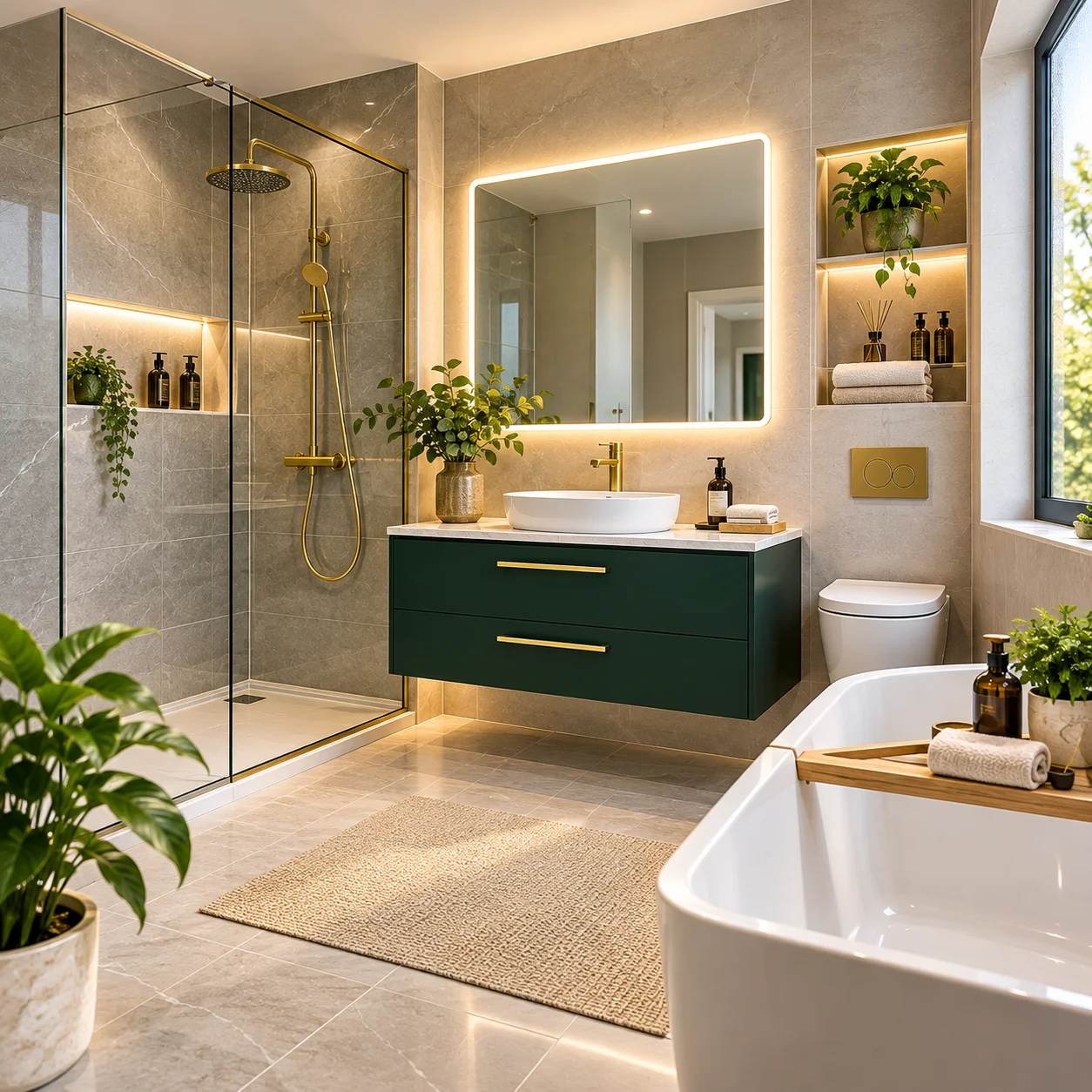
New Bathroom in Clapham: 7 Choices That Can Save You Money When Planning Your Renovation
Planning a new bathroom in Clapham does not have to mean spending more than you can afford. With the right choices, you can create a stylish, practical space while keeping your renovation budget under control. The secret is knowing where to save, what deserves your investment, and which expensive mistakes to avoid.
Whether you are updating a small bathroom or replacing an outdated suite, these seven choices can help you get better value for your money.
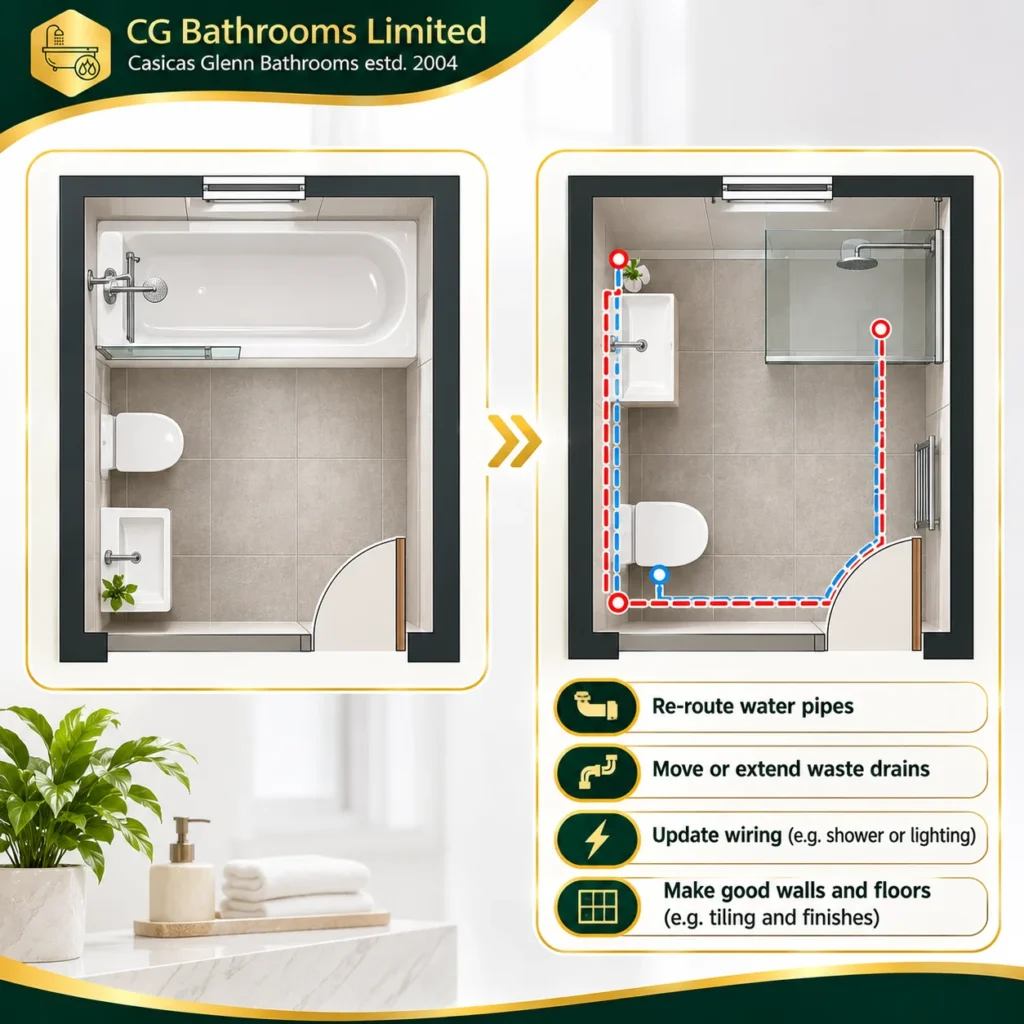
1. Keep the Existing Plumbing in Place
Moving a toilet, shower or basin can increase labour costs because the work may involve changing water supply pipes, waste pipes and floor coverings. Keeping these fixtures close to their existing positions can make your renovation simpler and more affordable.
For example, replacing an old shower with a new model in the same location may cost less than moving it to the opposite wall. However, the existing pipework must still be checked to make sure it is suitable for the new fittings.
Money-saving tip: Ask your installer to compare the cost of keeping the current layout with the cost of changing it before making a final decision.
2. Choose Affordable Tiles Wisely
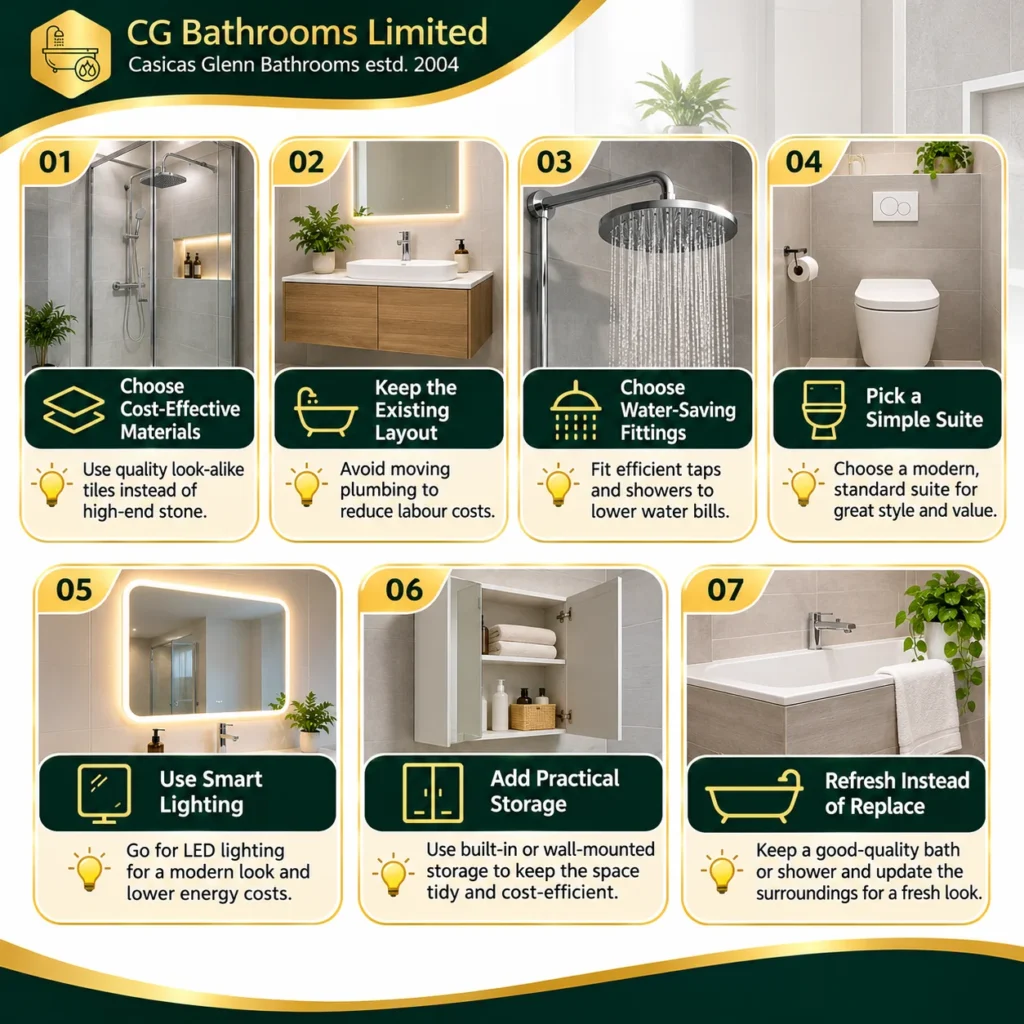
Tiles can make a big difference to your bathroom’s appearance, but premium materials are not always necessary. Ceramic tiles are often an affordable option for walls, while porcelain tiles are generally denser and absorb less water. Both can work well when selected and installed correctly.
You can also save money by tiling only the areas that need protection, such as the shower enclosure and splashback, instead of covering every wall from floor to ceiling.
For a new bathroom in Clapham, consider using a simple, affordable tile across most surfaces and a more decorative design in one small area. This creates a feature without the expense of buying specialist tiles for the entire room.
3. Invest in Fixtures That Offer Good Value
The cheapest bathroom fittings may seem attractive at first, but poor-quality products can lead to repairs or early replacement. Instead, compare the total cost, expected lifespan, warranty and ease of maintenance before buying.
Bathroom item | Cost-conscious choice | Why it helps |
Toilet | Standard close-coupled model | Usually simpler to source and maintain |
Basin | Compact ceramic basin | Saves space and may cost less |
Shower | Standard shower enclosure | Avoids expensive custom glass |
Taps | Quality standard fittings | Replacement parts may be easier to find |
Storage | Wall-mounted cabinet | Uses space efficiently |
You do not need luxury fittings throughout the room. Spend more on items that receive frequent use, such as shower controls and taps, and save on decorative accessories that are easy to change later.
4. Make a Small Bathroom Feel Bigger
A small bathroom does not need an expensive extension to feel comfortable. Smart design choices can make the available space easier to use without major building work.
A wall-mounted basin, a mirrored cabinet and a clear glass shower screen can help the room feel more open. Sliding or outward-opening doors may also improve access where the layout permits.
Choose a consistent colour scheme and avoid filling every corner with furniture. Before buying anything, measure the room and check that doors, drawers and shower screens can open freely.
Expert tip: A well-planned compact bathroom can be more useful than a larger room with a poor layout. Focus on comfortable movement and practical storage rather than simply adding more fittings.
5. Refinish Before Replacing
Not every old bathroom fitting needs to be removed. If your existing bath is structurally sound, professional refinishing may be worth considering. Similarly, a usable vanity unit may only need new handles, a fresh finish or a replacement worktop.
However, refinishing is not suitable for every surface. Cracked baths, persistent leaks, damaged substrates and serious corrosion may require replacement. Covering a problem without fixing its cause can lead to greater expense later.
When planning a bathroom renovation London homeowners should compare repair and replacement costs before deciding. Ask for a clear explanation of what can be reused safely and what needs attention.
6. Plan Lighting and Ventilation Properly
Lighting and ventilation affect how comfortable your bathroom feels and how well it lasts. A mirror light can improve visibility, while layered lighting can make the room more welcoming without requiring costly decorative fittings.
Good ventilation is equally important. The UK government’s guidance on approved building regulations includes requirements relating to ventilation, and electrical work in bathrooms must account for the risks associated with water and moisture.
Choose suitable bathroom-rated electrical fittings and use a qualified professional where required. A properly planned extractor fan can help reduce condensation, mould and moisture damage, potentially preventing future repair costs.
7. Set a Realistic Budget and Avoid Changes
One of the most effective ways to control renovation costs is to finalise your choices before work begins. Late decisions about tiles, taps, shower screens or fixture positions can lead to extra labour, delivery charges and wasted materials.
Request an itemised quotation that separates labour, materials, waste removal and any additional work. Check whether the price includes removing the old bathroom, preparing surfaces, waterproofing, plumbing, electrical work and finishing.
Keep a contingency fund for unexpected problems, such as hidden leaks or damaged flooring. The amount you need will depend on the age and condition of the property, so discuss a suitable allowance with your installer.
Before approving the work, make sure you understand the payment schedule, expected completion time and how variations will be priced.
Planning Your Bathroom Renovation
Which part of your bathroom would you most like to improve: the shower, the storage, the overall design or the amount you spend?
Share your plans with CG Bathrooms Limited to explore options for creating a practical bathroom that suits your home and budget.
Frequently Asked Questions
1. How can I save money on a new bathroom in Clapham?
Keep the existing plumbing layout where practical, compare fixture prices and choose affordable tiles for larger areas. Planning your design before work starts can also help prevent costly changes.
2. What is the cheapest way to renovate a bathroom?
Keeping sound fittings and replacing only damaged or outdated items can reduce costs. The best approach depends on the condition of your bathroom and whether plumbing, waterproofing or electrical work needs attention.
3. Is it cheaper to keep the same bathroom layout?
In many cases, yes. Keeping the toilet, basin and shower near their existing connections can reduce plumbing changes and labour, although the condition of the current pipework must be checked.
4. Are ceramic tiles cheaper than porcelain tiles?
Ceramic tiles are often less expensive, but prices vary by design, size and quality. Compare the purchase price alongside installation costs, durability and suitability for the area.
5. Can I renovate a small bathroom on a budget?
Yes. Compact fittings, mirrored storage, a clear shower screen and a simple colour scheme can improve a small bathroom without major structural changes. Careful measurements help prevent unnecessary purchases.
6. Should I repair or replace my existing bathtub?
Repairing or refinishing a sound bath may cost less than replacing it. If it has significant cracks, leaks or structural damage, replacement may be the safer long-term choice.
7. How much contingency should I allow for bathroom renovation?
There is no single amount that suits every project. Set aside a contingency based on the property’s age, the amount of hidden pipework and the likelihood of unexpected repairs, and agree on how extra work will be approved.
8. Do bathroom renovations require building regulations approval in London?
Some work may fall under building regulations, particularly changes involving drainage, ventilation, structural elements or electrical installations. Requirements depend on the work involved, so check the relevant guidance before starting.
9. How can I prevent mould in my new bathroom?
Use suitable ventilation, remove excess moisture and repair leaks promptly. Clean wet surfaces regularly and ensure that waterproofing and sealant are correctly installed and maintained.
10. Is it worth hiring a professional bathroom installer?
A professional can help coordinate plumbing, electrical work, tiling and finishing while identifying potential problems before they become expensive. Compare written quotations, relevant experience, insurance and the scope of work before choosing an installer.