
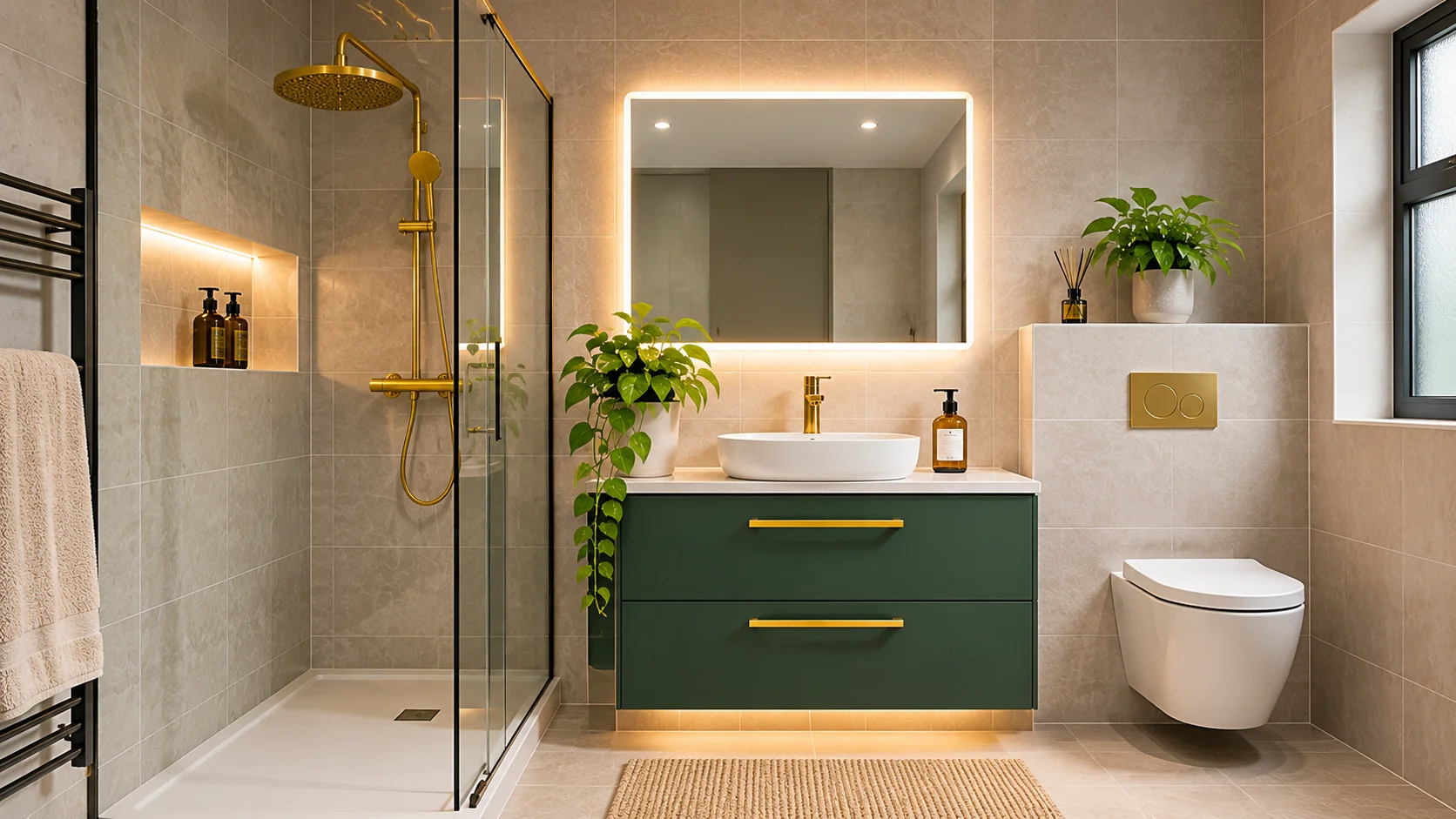
Can You Refurbish a Bathroom for £3,000? Bathroom Refurbishment Cost in Ealing Explained
If you are researching bathroom refurbishment costs in Ealing, you may be wondering whether £3,000 is enough to give your bathroom a fresh, modern look. The answer is yes, in some cases, but it depends on the work required. A simple refresh with affordable fittings may fit this budget, while a complete bathroom renovation with new plumbing, extensive tiling and labour could cost considerably more.
The good news is that you do not always need to replace everything to improve your bathroom. With careful planning, sensible material choices and a clear budget, you can make meaningful improvements without overspending.
Can £3,000 Cover a Bathroom Refurbishment in Ealing?
Yes, £3,000 can cover a limited bathroom refurbishment if the existing layout is suitable and major repairs are unnecessary. However, it is important to distinguish between refreshing an existing bathroom and completely replacing it.
According to Checkatrade’s 2026 bathroom renovation cost guide, a basic UK bathroom remodel can start at around £1,500, while the reported average is approximately £4,500. London prices can be higher, depending on labour, materials and the project’s complexity.
For context, a straightforward £3,000 project might include replacing selected fittings, refreshing the walls and improving the overall appearance. It is less likely to cover a complete refit with premium products and extensive building work.
What Could a £3,000 Budget Include?
Work required | Budget planning |
Replacing taps, shower fittings and selected accessories | Potentially affordable |
Updating paint, sealant and selected finishes | Usually budget-friendly |
Replacing a basic vanity unit or basin | Depends on product and installation costs |
Replacing a toilet and basin | Possible if plumbing remains unchanged |
Full refit with new suite, extensive tiling and plumbing changes | May exceed £3,000 |
These are planning examples, not fixed prices. Your final quote will depend on the bathroom’s condition, product choices and labour requirements.

What Affects Bathroom Refurbishment Cost Ealing Homeowners Should Expect?
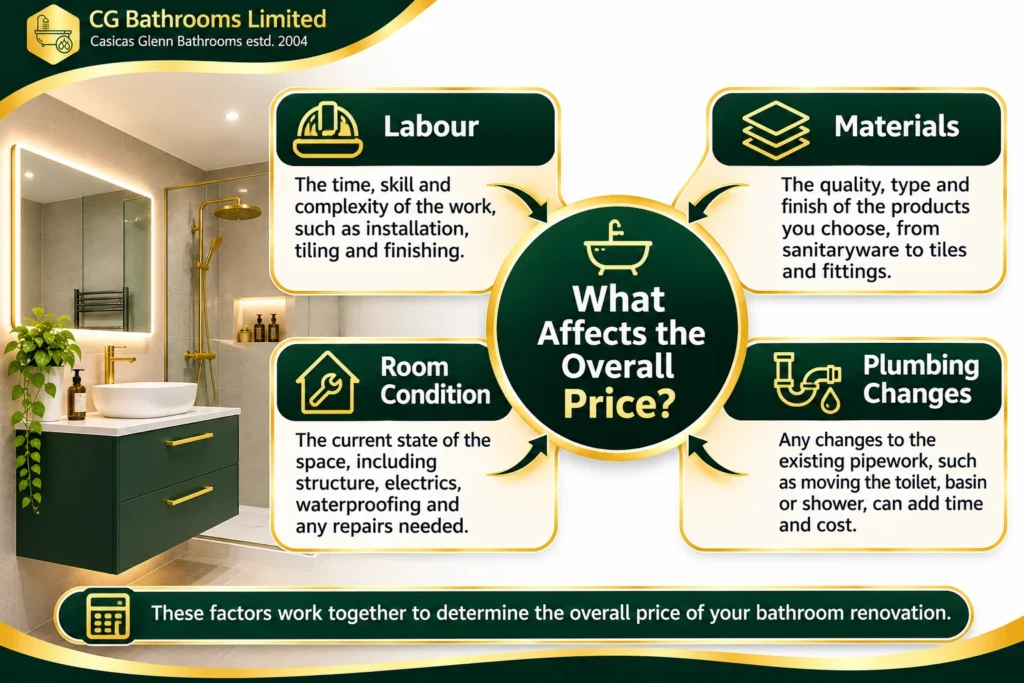
Several factors influence the final price. Understanding them before work begins can help you choose the right improvements.
1. Labour and Installation
Labour is often a major part of the total cost. Checkatrade’s June 2026 bathroom fitter guide reports typical fitting labour of £1,500–£3,000 for a complete bathroom installation. This is a UK guide rather than an Ealing-specific quote, but it shows why a £3,000 total budget can be restrictive.
Keeping the existing bath, toilet and basin in their current positions can reduce the need for plumbing alterations. Choosing standard fittings that are readily available can also help control installation time and costs.
2. Materials and Bathroom Fittings
Premium taps, designer sanitaryware, natural stone and intricate tiles can quickly increase spending. More affordable alternatives, such as standard ceramic tiles, simple vanity units and practical shower fittings, can still create an attractive result.
Focus on durability rather than appearance alone. Check product dimensions, cleaning requirements, warranties and compatibility with your existing plumbing before buying anything.
3. Bathroom Size and Condition
A compact bathroom may need fewer tiles and less flooring than a large family bathroom. However, even a small room can become expensive if it has damaged pipework, poor ventilation or water damage behind the walls.
A careful inspection before work starts can help identify likely problems and reduce unexpected spending.

How to Make £3,000 Go Further
The most effective way to manage your budget is to decide which improvements matter most before choosing products.
Keep the Existing Layout
Moving a toilet, bath or shower may involve changes to water supplies, waste pipes and surrounding finishes. Keeping these items in place can reduce both labour and disruption.
If your bathroom functions well but looks dated, consider replacing worn taps, updating the vanity unit and improving the finishes instead of starting from scratch.
Refresh Before Replacing
Not every fitting needs to be removed. If the bath or shower tray is in good condition, professional cleaning, suitable resealing or replacing damaged fittings may be enough.
Old tiles can sometimes be cleaned or repaired rather than replaced. However, do not cover loose tiles, persistent damp or failed waterproofing simply to save money. These problems need proper attention.
Choose a Simple, Consistent Design
Use a small range of colours and materials to create a tidy, coordinated appearance. Neutral tiles, a well-sized mirror and good lighting can improve the room without requiring expensive decorative features.
Compare the total cost of each option, including delivery, installation materials and waste removal. A cheap product may not be the cheapest choice once all additional costs are included.
Hidden Costs and Safety Considerations
The initial estimate is not always the final bill. Old bathrooms may conceal leaking pipes, damaged flooring, mould or inadequate ventilation. Repairing these issues can increase costs, so avoid spending the entire budget on visible finishes before checking the room’s condition.
Ask whether your quote includes removing the old bathroom, disposing of waste, preparing walls and floors, fitting accessories and making good any damage caused during installation.
Electrical work also deserves attention. In England, bathroom electrical installations must meet the relevant requirements of Part P of the Building Regulations. The UK Government’s building regulations guidance explains when approval may be required. The Planning Portal’s bathroom guidance also explains that ordinary refitting does not generally require approval, although certain electrical and drainage work may.
Do not compromise on safe electrical work, suitable waterproofing or effective ventilation to meet a target price. If you uncover damp or damaged pipework, ask for a clear explanation and an itemised repair cost before approving additional work.
How to Plan Your Bathroom Refurbishment
Start by listing what must be repaired and what you would simply like to improve. Decide on your maximum spending limit, then obtain itemised quotes based on the same work specification.
Keep a contingency for unexpected repairs instead of committing every pound to fixtures and decoration. The amount needed will depend on the room’s condition, but the important point is to agree how extra work will be priced before it begins.
When comparing bathroom refurbishment London providers, check their experience, insurance, references and written scope of work. Ask who will handle plumbing and electrical tasks, what products are included and how long your bathroom will be out of use.
What would you most like to change in your Ealing bathroom, and is your £3,000 budget intended for a simple refresh or a complete refit?
Frequently Asked Questions
1. Is £3,000 enough to refurbish a bathroom in Ealing?
Yes, £3,000 may be enough for a basic refurbishment if the existing bathroom is in good condition. A complete refit involving new plumbing, extensive tiling and premium fittings is more likely to require a larger budget.
2. What is the average bathroom refurbishment cost in Ealing?
There is no single verified average specifically for Ealing. UK cost guides suggest a basic remodel can start around £1,500, while more extensive projects cost considerably more, and London labour and material choices can increase the final price.
3. What is the cheapest way to update a bathroom?
Keep the existing layout and replace only worn or outdated items. Refreshing the paint, renewing suitable sealant, changing taps and improving storage can make a noticeable difference without the cost of a complete refit.
4. Does bathroom refurbishment include plumbing?
That depends on the contractor’s quote and the agreed work. Ask whether it covers plumbing alterations, connecting new fittings, repairing leaks and any necessary pipe replacements.
5. How much does bathroom fitting labour cost in London?
Labour costs depend on the project’s size and complexity. Checkatrade’s 2026 guide gives a typical UK range of £1,500–£3,000 for complete bathroom fitting labour, but your own quote may differ.
6. Can I keep my existing bathroom tiles to save money?
Yes, if the tiles are secure, undamaged and suitable for continued use. Loose tiles, persistent damp or failed waterproofing should be investigated before deciding to retain them.
7. What unexpected costs can arise during bathroom refurbishment?
Common surprises include leaking pipes, damaged flooring, damp, additional plastering and electrical upgrades. Ask for a written process for approving extra work before the refurbishment begins.
8. Do I need building regulations approval for bathroom refurbishment?
Not every bathroom refit requires approval. However, certain electrical, drainage or other building work may fall under the relevant regulations, so check the requirements for your specific project before starting.
9. How can I compare bathroom refurbishment quotes fairly?
Give each contractor the same list of required work and compare labour, materials, waste removal, VAT where applicable and repair allowances. A lower quote may exclude important tasks that another contractor has included.
10. Is it cheaper to refurbish a bathroom or install a new one?
Refurbishing an existing bathroom is often cheaper when the layout, plumbing and main fixtures remain usable. A complete replacement may be necessary when fittings are damaged or the room needs substantial changes.