
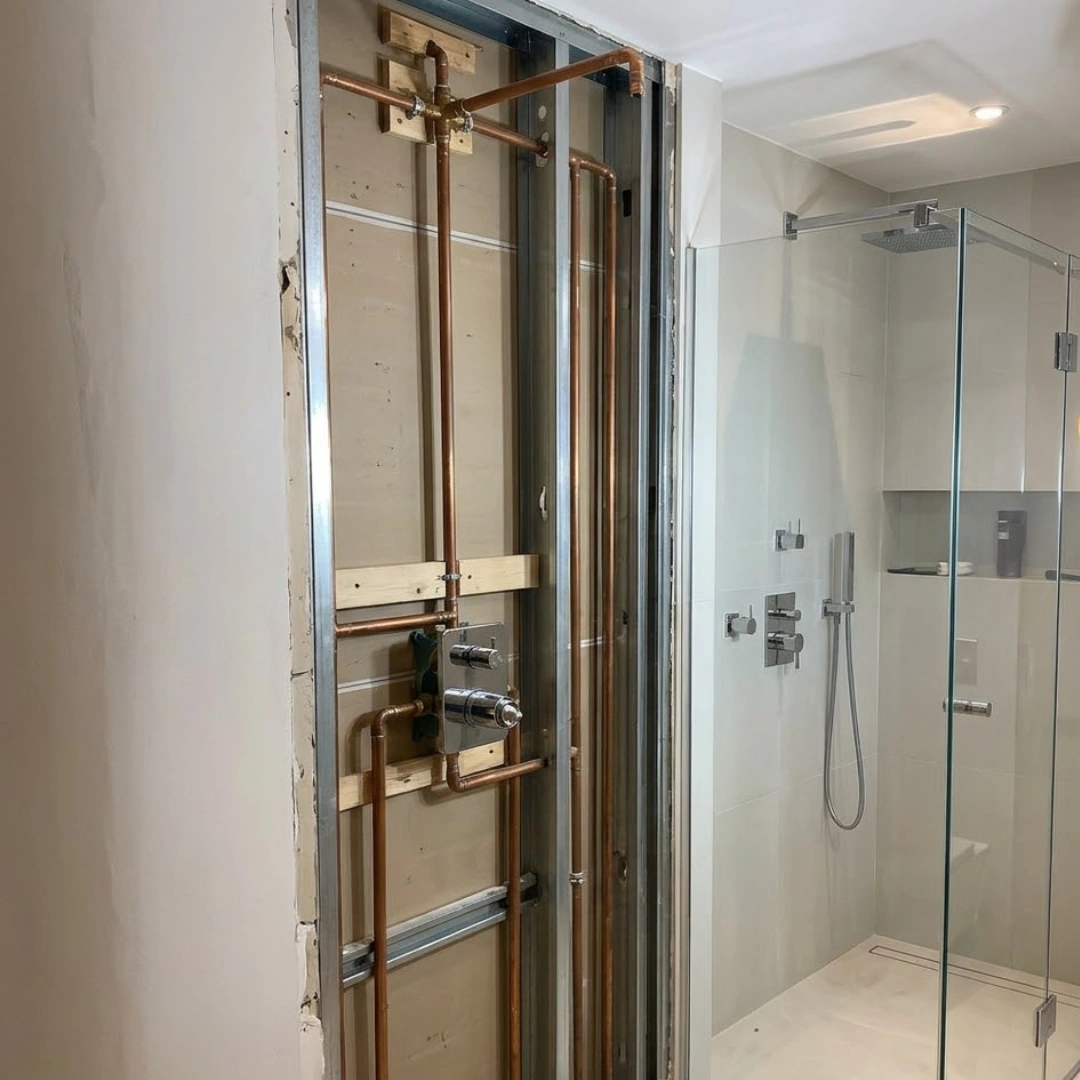
New Bathroom Suite Installation London: Choosing Fixtures & Fittings
Planning a new bathroom suite installation London project involves far more than simply choosing a bath, toilet, or basin. The fixtures and fittings you select directly affect the bathroom’s functionality, water efficiency, durability, maintenance needs, and long-term performance.
Many London homeowners focus only on appearance during renovations, but poor-quality fittings or incorrect installation choices can lead to expensive plumbing problems, leaks, and unnecessary repairs later. According to the Association of British Insurers (ABI), escape of water claims remain one of the most common causes of household insurance claims across the UK.
Whether you are replacing an aging bathroom or planning a complete bathroom installation London project, choosing the right fixtures and fittings can help improve reliability, efficiency, and everyday comfort for years to come.
Why Bathroom Fixtures Matter More Than Most Homeowners Realise
Bathroom fixtures are used every single day. Over time, poor-quality products or badly matched fittings can quickly develop issues such as:
- Leaks
- Water pressure problems
- Corrosion
- Drainage issues
- Loose fittings
- Increased maintenance costs
Research from Water UK highlights that household water efficiency and plumbing reliability have become increasingly important due to rising water demand and ageing infrastructure across the UK.
Choosing durable and properly installed bathroom components helps reduce future maintenance while improving long-term performance.
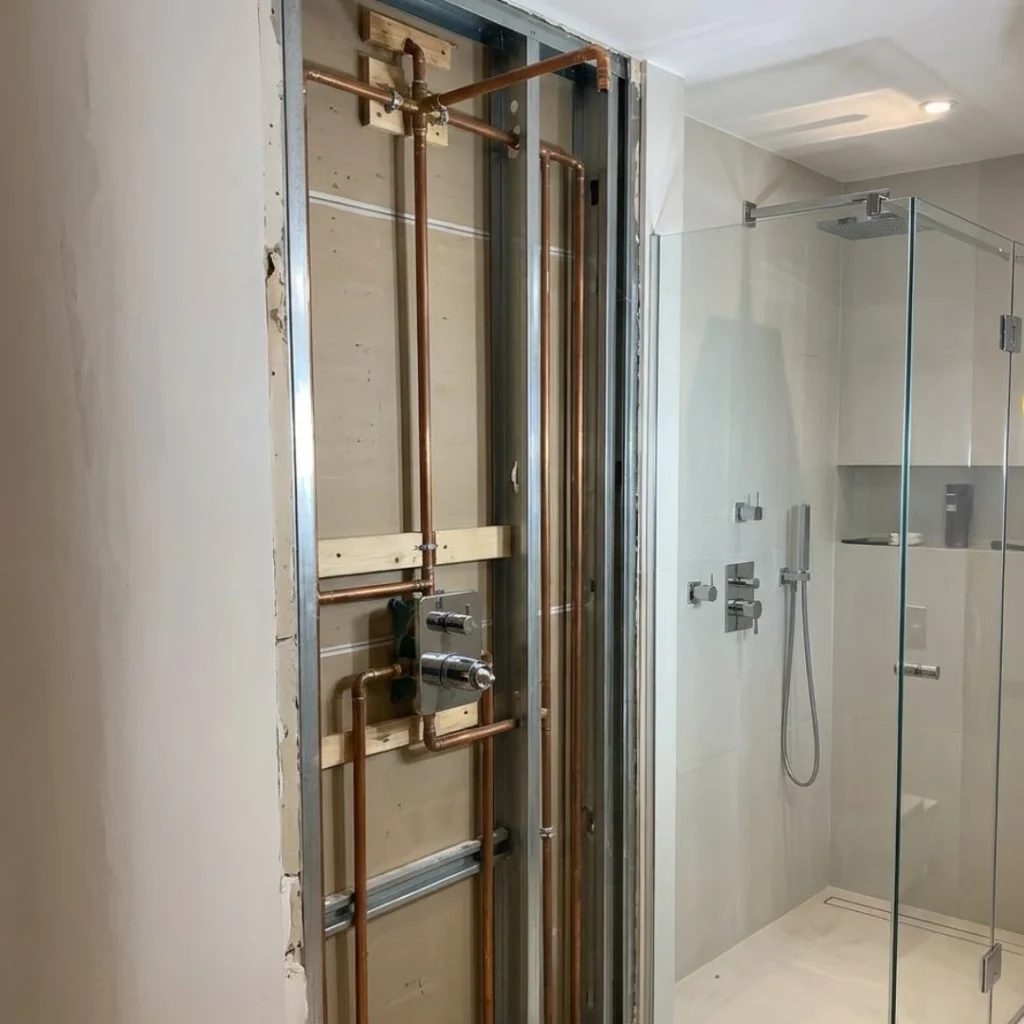
Start With Plumbing Compatibility
One of the biggest mistakes during a new bathroom suite installation London project is selecting fixtures before checking whether the existing plumbing system can properly support them.
Older London homes often have:
- Low water pressure
- Outdated pipework
- Limited drainage capacity
- Older waste systems
For example, some modern showers and taps require higher water pressure than older plumbing systems can provide efficiently.
Before choosing fixtures, professional installers should assess:
- Water pressure levels
- Pipe condition
- Waste pipe positioning
- Drainage performance
- Boiler compatibility
According to the Chartered Institute of Plumbing and Heating Engineering (CIPHE), poor plumbing compatibility is one of the leading causes of bathroom performance issues after installation.
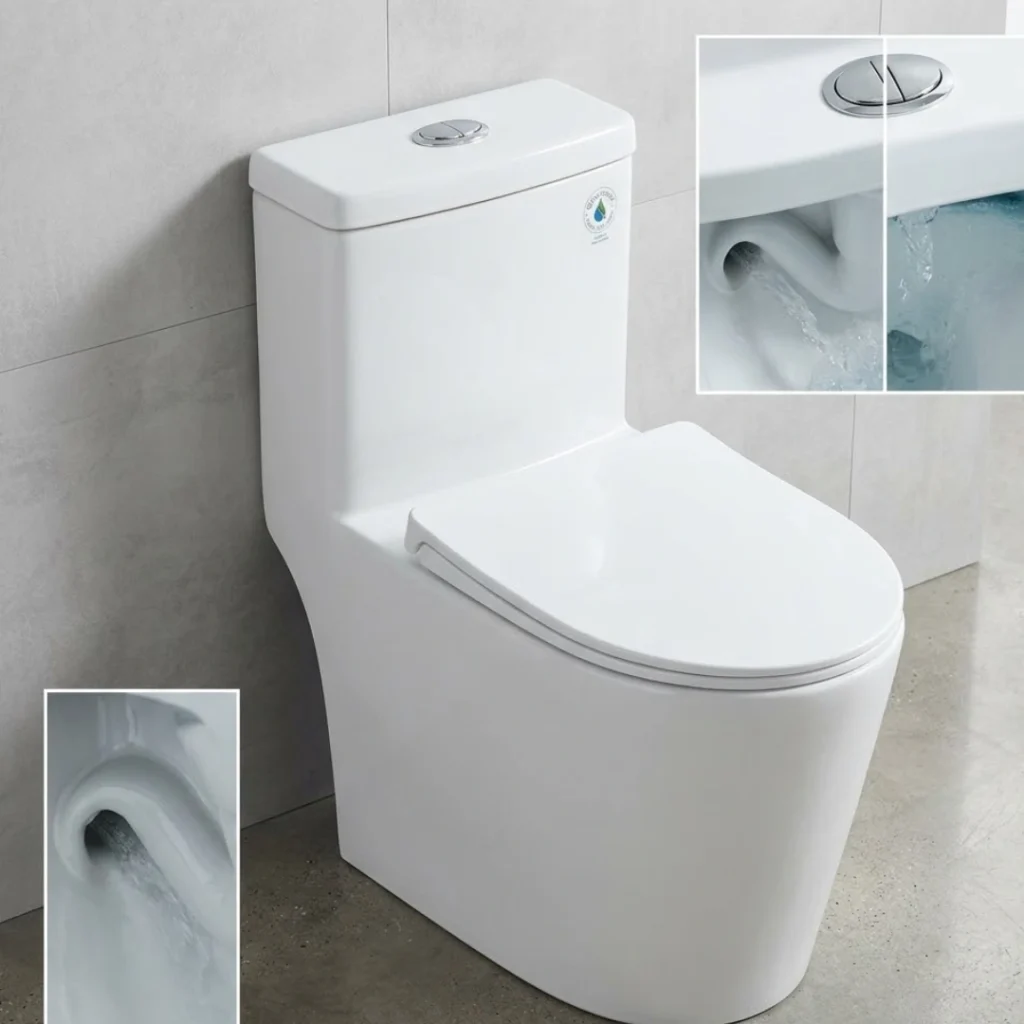
Toilets: Performance and Water Efficiency Matter
Modern toilets are significantly more water efficient than older systems.
The Energy Saving Trust states that upgrading to efficient bathroom fixtures can help reduce household water usage and lower utility bills over time.
When choosing toilets for a bathroom installation London project, homeowners should consider:
- Flush efficiency
- Water consumption
- Reliability of internal mechanisms
- Ease of maintenance
- Available space
A poorly performing toilet can lead to recurring blockages and higher maintenance costs. Professional installers often recommend selecting proven, durable models that suit the household’s daily usage needs.
Baths and Showers Should Match Household Needs
Not every bathroom requires the same setup.
Some homeowners prioritise quick daily shower use, while others prefer bath functionality for families or relaxation. The right choice depends on:
- Available space
- Water pressure
- Household size
- Usage habits
- Existing plumbing systems
According to Ofwat, the average person in England and Wales uses approximately 142 litres of water per day, with bathrooms accounting for a significant portion of household consumption.
Efficient shower systems and properly selected fittings can help reduce water waste without affecting usability.
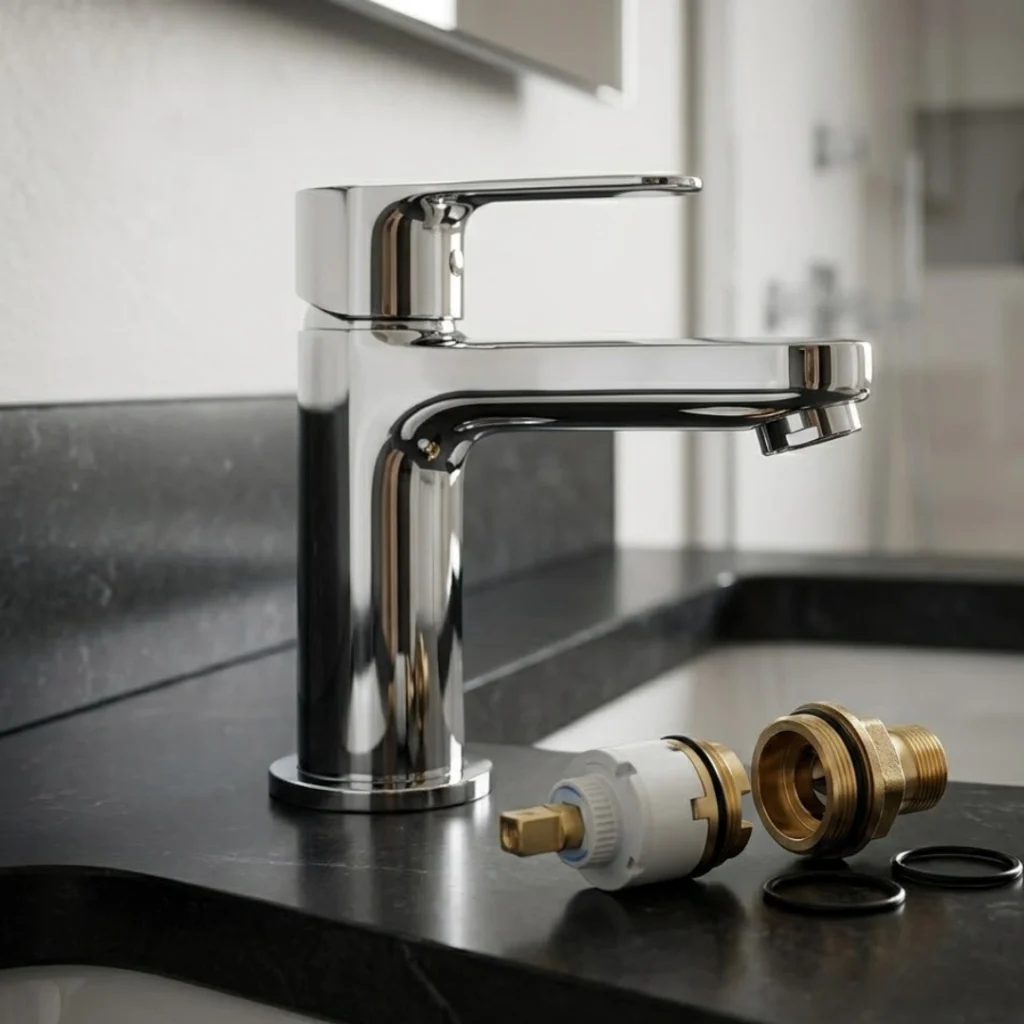
Taps and Valves Affect Long-Term Reliability
Taps are one of the most frequently used fixtures in any bathroom.
Low-quality fittings may initially appear cost-effective, but they often develop leaks, stiffness, or corrosion much sooner than higher-quality alternatives.
When selecting taps and valves, experienced bathroom professionals consider:
- Water pressure compatibility
- Cartridge quality
- Ease of maintenance
- Corrosion resistance
- Long-term durability
Poorly matched taps can also create inconsistent water flow and temperature problems, particularly in older London properties.
A professional new bathroom suite installation London project should always prioritise reliability alongside appearance.
Ventilation Should Never Be an Afterthought
Many homeowners focus heavily on fixtures while overlooking ventilation systems.
Poor ventilation contributes to:
- Mould growth
- Damp patches
- Peeling paint
- Condensation damage
- Shortened fixture lifespan
The UK Health Security Agency warns that persistent damp and mould can negatively impact indoor air quality and respiratory health.
During a bathroom installation London project, proper extractor systems and airflow planning help protect both fixtures and surrounding building materials from long-term moisture damage.
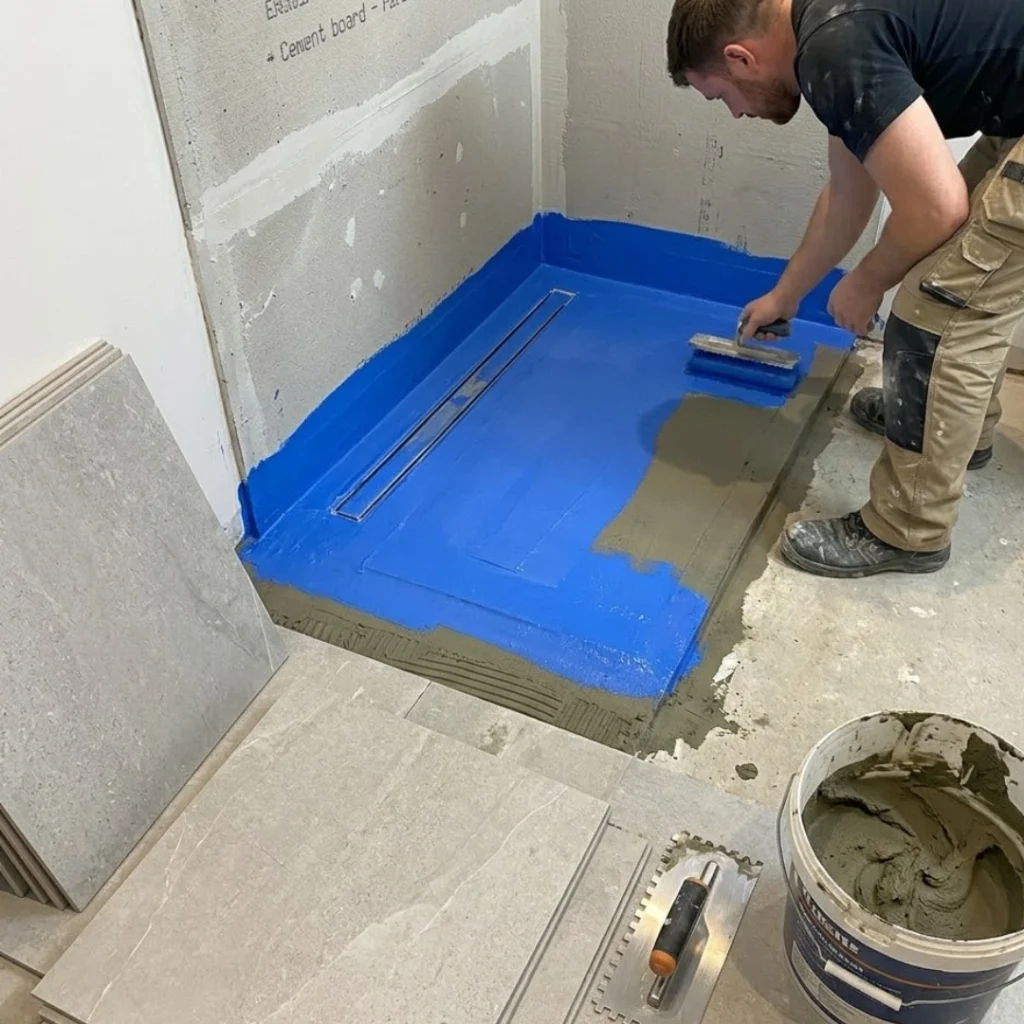
Flooring and Waterproofing Influence Installation Quality
Even the best fixtures will eventually fail if waterproofing and floor preparation are not completed correctly.
According to the UK Centre for Moisture in Buildings, hidden moisture problems are a major contributor to structural deterioration in residential properties.
Professional bathroom installation should include:
- Proper waterproofing checks
- Secure floor preparation
- Moisture-resistant materials
- Correct sealing around fixtures
Ignoring these elements may lead to:
- Tile lifting
- Water penetration
- Structural decay
- Mould growth
Waterproofing quality is just as important as the visible fixtures themselves.
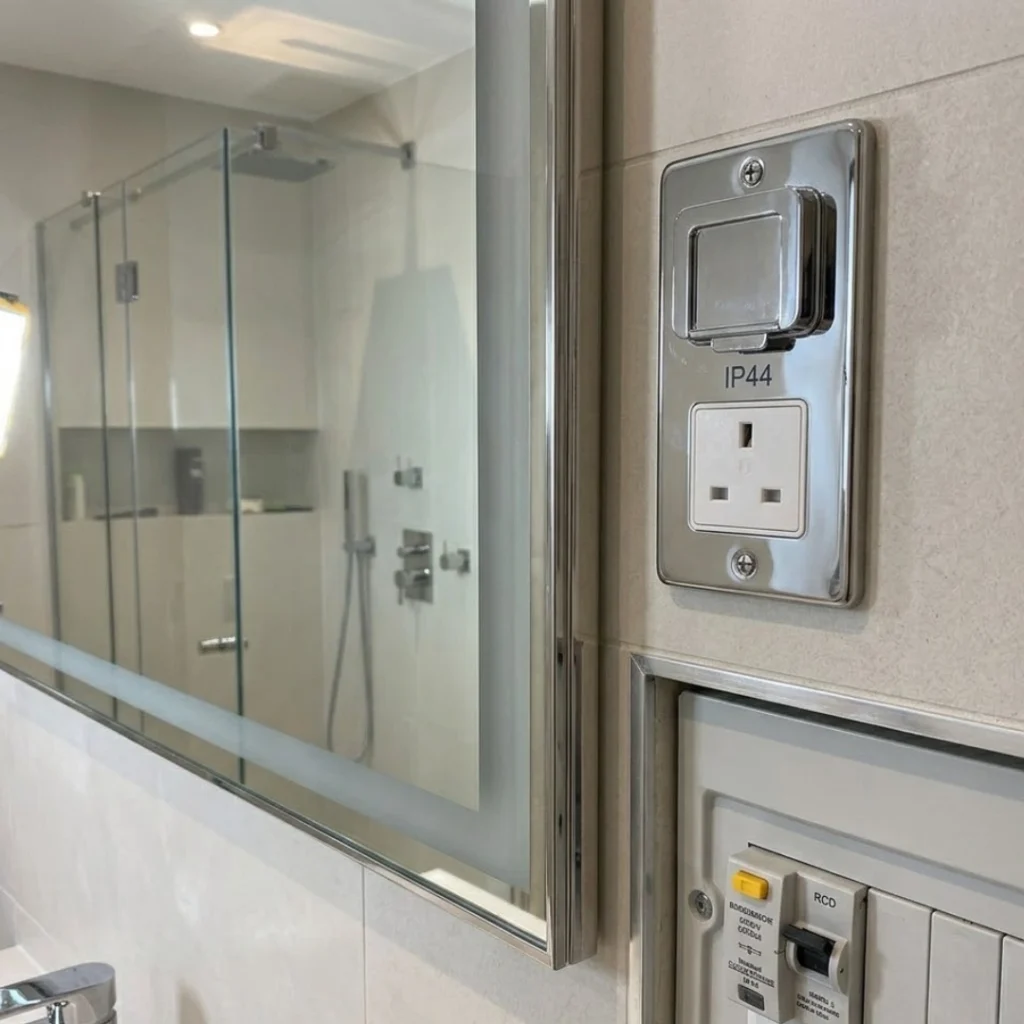
Electrical Safety Is Essential in Bathroom Installations
Modern bathrooms often include:
- Electric showers
- Lighting systems
- Extractor fans
- Heated towel rails
Bathrooms are classified as high-risk moisture environments, which means electrical work must comply with strict UK safety standards.
Electrical Safety First advises that all bathroom electrical installations should be completed by qualified professionals to reduce the risk of accidents or electrical hazards.
During a new bathroom suite installation London project, safe electrical planning should always be prioritised alongside plumbing and waterproofing.
Why Professional Installation Makes a Major Difference
Even high-quality bathroom fixtures can fail prematurely if installation standards are poor.
Professional installation helps ensure:
- Correct pipe connections
- Leak prevention
- Proper sealing
- Safe electrical integration
- Reliable drainage
- Long-term durability
At CG Bathrooms Limited, homeowners across London often prioritise experienced installation teams who understand the technical demands involved in modern bathroom renovation work.
A properly installed bathroom suite not only performs better but also helps reduce future maintenance costs and avoid preventable repairs.
Choosing Fixtures That Work for the Long Term
A bathroom renovation is a long-term investment, and the fixtures you choose will affect your daily comfort for many years.
Before making final decisions, homeowners should ask:
- Will these fixtures suit the property’s plumbing system?
- Are they water efficient?
- Are replacement parts easily available?
- Will they remain reliable under daily use?
- Has waterproofing been properly assessed?
A successful bathroom installation London project is not just about replacing old fixtures — it is about creating a reliable, safe, and efficient bathroom environment that continues performing well long after installation is complete.
Frequently Asked Questions
1. What is included in a new bathroom suite installation in London?
A new bathroom suite installation London project typically includes the installation of a toilet, basin, bath or shower, taps, pipework adjustments, drainage connections, waterproofing checks, ventilation, and electrical work where required.
2. How long does a bathroom installation usually take?
Most bathroom installation London projects take between 1 to 3 weeks depending on the bathroom size, plumbing changes, electrical work, and the condition of the existing structure.
3. How do I choose the right bathroom fixtures?
Homeowners should consider water pressure, plumbing compatibility, durability, maintenance requirements, and household usage when selecting bathroom fixtures and fittings.
4. Can old plumbing affect a new bathroom installation?
Yes. Older plumbing systems can cause low water pressure, drainage problems, leaks, and poor fixture performance. Professional inspections help identify whether pipework upgrades are needed before installation.
5. Are modern bathroom suites more water efficient?
Yes. Modern toilets, taps, and showers are designed to reduce water usage while maintaining good performance, helping homeowners lower water consumption and utility costs.
6. Why is waterproofing important during bathroom installation?
Proper waterproofing helps prevent hidden moisture damage, mould growth, structural deterioration, and leaks behind walls and floors. It is one of the most important parts of any bathroom installation project.
7. Should bathroom ventilation be upgraded during installation?
In many cases, yes. Good ventilation helps control moisture, reduce condensation, and protect bathroom fixtures and surfaces from damp and mould problems.
8. What problems can poor bathroom installation cause?
Poor installation can lead to leaks, drainage issues, loose fittings, mould growth, electrical safety risks, damaged flooring, and expensive future repairs.
9. Is professional bathroom installation worth it?
Yes. Professional installers ensure correct plumbing, safe electrical work, waterproofing, and proper fitting installation that improves reliability and long-term performance.
10. What should I check before hiring a bathroom installation company in London?
Homeowners should check experience, insurance, customer reviews, installation standards, plumbing knowledge, and whether the company provides detailed quotations and timelines.