
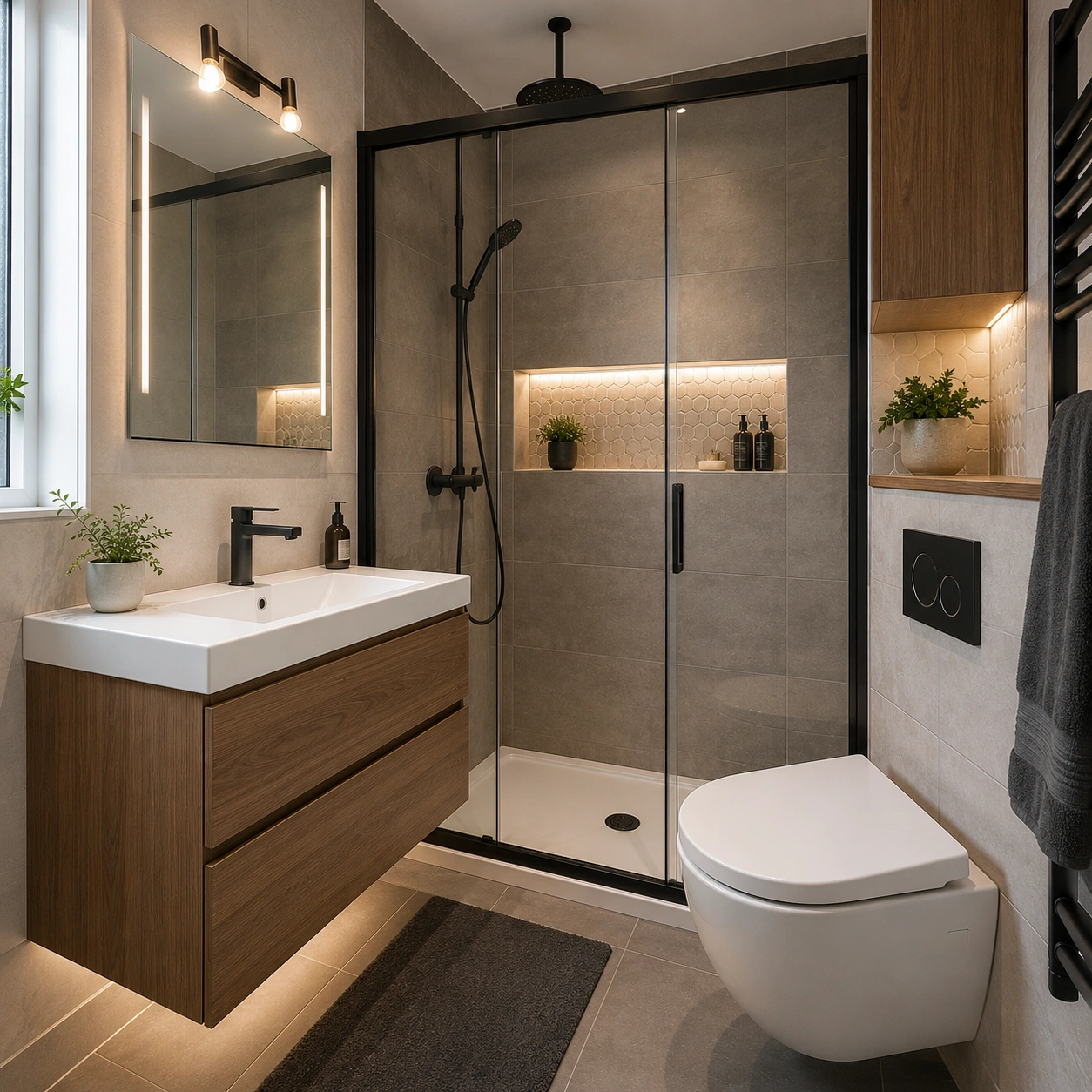
Top 7 Most Common Design Errors During Small Bathroom Renovation Chiswick
Renovating a small bathroom sounds simple until the work begins. Every centimetre matters, and one wrong decision can make the room feel cramped, dark, or difficult to use every day. If you’re planning a small bathroom renovation in Chiswick, understanding the most common design mistakes before work starts can save both time and money while helping you create a bathroom that feels larger and functions better.
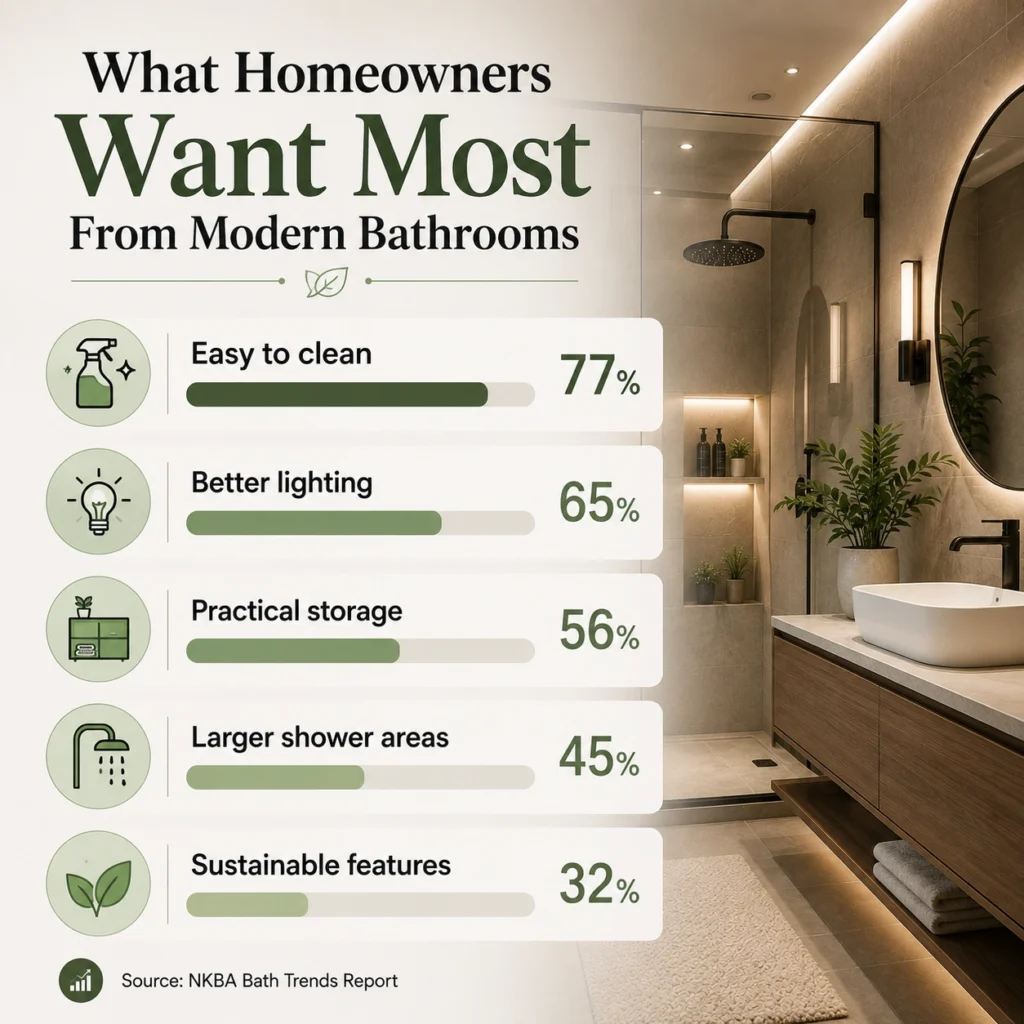
Many homeowners focus on colours, tiles, and fittings first, but successful bathroom planning starts with layout and practicality. According to the 2024 UK Houzz Bathroom Trends Study, 20% of homeowners increased the size of their bathroom during renovation, while 76% upgraded lighting and 85% improved ventilation systems. These figures show that functionality is becoming just as important as appearance.
Why Small Bathrooms Need Better Planning
A compact bathroom has very little room for error. Unlike larger spaces, every fixture affects movement, storage, lighting, and cleaning.
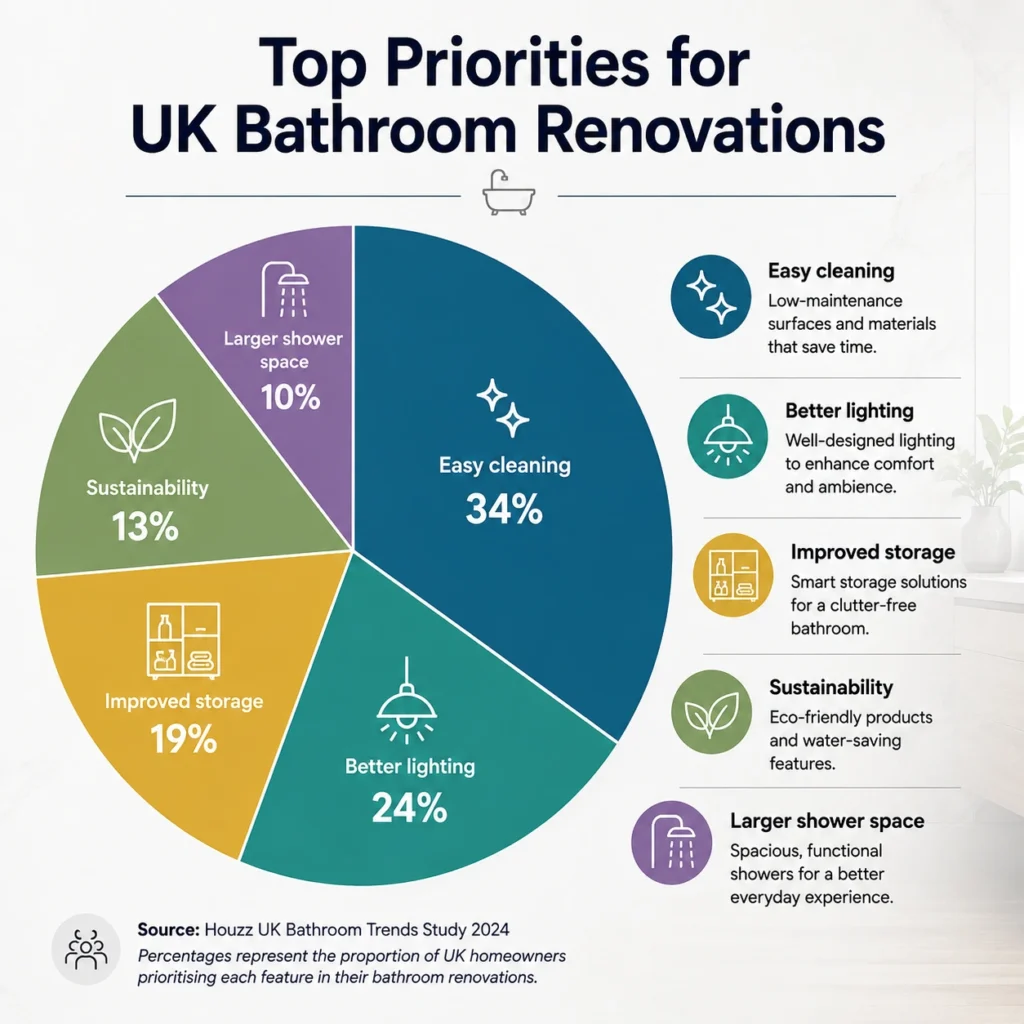
Research from the 2025 UK Houzz Bathroom Trends Study found that 77% of homeowners consider easy cleaning a top priority, while almost half also prioritise good lighting and practical storage. These preferences highlight how thoughtful planning leads to a bathroom that works better every day—not just one that looks attractive.
1. Choosing Fixtures That Are Too Large
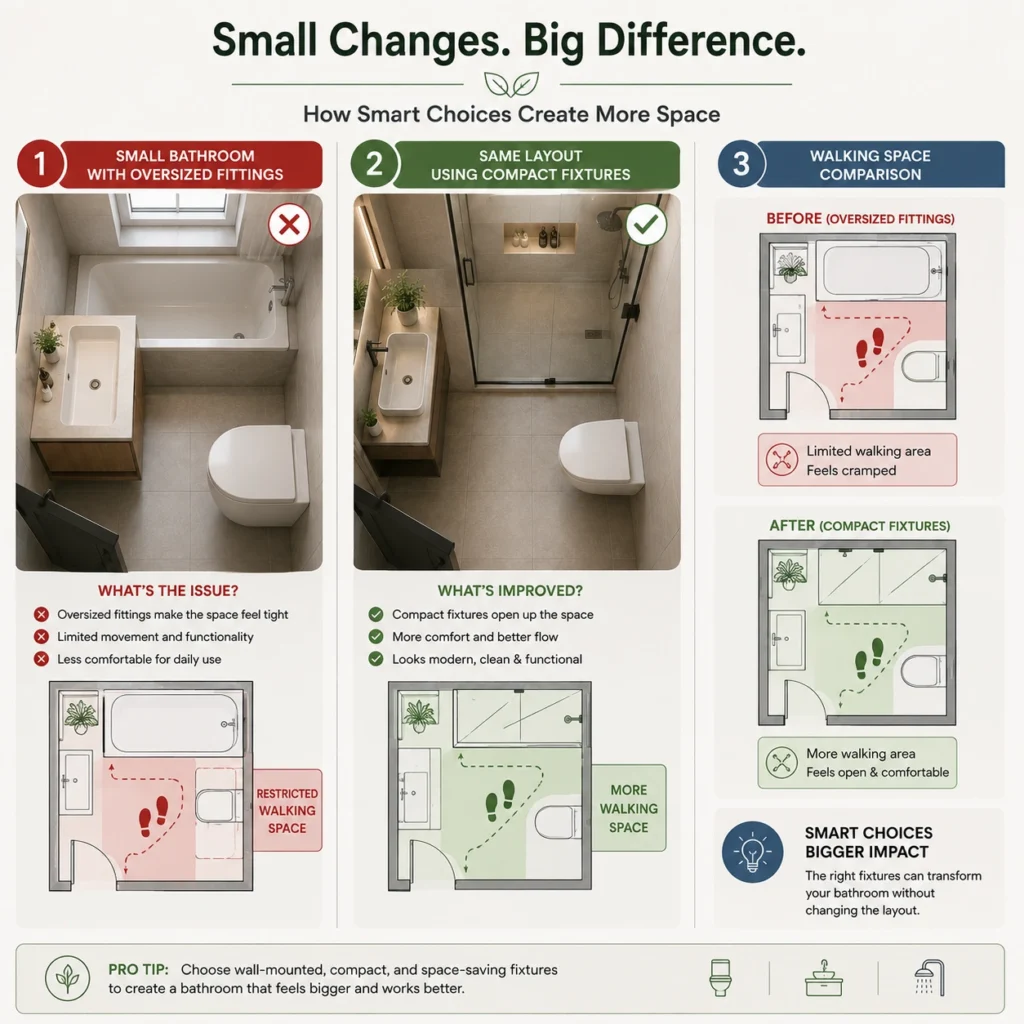
One of the biggest mistakes during a small bathroom renovation in Chiswick is selecting oversized furniture and fittings.
A large vanity, deep bath, or bulky toilet may look impressive in a showroom, but once installed inside a compact bathroom, they reduce valuable walking space.
Instead, choose fixtures designed specifically for smaller bathrooms. Wall-mounted toilets, floating vanity units, and compact basins create more visible floor area, making the room feel larger.
The latest Houzz research shows homeowners increasingly favour floating vanity units because they improve visual space while making cleaning easier.
| Oversized Fixtures | Space-Saving Fixtures |
|---|---|
| Bulky floor-standing vanity | Floating vanity |
| Standard bathtub | Walk-in shower where suitable |
| Large pedestal basin | Compact wall basin |
| Standard toilet | Short projection toilet |
2. Ignoring Storage Until the End
Storage should never be an afterthought.
Many homeowners complete a bathroom renovation in Chiswick only to realise there is nowhere to keep towels, toiletries, or cleaning products.
Instead of adding extra cabinets later, integrate storage into the original layout. Recessed wall niches, mirrored cabinets, floating shelves, and vanity storage all help maximise limited space without making the room feel crowded.
According to Houzz research, practical storage remains one of the most requested bathroom improvements among UK homeowners.
3. Poor Lighting Design
Lighting can completely change how a bathroom feels.
Many older bathrooms rely on a single ceiling light, creating shadows around mirrors and making the room appear smaller.
A better approach combines several light sources:
- Ceiling lighting
- Mirror lighting
- Shower lighting where appropriate
- Natural daylight whenever possible
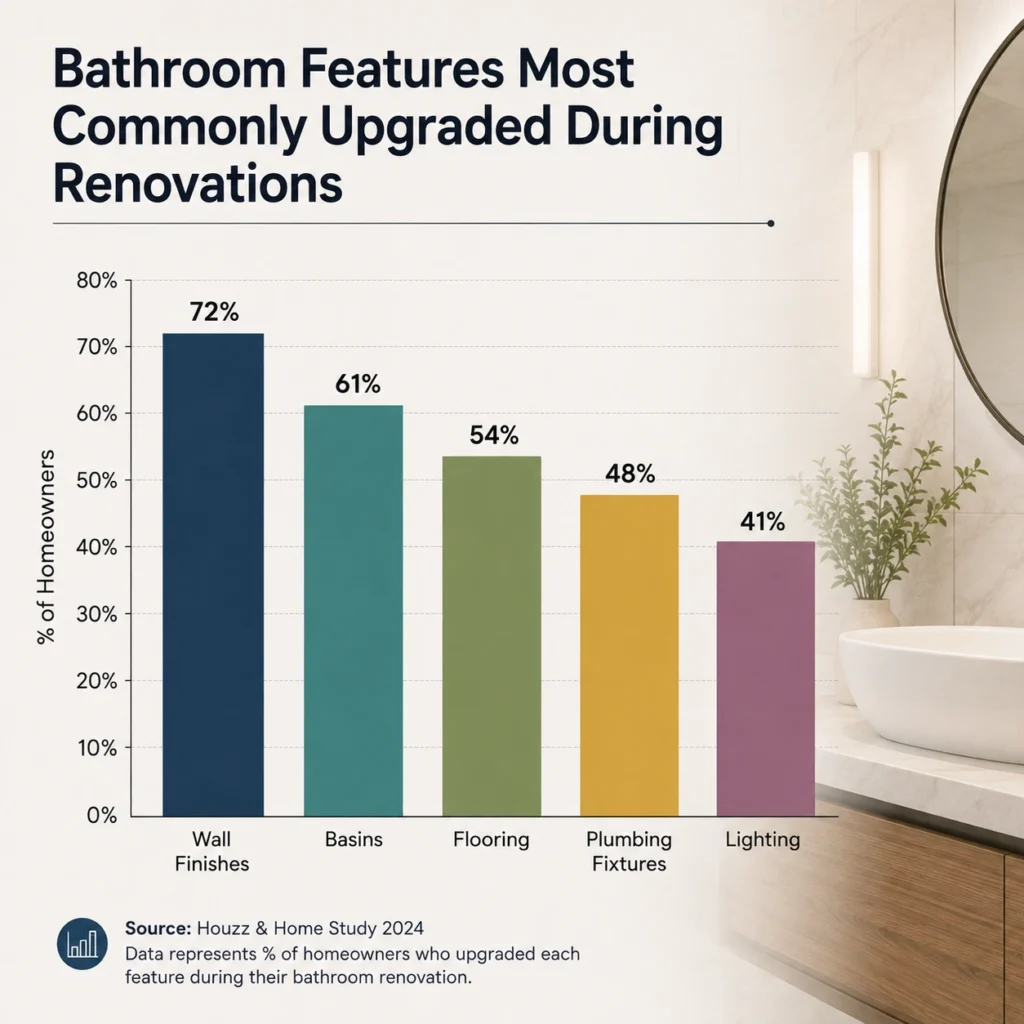
Lighting is one of the most upgraded features in UK bathroom renovations. The Houzz Bathroom Trends Study reports that 76% of renovating homeowners improved their bathroom lighting, recognising its importance for comfort and usability.
4. Using Too Many Different Materials and Colours
Small spaces benefit from visual consistency.
Combining several tile styles, multiple colours, different flooring materials, and contrasting finishes often makes a compact bathroom feel busy rather than spacious.
Keeping a consistent colour palette allows the eye to move naturally around the room.
Recent UK bathroom trends continue to favour timeless finishes because they remain attractive for years while helping smaller bathrooms feel calmer and brighter. Sustainable, long-lasting materials are also becoming increasingly popular, with 87% of homeowners incorporating sustainable features into bathroom renovations.
| Good Approach | Common Mistake |
|---|---|
| One floor tile throughout | Multiple flooring types |
| Consistent wall colours | Too many feature walls |
| Matching finishes | Mixed metals everywhere |
| Simple colour palette | Several bold colours together |
5. Forgetting About Ventilation
Ventilation is often overlooked during a small bathroom renovation in Chiswick, yet it has one of the biggest impacts on the long-term condition of your bathroom. Steam from showers can quickly build up in a compact space, leading to condensation, peeling paint, mould growth, and damage to cabinets or walls.
The UK Building Regulations (Approved Document F – Ventilation) require adequate ventilation in bathrooms to help remove excess moisture and improve indoor air quality. Installing the correct extractor fan, ensuring it is properly sized for the room, and allowing sufficient airflow can significantly reduce future maintenance issues.
If your bathroom has limited natural ventilation, investing in a quality extractor fan from the beginning is usually much more cost-effective than repairing moisture damage later.

Small Bathroom Space Planner
Optimize compact bathroom dimensions to ensure comfortable clearance before buying fixtures.
Layout & Efficiency Analysis
*Calculations apply UK building standard minimum clearances (600mm activity zone in front of toilet/basin).
6. Poor Layout Planning
A bathroom may include high-quality fixtures, but if the layout is poorly planned, using the room becomes frustrating every day.
Common layout mistakes include:
- Toilet blocking the entrance
- Shower doors hitting the vanity
- Insufficient clearance around fixtures
- Limited movement between fittings
Before beginning any bathroom renovation in Chiswick, every fixture should be positioned to maximise movement while maintaining comfort and accessibility.
According to the National Kitchen & Bath Association (NKBA) planning guidelines, maintaining appropriate clearances around toilets, showers and vanities greatly improves usability and safety, especially in compact bathrooms.
Rather than trying to fit everything into a small room, prioritising essential features often creates a much more comfortable space.
| Well-Planned Layout | Poor Layout |
|---|---|
| Clear walking space | Narrow movement paths |
| Easy access to every fixture | Fixtures block each other |
| Comfortable door opening | Doors collide with furniture |
| Efficient use of corners | Wasted unused areas |
7. Focusing Only on Appearance Instead of Everyday Practicality
Beautiful bathrooms attract attention, but practical bathrooms continue to perform well for years.
Many homeowners choose fittings purely because they look stylish without considering cleaning, maintenance or daily use.
Examples include:
- Difficult-to-clean textured tiles
- Open shelving that quickly becomes cluttered
- Poor-quality finishes that wear quickly
- Inconvenient tap placement
- Insufficient storage for everyday items
The 2025 UK Houzz Bathroom Trends Study found that 77% of homeowners prioritise easy cleaning when renovating a bathroom. This shows that practical choices have become just as important as visual appeal.
When planning a small bathroom renovation in Chiswick, selecting durable materials, practical storage and easy-to-maintain surfaces often provides better long-term value than following short-lived design trends.
Planning a successful small bathroom renovation Chiswick isn’t about spending more—it’s about making informed decisions before work begins. Which of these seven mistakes do you think is the easiest to overlook, or have you experienced one during a previous bathroom renovation Chiswick? Share your experience or questions in the comments to help other homeowners make smarter renovation choices.
Frequently Asked Questions
1. How much does a small bathroom renovation in Chiswick cost?
The cost of a small bathroom renovation in Chiswick depends on the size of the bathroom, the materials chosen, and the amount of work involved. A simple renovation generally costs less than a complete remodel that includes plumbing or structural changes. Requesting a detailed quotation before work begins helps you plan your budget and avoid unexpected expenses.
2. How long does a small bathroom renovation take?
Most small bathroom renovations take between one and three weeks, depending on the complexity of the project. Factors such as plumbing upgrades, waterproofing, tiling, and the availability of materials can affect the overall timeline.
3. What is the biggest mistake people make during a bathroom renovation?
One of the most common mistakes is choosing style over functionality. Poor layout planning, inadequate storage, insufficient lighting, and oversized fixtures can make a small bathroom feel even smaller and less practical.
4. How can I make a small bathroom look bigger?
You can make a small bathroom feel larger by using light-coloured tiles, installing wall-mounted fixtures, adding large mirrors, improving lighting, and keeping the design simple with consistent finishes. Good planning helps maximise every inch of available space.
5. Is a walk-in shower better than a bathtub in a small bathroom?
A walk-in shower is often the better choice for compact bathrooms because it creates more open floor space and improves accessibility. However, the right option depends on your household’s needs, available space, and personal preferences.
6. Do I need planning permission for a bathroom renovation in Chiswick?
Most internal bathroom renovations do not require planning permission. However, if your property is a listed building or the renovation involves structural alterations, additional approvals may be needed. Always check the latest local regulations before starting any work.
7. What should I consider before starting a bathroom renovation in Chiswick?
Before starting a bathroom renovation, think about your layout, storage requirements, lighting, ventilation, budget, and the quality of materials. Careful planning helps reduce delays and avoids costly changes during the renovation.
8. What are the best storage ideas for a small bathroom?
Space-saving storage solutions include floating vanity units, recessed wall niches, mirrored cabinets, built-in shelving, and tall storage units. These options help keep everyday items organised without making the room feel crowded.
9. Why is ventilation important in a small bathroom?
Proper ventilation removes excess moisture, helping to prevent condensation, mould growth, peeling paint, and unpleasant odours. A suitable extractor fan improves air quality and helps protect your bathroom from long-term moisture damage.
10. How do I choose the right company for a small bathroom renovation in Chiswick?
Look for a company with proven experience, transparent quotations, positive customer reviews, quality workmanship, and clear communication throughout the project. Asking to see previous renovation work and discussing your requirements before work starts can help you make an informed decision.