
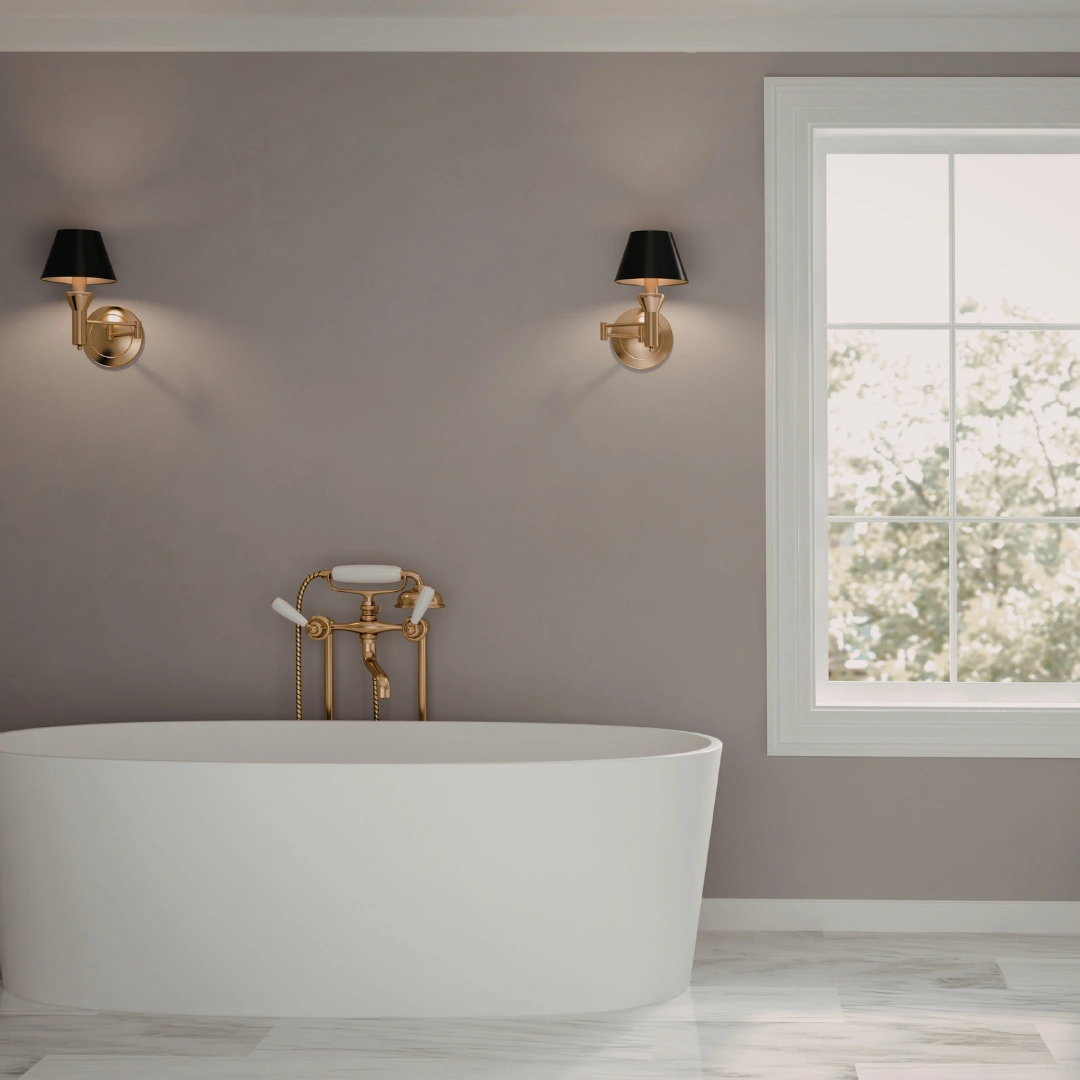
Japandi Bathroom Renovation London: The Style Taking Over in 2026
If you have spent any time researching bathroom renovation in London over the past twelve months, one word has likely surfaced with increasing frequency: Japandi. A thoughtful fusion of Japanese minimalism and Scandinavian functionality, Japandi has moved swiftly from interior design editorial columns into the mainstream renovation market — and London homeowners are embracing it faster than almost anywhere else in the United Kingdom.
Understanding what Japandi actually means in a bathroom context, why it resonates so powerfully with contemporary London lifestyles, and how to execute it well through a skilled London bathroom company is the purpose of this blog. The aesthetic may be quiet, but the results — and the return on investment — speak with considerable authority.
What Is Japandi, and Why Is It Dominating 2026?
Japandi draws equally from two deeply considered design philosophies. From Japan, it borrows the principle of wabi-sabi — the acceptance of imperfection, the beauty of natural materials, and the deliberate elimination of the unnecessary. From Scandinavia, it takes hygge — an emphasis on warmth, comfort, and the creation of spaces that feel genuinely restorative.
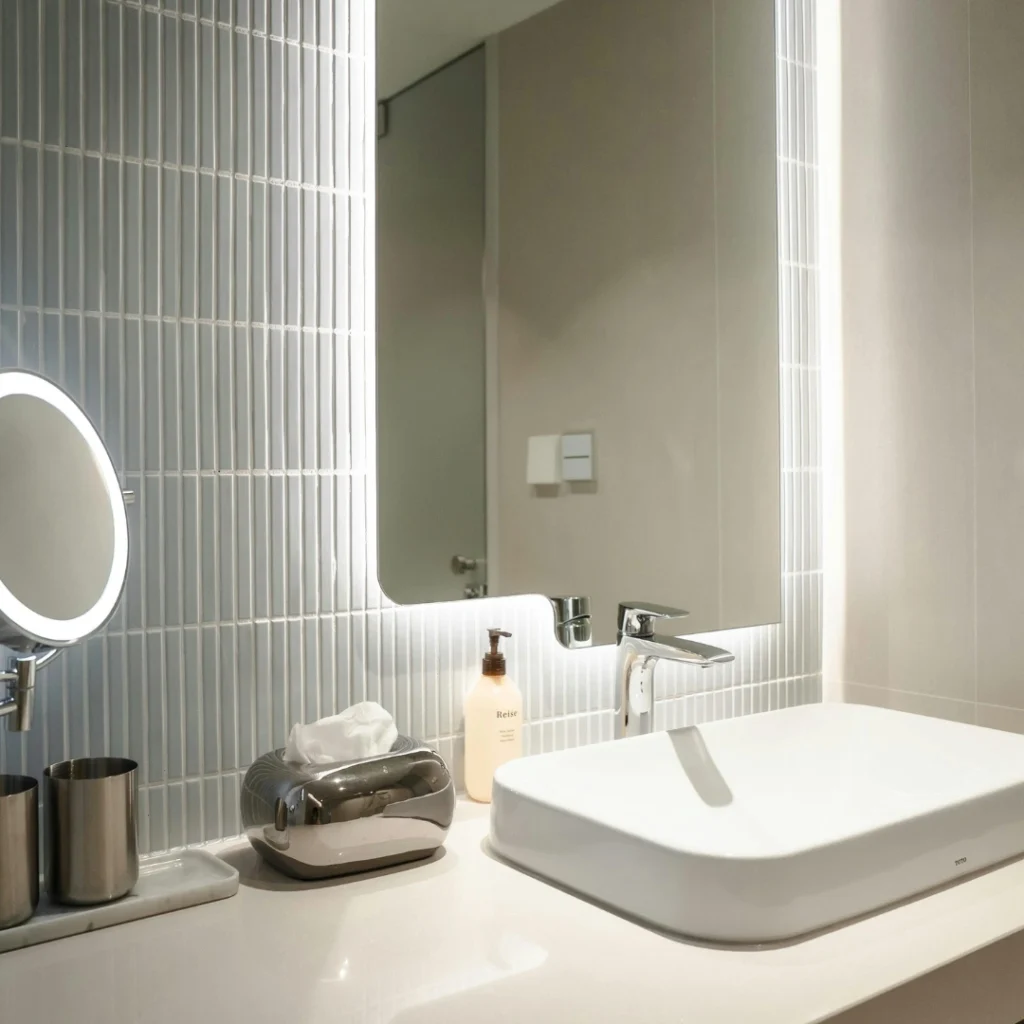
In a bathroom setting, the result is a space characterised by natural stone and wood textures, a restrained and largely neutral palette of warm taupes, clay tones, muted greens and charcoal, clean lines in sanitaryware and fittings, recessed storage that removes visual clutter entirely, and the thoughtful use of natural light.
What makes Japandi particularly suited to 2026 is its alignment with broader cultural shifts. According to the Global Wellness Institute’s 2024 report, the wellness at home market grew by 31% year-on-year globally, with bathroom spaces identified as the primary area of investment for homeowners seeking to create restorative domestic environments. In a post-pandemic era defined by remote working and increasing time spent at home, Londoners are investing in bathrooms that function as sanctuaries rather than simply functional rooms.
The Data Behind the Trend
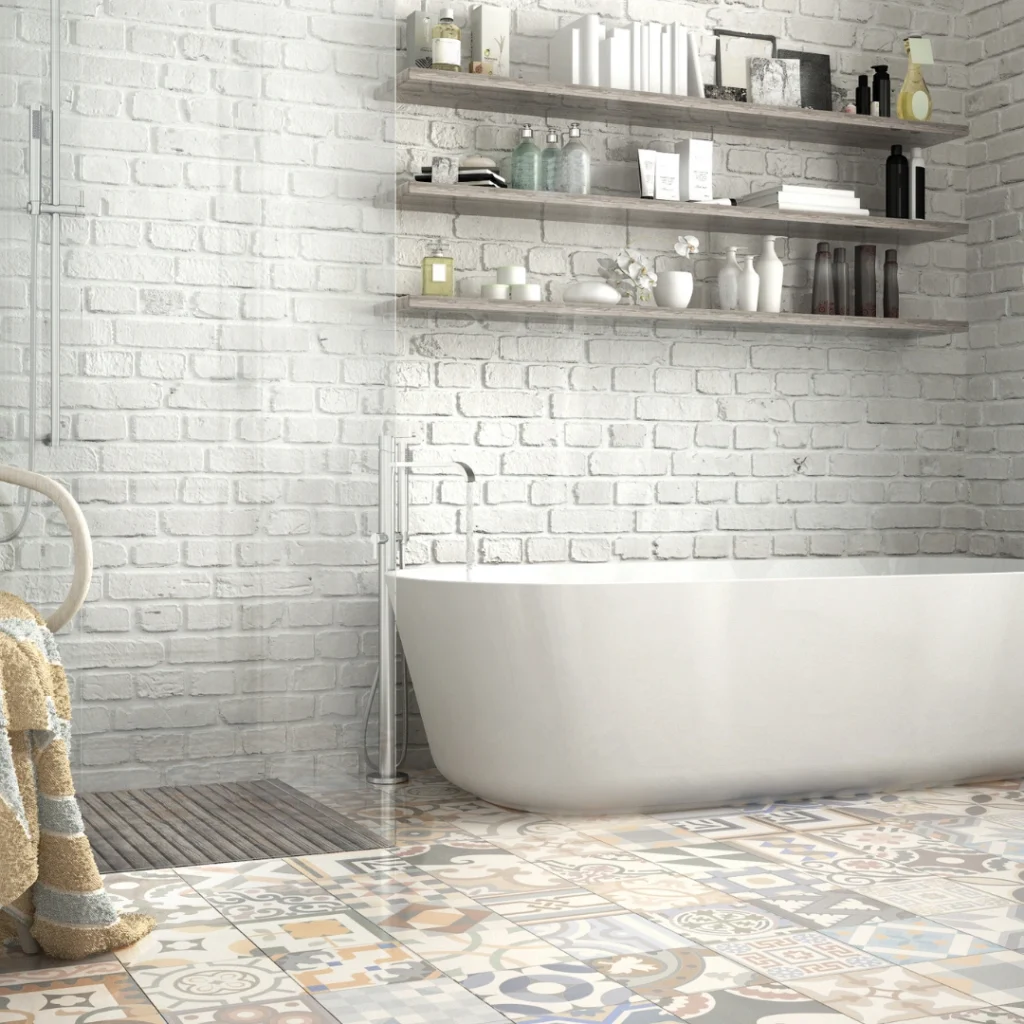
The growth of Japandi as a search and consumer behaviour trend is well supported by data.
Google Trends analysis published by Houzz UK in early 2025 recorded a 214% increase in UK searches for “Japandi bathroom” between January 2023 and December 2024, with London accounting for the highest regional search volume by a significant margin. Separately, the 2025 UK Houzz & Home Study — which surveyed over 7,500 UK homeowners — identified Japandi as the most searched bathroom aesthetic for the second consecutive year, ahead of both industrial and maximalist styles.
From a commercial perspective, the same Houzz report found that homeowners who commissioned Japandi-influenced bathroom renovations reported an average satisfaction score of 4.7 out of 5 — the highest of any identified aesthetic category. Estate agents operating in prime London postcodes have also noted the commercial value of the style, with Savills’ 2025 Prime London Residential Report indicating that bathrooms described with premium natural material finishes contributed to an average 3–5% uplift in achieved sale price compared to standard refitted bathrooms in comparable properties.
For any London bathroom company advising clients on renovation investment, the commercial case for Japandi in 2026 is compelling and well evidenced.
Core Elements of a Japandi Bathroom Renovation in London
Natural Materials as the Foundation
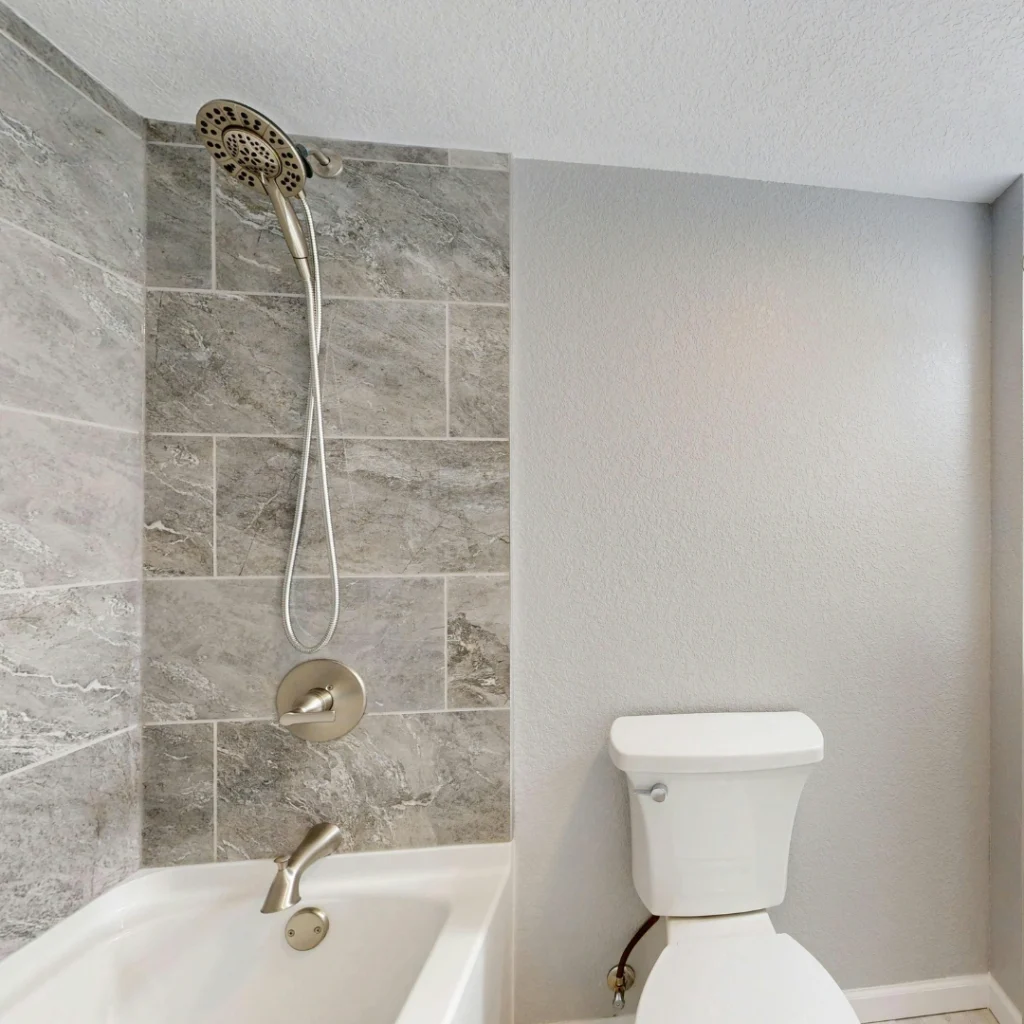
The material palette is where a Japandi bathroom renovation in London lives or dies. Authenticity matters here. Natural stone — particularly honed (matte-finished) travertine, limestone, and slate — delivers the textural warmth and subtle variation that defines the aesthetic. Engineered wood or bamboo elements, used for vanity units, shelving, or accessories, introduce organic warmth that contrasts effectively with cooler stone surfaces.
According to the Stone Federation Great Britain’s 2024 Industry Report, demand for natural stone in UK residential bathroom projects grew by 28% between 2022 and 2024, with London projects accounting for 41% of total residential natural stone supply. This reflects not only the Japandi trend but a broader move away from the high-gloss, heavily patterned surfaces that dominated the previous decade.
Porcelain tiles that credibly replicate natural stone textures have also become an important part of the material toolkit for bathroom renovation London projects where budget parameters require a more cost-effective approach without compromising the overall aesthetic.
Sanitaryware: Precision Without Ostentation
Japandi places exceptional emphasis on the quality and restraint of sanitaryware. Freestanding baths with clean geometric profiles, wall-hung WCs and vanity units that create a sense of visual space, and thermostatic shower systems with minimal exposed pipework are the hallmarks of the style in 2026.
Concealed cisterns and in-wall plumbing systems are particularly in demand. The CIPHE (Chartered Institute of Plumbing and Heating Engineering) noted in its 2024 annual market review that specifications for concealed-frame WC systems in London residential projects rose by 37% year-on-year — a direct reflection of the shift towards cleaner wall planes and reduced visual complexity in bathroom spaces.
Matte black, brushed brass, and warm brushed nickel finishes for tapware and fittings have largely displaced chrome as the preferred finish in premium London bathroom renovations, offering the understated warmth that chrome’s reflective surface cannot deliver.
What Does a Japandi Bathroom Renovation in London Cost in 2026?
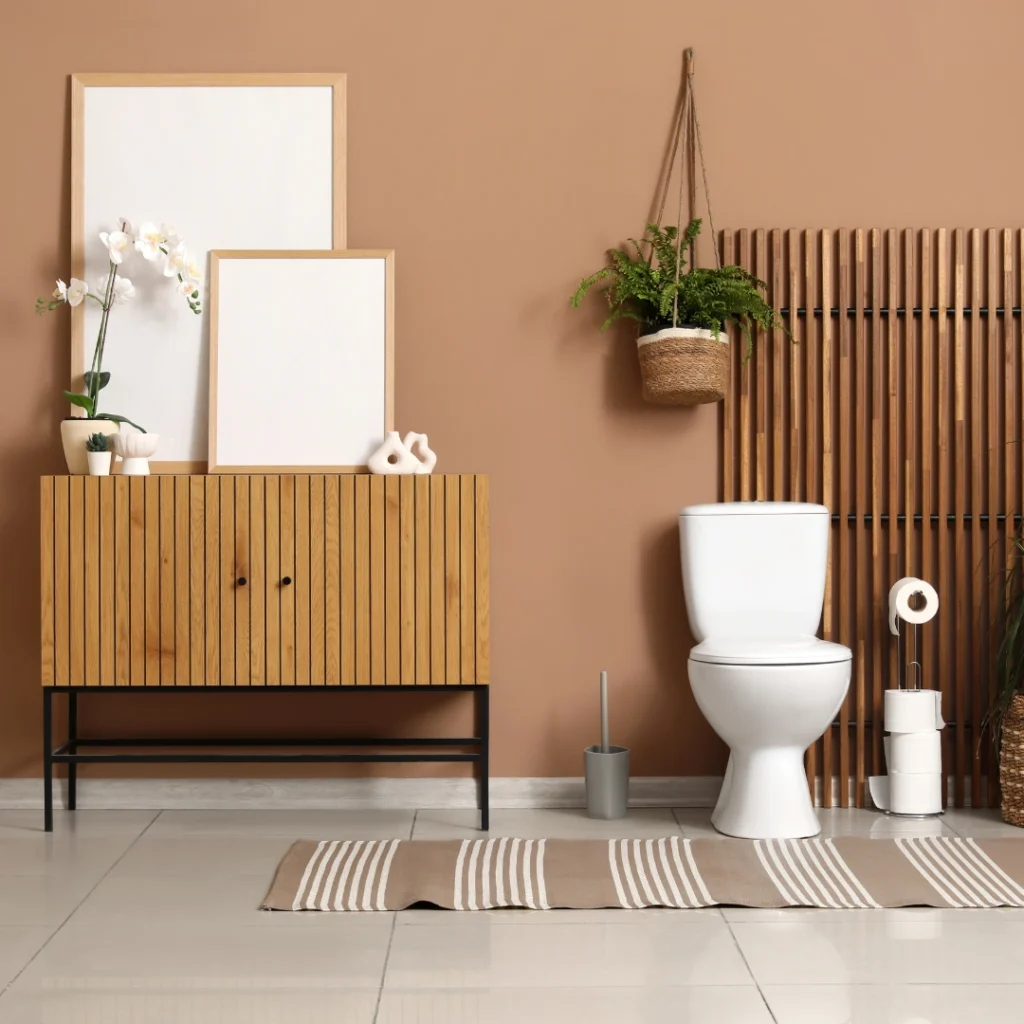
Cost is a practical reality that no honest guide should avoid. For a bathroom renovation London homeowners undertake in the Japandi aesthetic, material and product specifications inevitably sit towards the mid-to-premium end of the market.
Based on current 2025–2026 market data from the Royal Institution of Chartered Surveyors (RICS) and the Federation of Master Builders (FMB), a mid-range Japandi bathroom renovation in London — covering a standard family bathroom of approximately 4–6 square metres — typically falls between £9,000 and £16,000, with high-specification projects incorporating natural stone, bespoke joinery, and premium sanitaryware brands extending to £20,000 or beyond.
Labour costs for skilled tradespeople in London remain approximately 25–35% above the national average, as confirmed by the FMB’s 2024 Regional Labour Cost Survey. When planning your budget, it is advisable to retain a contingency of 12–15% above your primary cost estimate to account for unforeseen structural or plumbing complications — particularly relevant in London’s substantial stock of Victorian and Edwardian terraced properties.
Despite the higher initial investment, the return profile is favourable. Research by Nationwide Building Society indicates that a well-executed premium bathroom renovation adds between 4% and 6% to residential property value in London, while the Savills data referenced earlier suggests that natural-material bathroom finishes specifically drive buyer premium over standard refurbished alternatives.
Choosing the Right London Bathroom Company for a Japandi Project
Japandi is unforgiving of poor execution. The style’s defining characteristic is precision — and a bathroom where grout lines are inconsistent, material transitions are clumsy, or stonework is inadequately sealed will read as a failure of the aesthetic even to an untrained eye. This makes the selection of an experienced, specialist London bathroom company one of the most consequential decisions in the entire project.
When evaluating contractors for a Japandi bathroom renovation in London, request to see completed projects that specifically demonstrate natural stone installation, concealed plumbing integration, and matte finish sanitaryware. Verify FMB or TrustMark membership, confirm that the appointed electrician holds NICEIC or NAPIT registration, and ensure the full scope of works — including all material specifications — is captured in a written contract before any works commence.
Word of mouth and verifiable review platforms such as Checkatrade and Google Reviews remain among the most reliable signals of contractor quality in London’s competitive trades market.
The Lasting Appeal of Japandi
What distinguishes Japandi from purely cyclical trend aesthetics is its philosophical grounding. Spaces designed on the principles of intentionality, natural material quality, and the elimination of the unnecessary do not date in the way that fashion-led interior styles inevitably do. For London homeowners making a significant investment in bathroom renovation in 2026, Japandi offers not only a contemporary aesthetic but an enduring one — a space designed to provide genuine daily value for years to come.