
How Plumbing Impacts Your Bathroom Refurbishment Islington Costs
When planning a bathroom refurbishment Islington homeowners can trust to add real value, plumbing is one of the most decisive cost factors—yet it’s often underestimated. While fixtures and finishes are visible, the true performance, safety, and longevity of a bathroom depend on what sits behind the walls and beneath the floors. In Islington, where a large proportion of homes are older conversions and Victorian properties, plumbing conditions can vary widely and directly influence refurbishment budgets.
According to the Royal Institution of Chartered Surveyors, more than 40% of residential properties in England were built before 1945. This age profile is especially relevant in inner London boroughs like Islington, where outdated plumbing systems frequently need partial or full upgrades during refurbishment. Understanding how plumbing affects costs allows homeowners to budget realistically and avoid unexpected overruns.
Why Plumbing Plays a Central Role in Bathroom Refurbishment
Plumbing is the functional backbone of any bathroom. It governs water delivery, waste removal, pressure balance, and hygiene. If plumbing systems are outdated or poorly installed, even a newly refurbished bathroom can become expensive to maintain.
The Office for National Statistics reports that UK households spend between £600 and £1,200 annually on plumbing and water-related repairs. A significant proportion of this spending is linked to ageing pipework and inefficient systems that were never upgraded during renovations.
By addressing plumbing comprehensively during refurbishment, homeowners can reduce long-term maintenance costs by up to 30%, according to UK housing maintenance studies.
Typical Plumbing Cost Contribution in Islington Bathrooms
In Islington, plumbing usually accounts for a substantial portion of the overall refurbishment budget due to property age and structural complexity.
Industry pricing data from London contractors in 2024–2025 shows that plumbing typically represents 25% to 35% of total bathroom refurbishment costs. This includes labour, materials, compliance work, and system upgrades.
Average plumbing-related costs in Islington include basic upgrades ranging from £800 to £1,400, full pipe replacements between £2,000 and £4,000, and drainage or soil stack work often exceeding £1,500. Labour rates also play a role, with qualified London plumbers charging between £55 and £90 per hour, depending on experience and certification levels.
The Cost Impact of Ageing Pipework in Islington Homes
Older pipework is one of the most common reasons refurbishment costs rise unexpectedly.
Many Islington properties still contain galvanised steel or early copper pipes, and some even retain lead supply lines. The UK Drinking Water Inspectorate estimates that more than 7 million homes across the UK still have some lead pipework. These systems do not meet modern safety standards and often require replacement once refurbishment work begins.
Replacing old pipework typically adds £1,500 to £3,000 to a bathroom refurbishment Islington homeowners undertake. While this increases upfront costs, modern multilayer pipe systems have an expected lifespan of over 50 years and reduce leak risk by approximately 40%, according to UK plumbing manufacturer data.
Fixture Relocation and Its Effect on Refurbishment Budgets
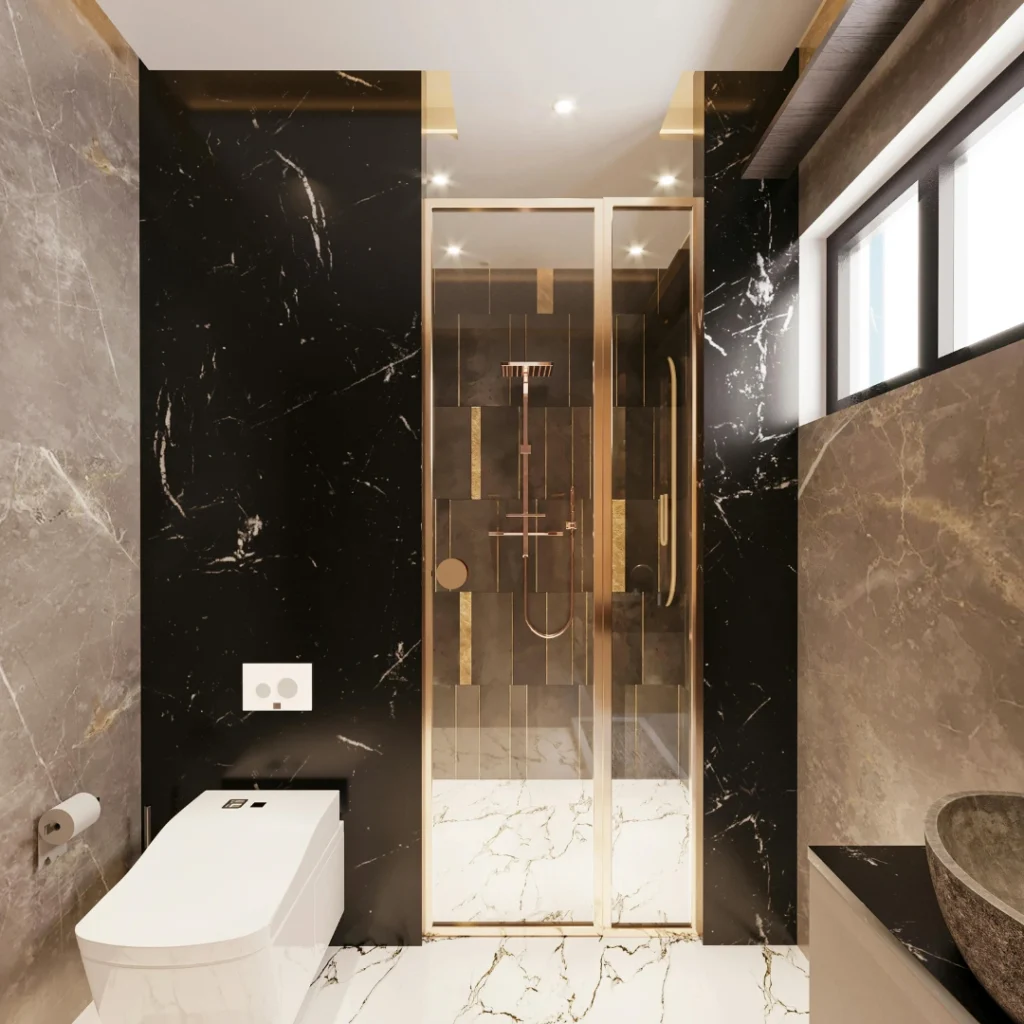
Relocating sanitary fixtures is a common request during refurbishment but can significantly increase plumbing costs.
Moving a toilet, basin, or shower requires changes to drainage gradients, extended waste runs, and sometimes structural access through floors or walls. UK renovation cost studies indicate that relocating a toilet alone can raise overall project costs by 12% to 18%.
In Islington flats, where drainage systems are often shared between multiple properties, fixture relocation can involve additional compliance checks and approvals, further increasing labour and time costs.
Water Pressure Challenges in Islington Properties
Water pressure is another major plumbing-related cost factor.
According to data from Thames Water, average water pressure in parts of North London ranges from 1.5 to 3 bar. This is often insufficient for modern bathrooms, particularly in upper-floor flats and converted houses.
To resolve low pressure, plumbing upgrades may include booster pumps costing £400 to £900, unvented hot water cylinders priced between £1,200 and £2,000, or pipe resizing that can add over £1,000 to refurbishment costs.
Despite the initial expense, property market research suggests that homes with reliable water pressure can see resale value increases of 2% to 4%, making these upgrades a sound investment.
Regulatory Compliance and Certification Costs
All plumbing work carried out during a bathroom refurbishment must comply with UK water and building regulations.
Installations are governed by standards set by the Water Regulations Advisory Scheme, which aims to prevent contamination and ensure safe water systems.
Compliance requirements include approved fittings, backflow prevention, insulation standards, and correct waste connections. Local authority data shows that non-compliant plumbing can lead to fines of up to £5,000 and mandatory corrective work.
While certified plumbing installations can add 5% to 8% to initial refurbishment costs, they significantly reduce legal, safety, and maintenance risks over time.
Hidden Plumbing Issues That Increase Costs Mid-Project
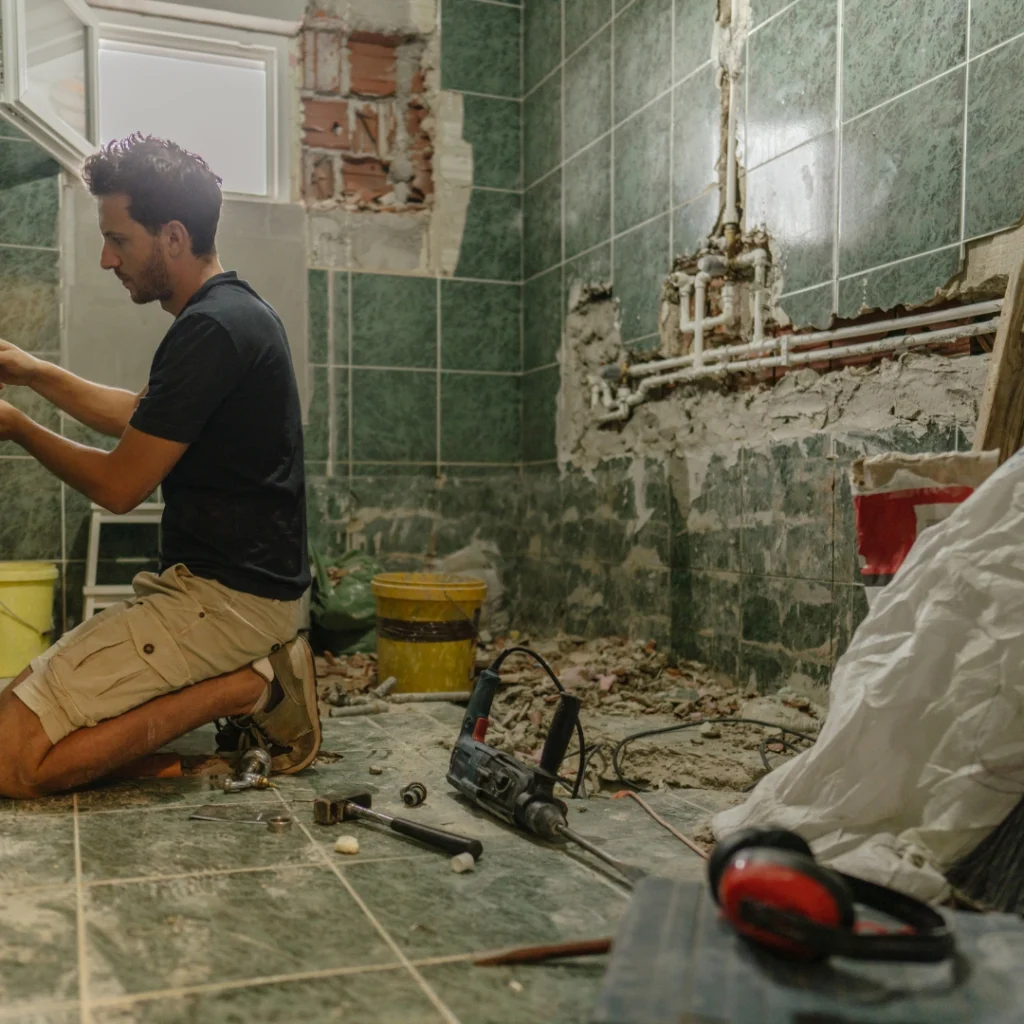
One of the biggest causes of budget overruns is the discovery of hidden plumbing defects after refurbishment work has started.
Common issues include corroded joints, slow leaks, blocked soil stacks, and faulty isolation valves. According to the Association of British Insurers, water damage accounts for approximately 29% of all household insurance claims in the UK. The average claim value is around £2,700, with repairs often taking more than two weeks.
Pre-refurbishment inspections, such as pressure testing and drain surveys, can reduce unexpected plumbing costs by up to 60%, based on UK construction risk management data.
Labour Quality and Long-Term Cost Implications
The quality of plumbing workmanship has a direct impact on long-term ownership costs.
Poor installation increases the likelihood of leaks, damp-related damage, and repeated repairs. Research published by the Federation of Master Builders indicates that homeowners who use certified tradespeople spend approximately 23% less on maintenance over a ten-year period.
Experienced bathroom specialists London homeowners rely on follow recognised training standards and regulatory guidance, helping ensure installations remain reliable long after refurbishment is complete.
Plumbing Upgrades and Property Value in Islington
Plumbing improvements contribute directly to property value and buyer confidence.
UK valuation studies show that modernised plumbing systems can increase resale values by 3% to 7%. They also contribute to improved Energy Performance Certificate ratings by supporting efficient hot water systems.
With average property prices in Islington exceeding £700,000, even a modest 3% uplift represents a potential value increase of over £21,000. This makes plumbing a critical financial consideration in any bathroom refurbishment Islington property owners plan.
Budgeting Realistically for Plumbing Work
Effective budgeting is essential to prevent delays and financial stress.
Industry benchmarks suggest allocating between 25% and 35% of your total refurbishment budget to plumbing, with an additional contingency of around 10%. Construction management studies show that including a contingency buffer reduces project delays by more than 40%.
Early technical surveys and transparent quotations are the most effective tools for managing plumbing costs accurately.
Why Professional Planning Matters in Islington
Islington’s housing stock presents unique challenges, including listed buildings, shared services, and restricted access. These factors demand detailed planning before work begins.
Professional bathroom specialists London residents trust understand local authority requirements, shared drainage systems, and compliance procedures. This expertise helps avoid costly redesigns, regulatory issues, and unexpected delays.
Plumbing Defines Your Refurbishment Costs
Plumbing is the single most influential technical factor in a bathroom refurbishment Islington homeowners undertake. Ageing pipes, water pressure limitations, regulatory compliance, and labour quality all shape your final budget and long-term costs.
Data from UK housing authorities, insurers, and construction bodies consistently shows that investing in high-quality plumbing reduces lifetime expenses, protects property value, and improves everyday reliability.
By prioritising expert plumbing work from the outset, homeowners can achieve a cost-effective, compliant, and durable bathroom refurbishment that stands the test of time.