
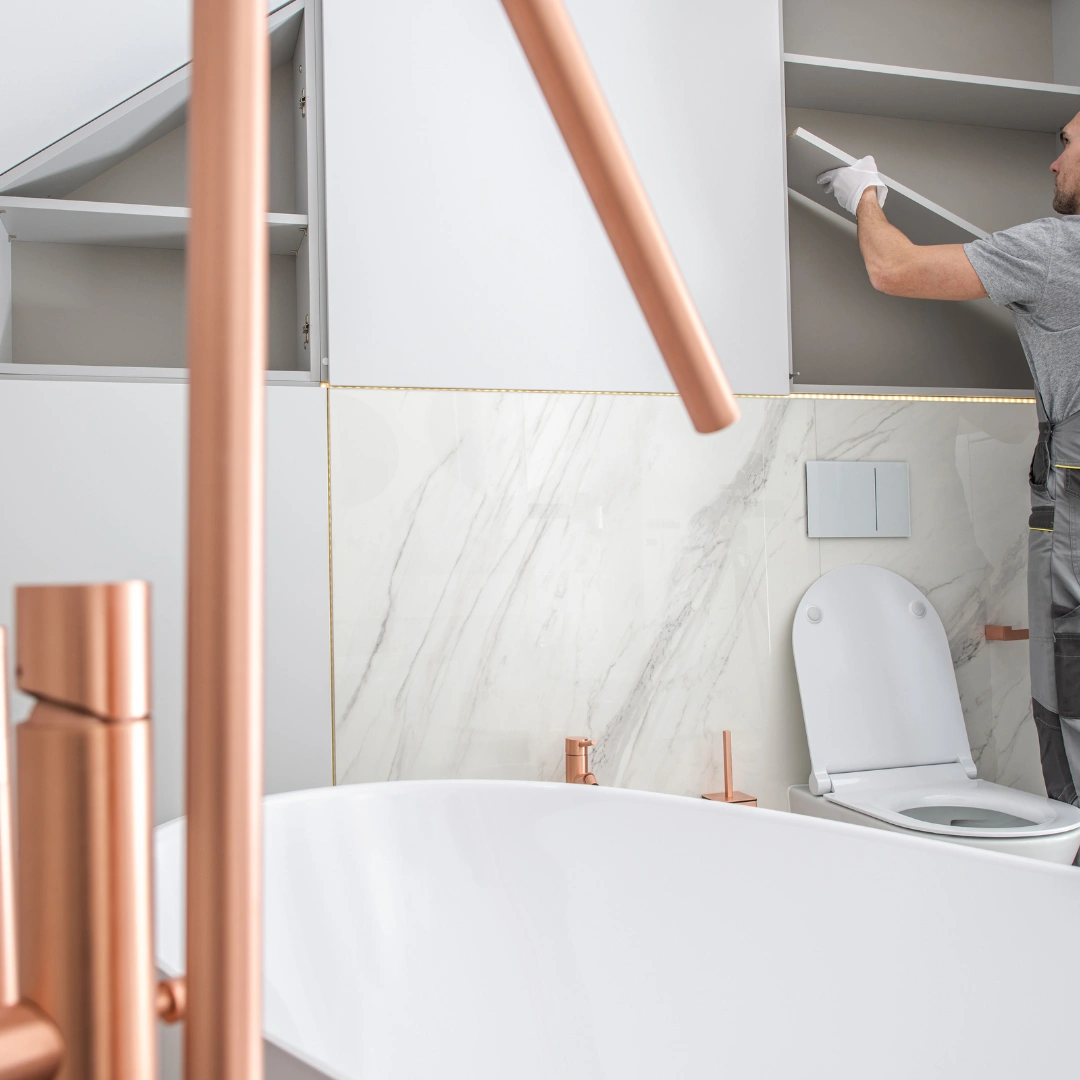
7 Best Flooring Options for Modern Bathroom Renovation in Fulham
A modern bathroom renovation is about more than stylish fittings and smart layouts — the right flooring plays a critical role in durability, safety, hygiene, and long-term value. In moisture-heavy spaces like bathrooms, poor flooring choices can lead to mould growth, structural damage, and costly repairs.
For homeowners planning a bathroom renovation in Fulham, selecting the right flooring is especially important due to London’s high humidity levels and older property structures. According to the UK Building Research Establishment, moisture-related damage accounts for over 25% of domestic property maintenance issues nationwide.
In this guide, we explore the seven best flooring options for modern bathrooms, backed by industry data and expert insights — helping you make an informed investment for your home.
Why Flooring Matters in Bathroom Renovation
Bathrooms experience more water exposure than any other room in a home. The Royal Institution of Chartered Surveyors (RICS) reports that inadequate waterproofing and flooring failures are among the top causes of residential renovation defects in the UK.
Choosing the right flooring helps you:
- Prevent water seepage and mould
- Reduce slip hazards
- Improve thermal comfort
- Increase property value
- Lower long-term maintenance costs
This is why professional bathroom renovation London specialists prioritise flooring performance alongside aesthetics.
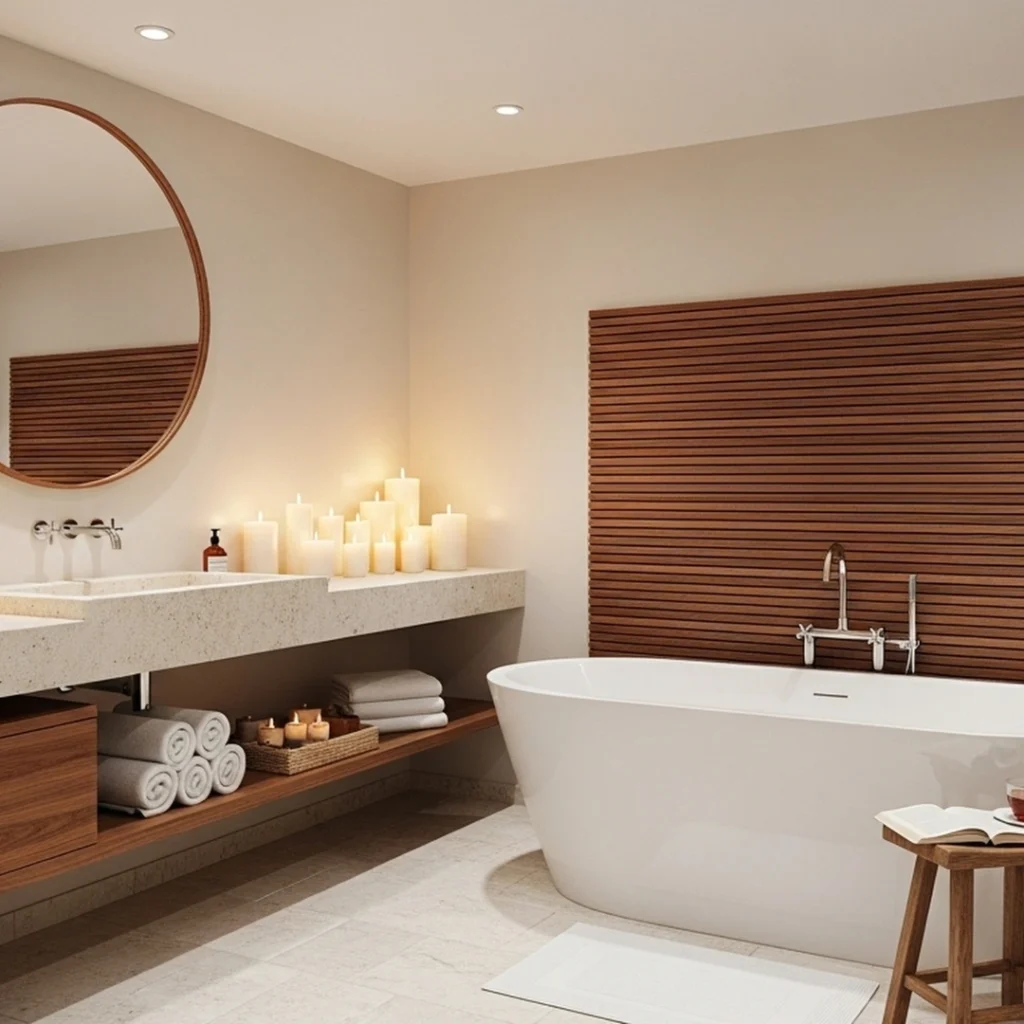
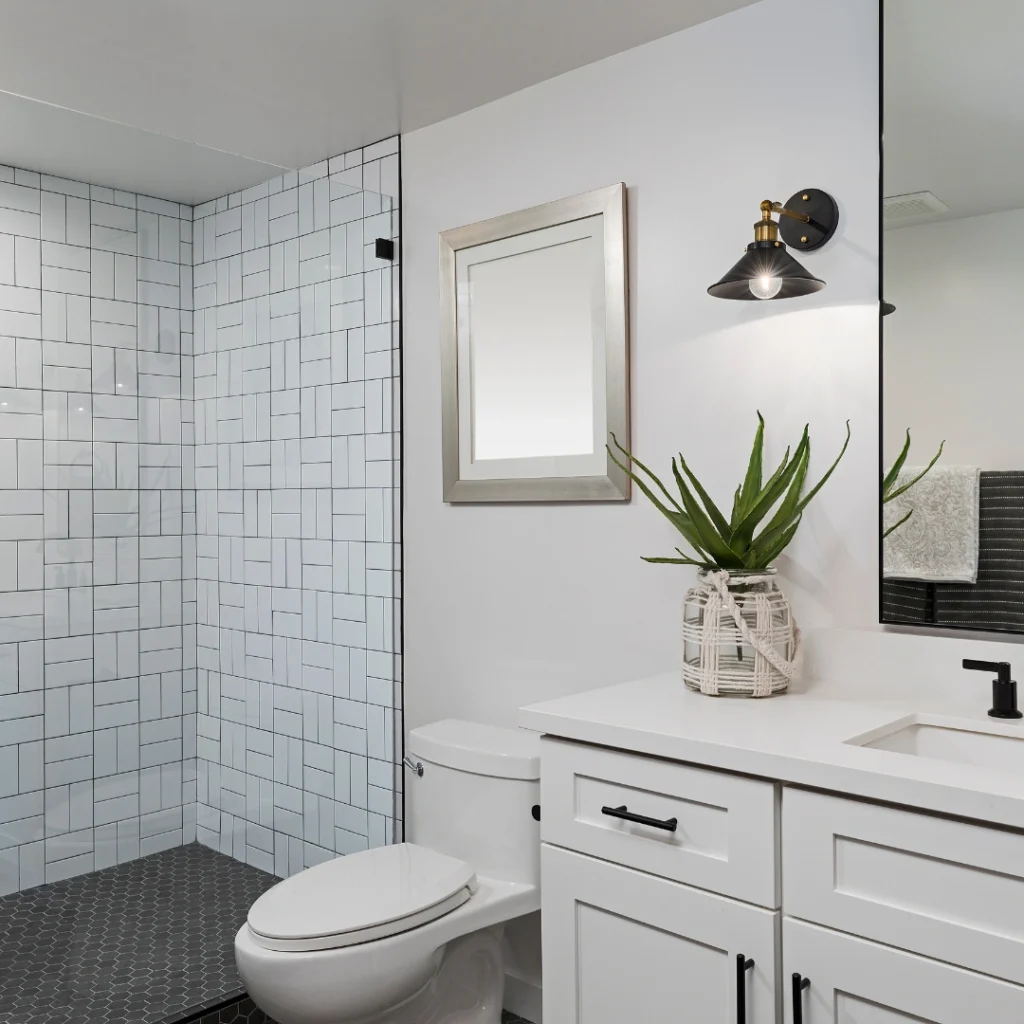
1. Porcelain Tiles – The Industry Gold Standard
Porcelain tiles remain the most widely recommended bathroom flooring material in the UK renovation sector.
Manufactured at extremely high temperatures, porcelain tiles are denser and less porous than ceramic alternatives.
Key Benefits
- Water absorption rate below 0.5% (ISO 10545 standard)
- High resistance to cracking and staining
- Compatible with underfloor heating
- Available in slip-resistant finishes
According to the Tile Association UK, porcelain tiles are used in over 60% of premium residential bathroom projects.
Best For
Homeowners seek long-lasting, low-maintenance flooring with excellent moisture resistance.
2. Ceramic Tiles – Cost-Effective and Versatile
Ceramic tiles offer a more budget-friendly alternative to porcelain while still providing strong water resistance.
They are widely used in residential renovations due to their affordability and design flexibility.
Key Benefits
- Lower cost than porcelain (average 20–30% cheaper)
- Easy installation
- Wide colour and pattern range
- Simple cleaning
The Construction Products Association notes that ceramic tile installations in UK homes grew by 18% between 2020 and 2024.
Best For
Budget-conscious renovations where durability and style must remain balanced.
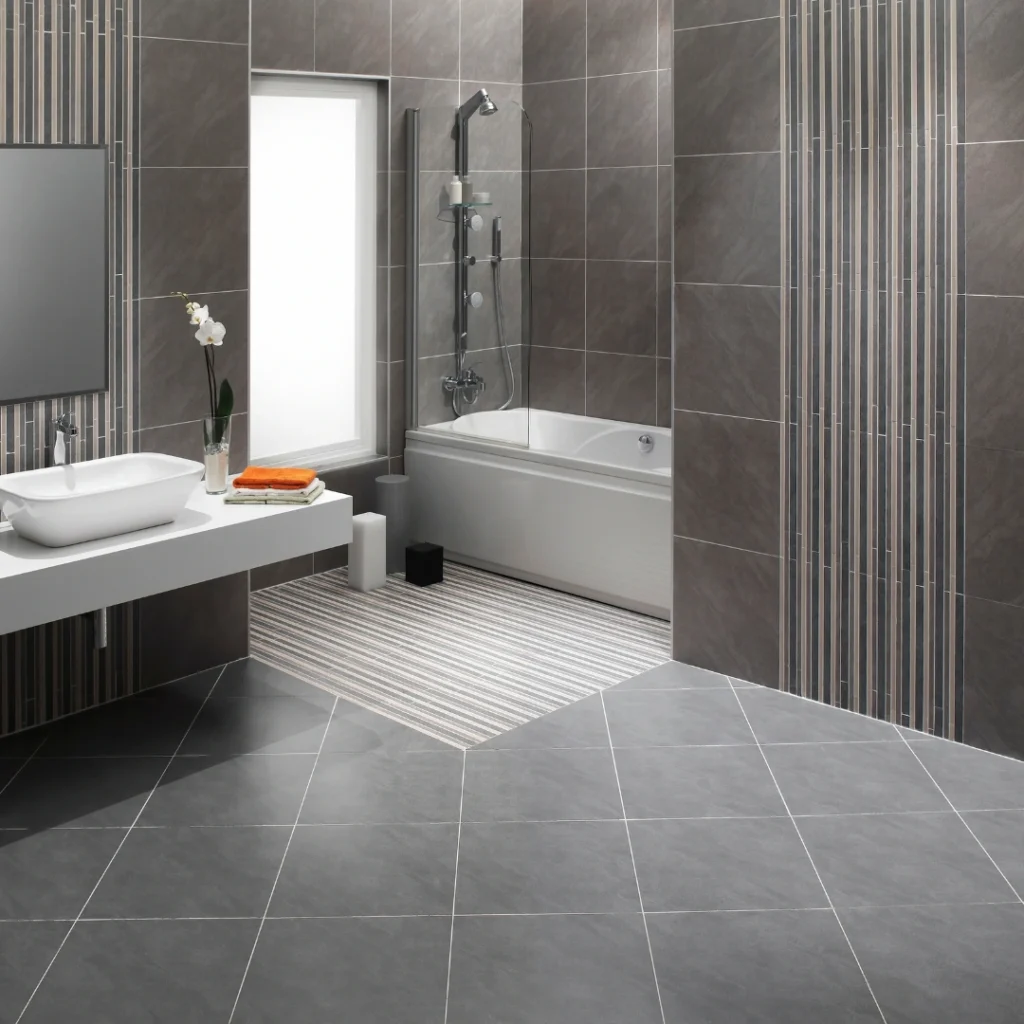
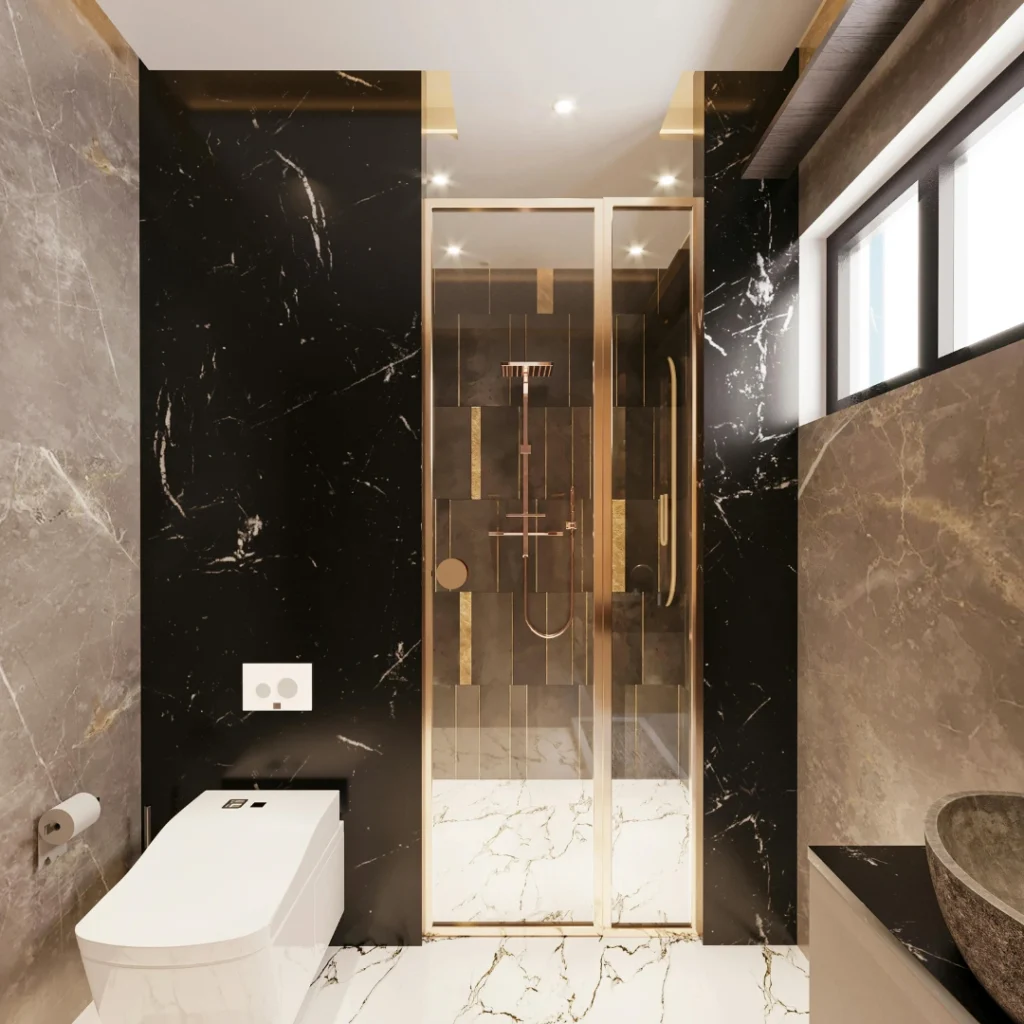
3. Luxury Vinyl Tiles (LVT) – Waterproof and Comfortable
Luxury Vinyl Tiles (LVT) have seen rapid growth in bathroom renovations across London.
Modern LVT products are fully waterproof and engineered for high-moisture environments.
Key Benefits
- 100% water-resistant core
- Warmer underfoot than tiles
- Excellent slip resistance
- Compatible with uneven subfloors
According to Statista, the UK vinyl flooring market exceeded £850 million in 2024, driven largely by residential bathroom and kitchen upgrades.
Best For
Homeowners seeking comfort, fast installation, and modern finishes without cold surfaces.
4. Natural Stone – Premium and Timeless
Natural stone flooring brings prestige and uniqueness to bathroom spaces.
Common choices include marble, slate, limestone, and travertine.
Key Benefits
- Unique natural patterns
- High property value appeal
- Excellent durability when sealed
- Suitable for luxury renovations
However, BRE research shows that unsealed stone floors absorb up to 10 times more moisture than porcelain.
Best For
High-end renovations where regular sealing and maintenance are acceptable.
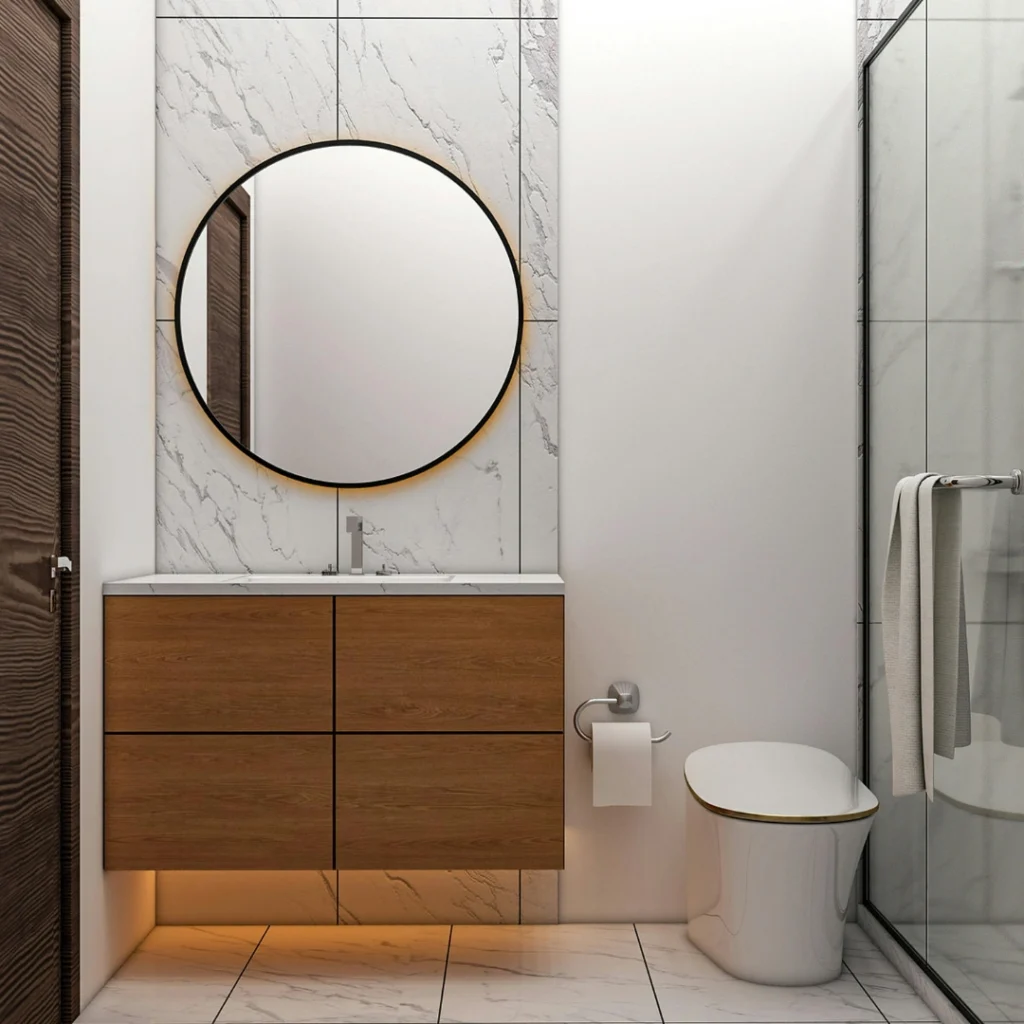
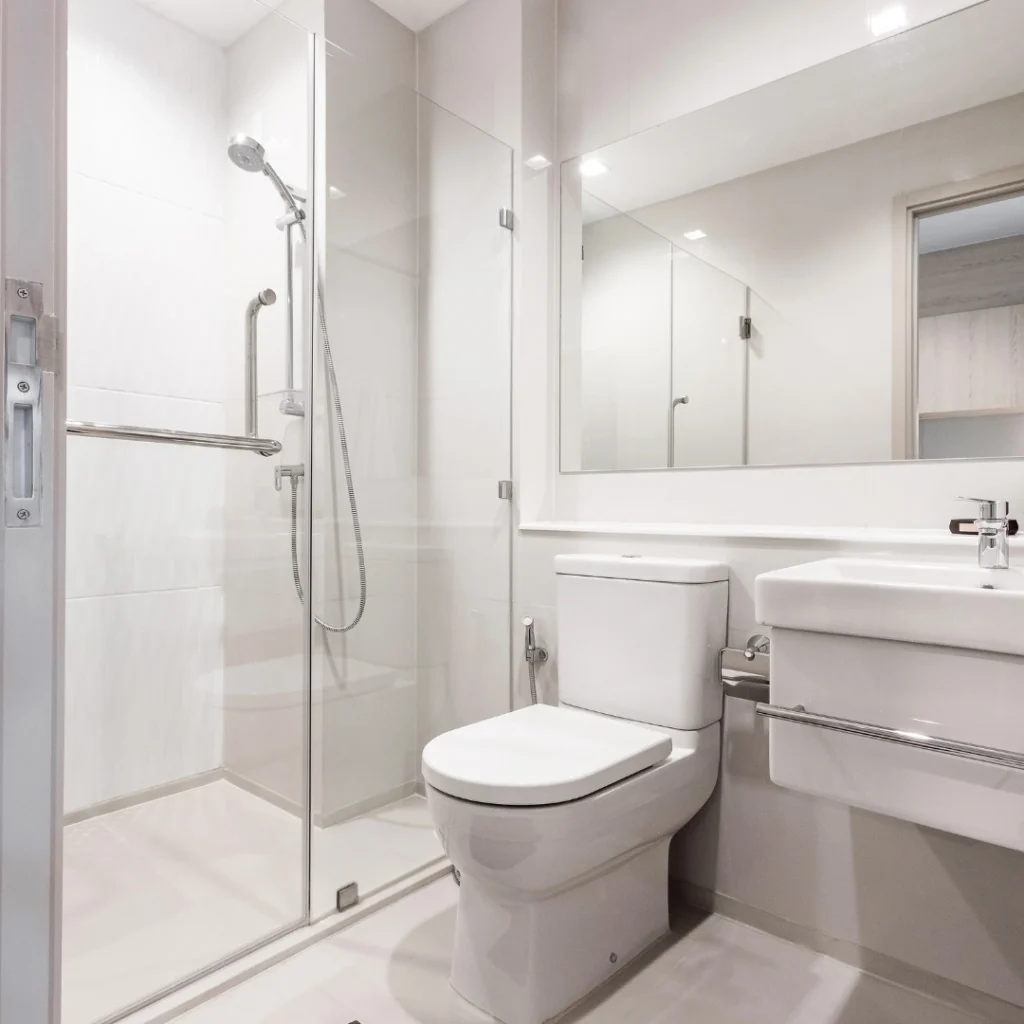
5. Engineered Wood (Bathroom-Rated) – Warm and Stylish
Advances in manufacturing have made certain engineered wood floors suitable for bathrooms.
These products feature layered construction and moisture-resistant coatings.
Key Benefits
- Natural warmth and texture
- Better moisture stability than solid wood
- Works with underfloor heating
- Improves comfort perception
The Wood Flooring Association reports that moisture-resistant engineered timber sales increased by 34% since 2021.
Best For
Homeowners want a spa-like feel with careful moisture management.
6. Microcement Flooring – Seamless and Modern
Microcement is increasingly popular in modern London bathrooms due to its seamless finish.
Applied as a thin coating, it creates a waterproof continuous surface.
Key Benefits
- No grout lines
- Fully waterproof when sealed
- Ideal for wet rooms
- Minimal structural impact
According to RICS renovation surveys, microcement use in residential bathrooms has grown by 27% since 2022.
Best For
Minimalist renovations and contemporary wet-room installations.
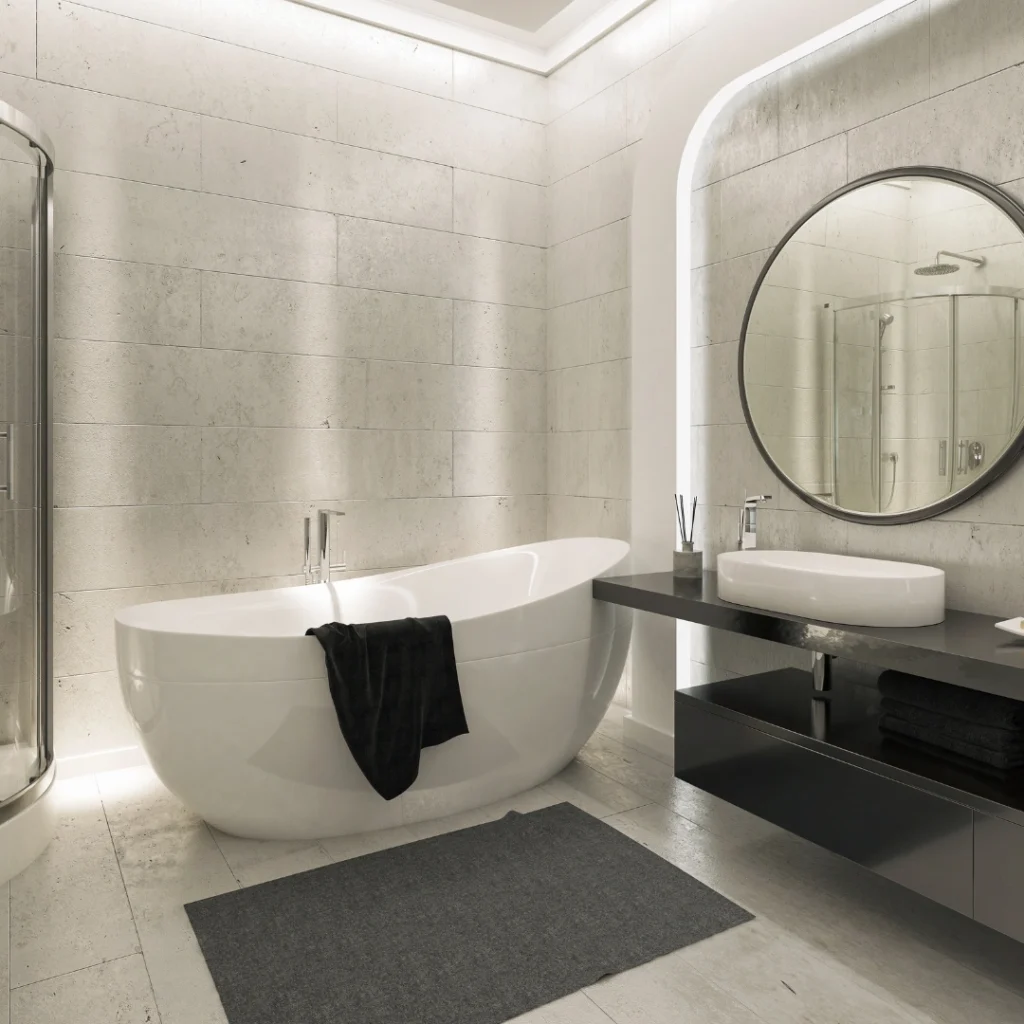
7. Rubber Flooring – Slip-Resistant and Sustainable
Rubber flooring, traditionally used in commercial spaces, is now entering high-end residential bathrooms.
Modern rubber floors are stylish, hygienic, and environmentally friendly.
Key Benefits
- Exceptional slip resistance
- Naturally waterproof
- Antibacterial properties
- High sustainability ratings
WRAP UK reports that recycled rubber flooring can reduce lifecycle carbon emissions by up to 35% compared to ceramic alternatives.
Best For
Safety-focused households and eco-conscious renovations.
How Flooring Choice Impacts Property Value
Bathroom quality directly affects property valuations. According to Zoopla and RICS data, professionally renovated bathrooms can increase UK home values by 4–6%.
High-performance flooring contributes significantly by:
- Improving buyer confidence
- Reducing visible wear
- Enhancing durability perception
- Supporting energy efficiency
For homeowners investing in bathroom renovation Fulham, this represents strong long-term financial value.
Choosing the Right Flooring for Your Bathroom
When selecting bathroom flooring, consider:
- Moisture exposure level
- Slip resistance rating (R9–R13)
- Maintenance requirements
- Subfloor condition
- Budget range
- Heating compatibility
Professional bathroom renovation London specialists evaluate these factors to recommend the most suitable materials.
Build a Bathroom That Lasts
Flooring is the foundation of every successful bathroom renovation. It influences safety, hygiene, comfort, and resale value.
By choosing high-performance materials backed by industry research and professional installation, homeowners can enjoy long-term reliability and peace of mind.
For anyone planning a bathroom renovation in Fulham, investing in the right flooring is one of the smartest decisions you can make.