
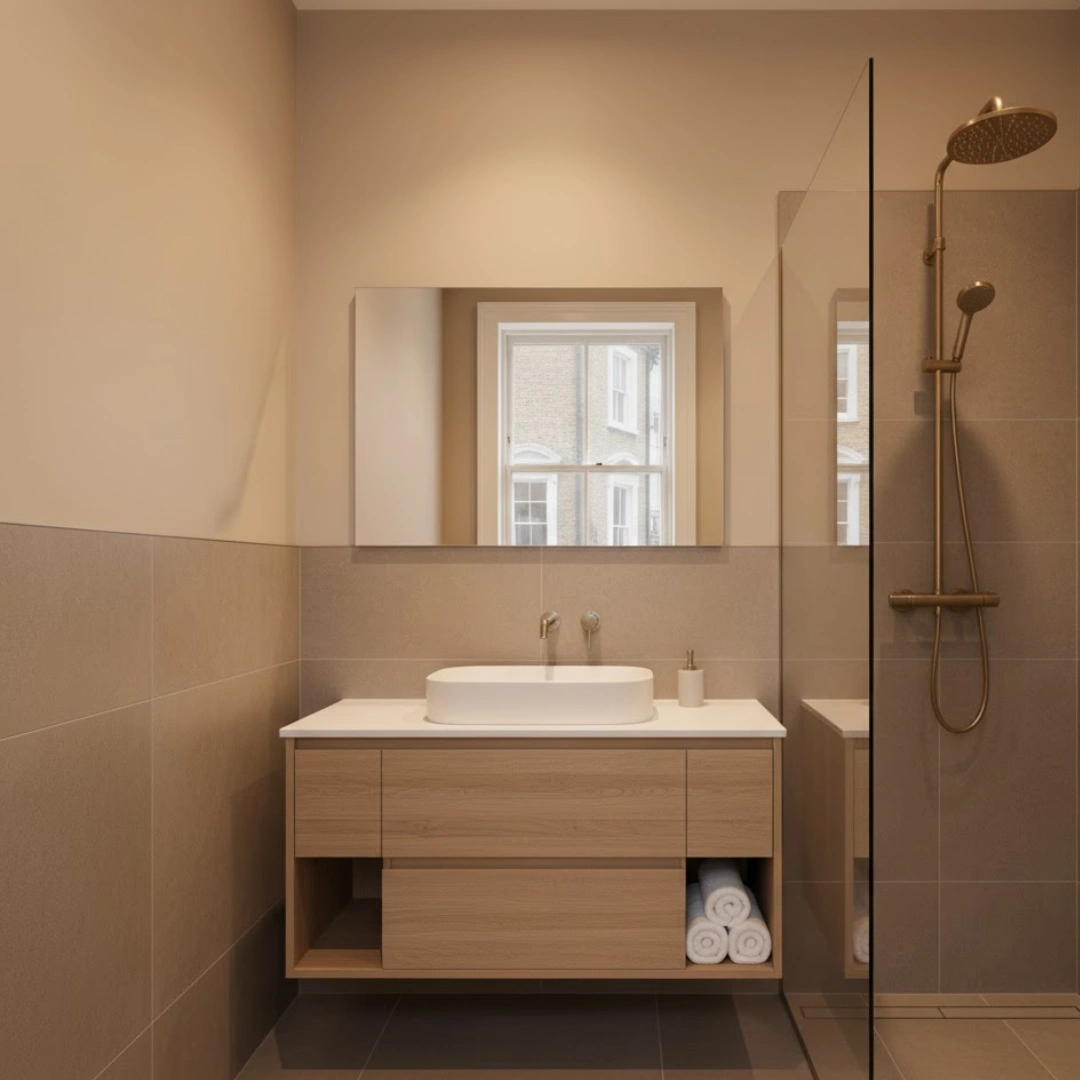
7 Hidden Costs to Watch Out for in Bathroom Installations in Fulham
Bathroom installations in Fulham are one of the most valuable upgrades you can make to a property, but they are also one of the easiest projects for costs to spiral out of control. In areas like Fulham, where many homes are older and space is tight, homeowners are often surprised when the final bill is higher than the original quote.
The reason is rarely dishonesty. More often, it comes down to hidden or poorly explained costs that were not fully understood at the start. According to UK construction dispute data, bathroom projects rank among the top domestic renovations for cost overruns, largely due to missing allowances and unclear scope.
If you’re planning bathroom installations in Fulham, understanding these hidden costs before work begins can save you thousands of pounds, weeks of disruption, and a great deal of stress. This blog breaks down the seven most common hidden costs, backed by UK construction data and industry guidance, so you can plan with confidence and choose the right bathroom specialists in London.
Why Hidden Costs Are Common in Fulham Bathroom Installations
Fulham has a high concentration of Victorian and Edwardian properties, many of which were never designed for modern bathroom layouts. According to housing stock data published by the Office for National Statistics (ONS), older London properties are significantly more likely to require upgrades once renovation work begins.
Bathrooms combine plumbing, electrics, waterproofing, ventilation, and waste management — all governed by UK regulations. When quotes lack detail, these elements often become hidden costs later.
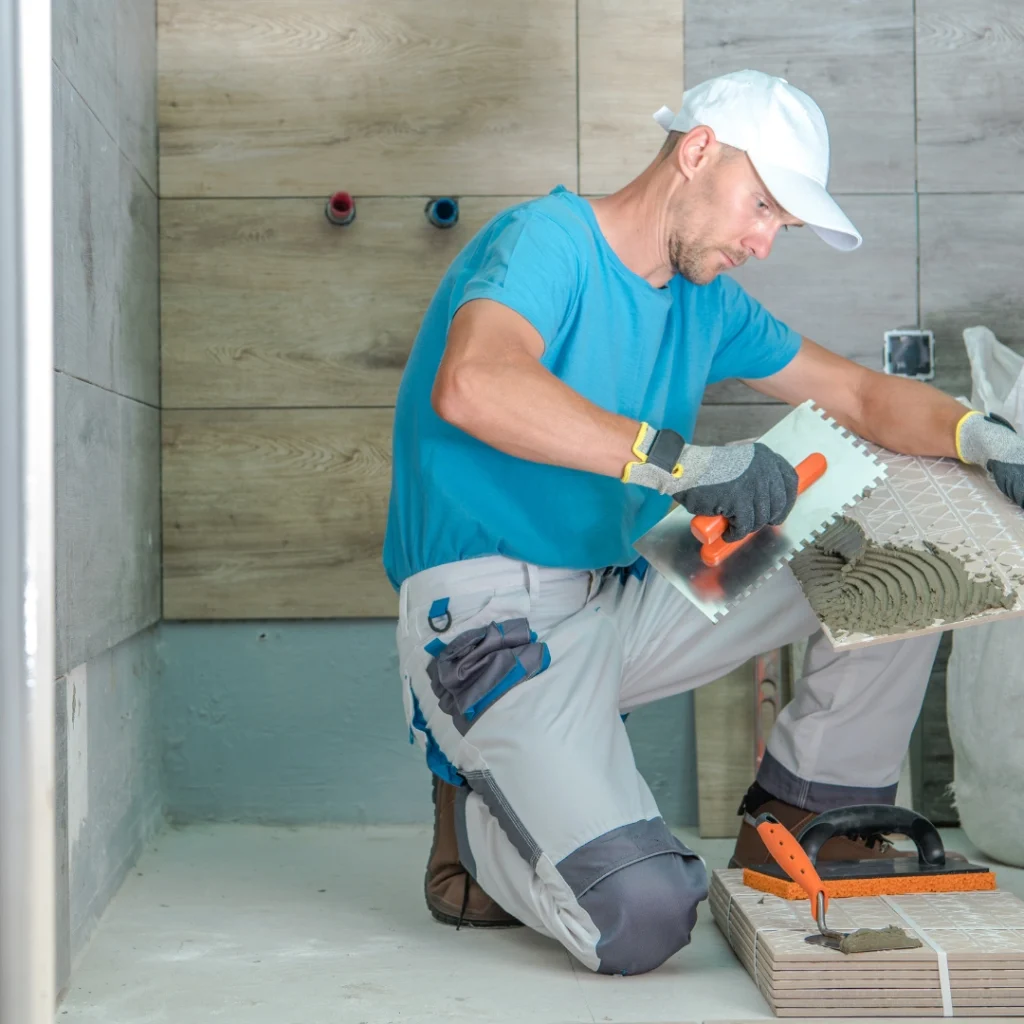
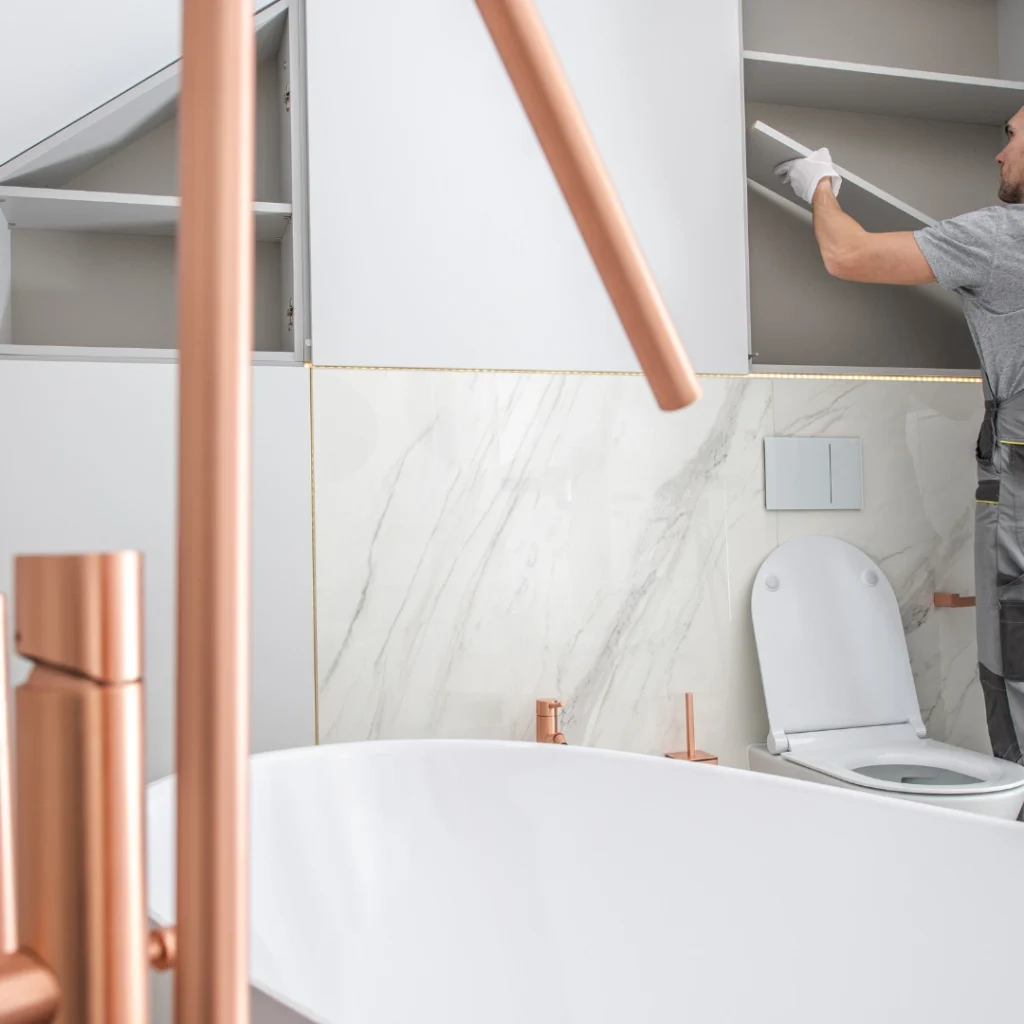
Hidden Cost 1: Plumbing Upgrades Behind Walls and Floors
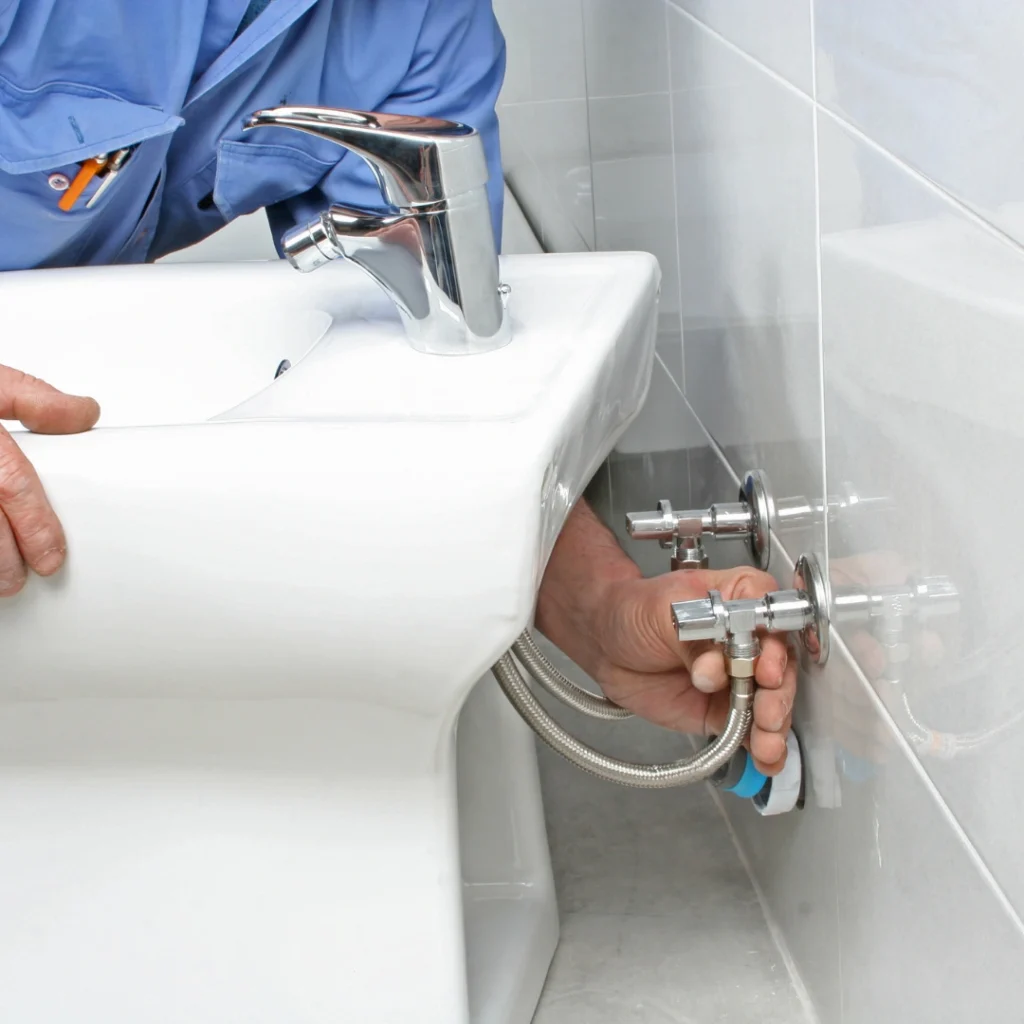
One of the most common surprises during bathroom installations is the condition of existing pipework.
In Fulham homes, it’s not unusual to find:
- Ageing copper or galvanised pipes
- Non-compliant pipe sizing
- Poor water pressure setups
Once walls and floors are opened, plumbing that looked “fine” may need upgrading. According to UK housing repair studies referenced by the ONS, plumbing upgrades are one of the most frequent unplanned renovation costs in older London homes.
If your quote assumes existing pipework can be reused, costs may rise once work begins.
Hidden Cost 2: Electrical Upgrades and Compliance Work
Bathrooms are classified as high-risk electrical zones under UK Building Regulations. Any electrical work must comply with strict safety standards.
Hidden electrical costs often arise when:
- Existing wiring is outdated
- Consumer units need upgrading
- Additional circuits are required
Guidance from UK Building Regulations (Gov.uk) confirms that bathroom electrics must meet specific zoning and certification requirements. Quotes that treat electrical compliance as an “extra” frequently lead to unexpected costs later.
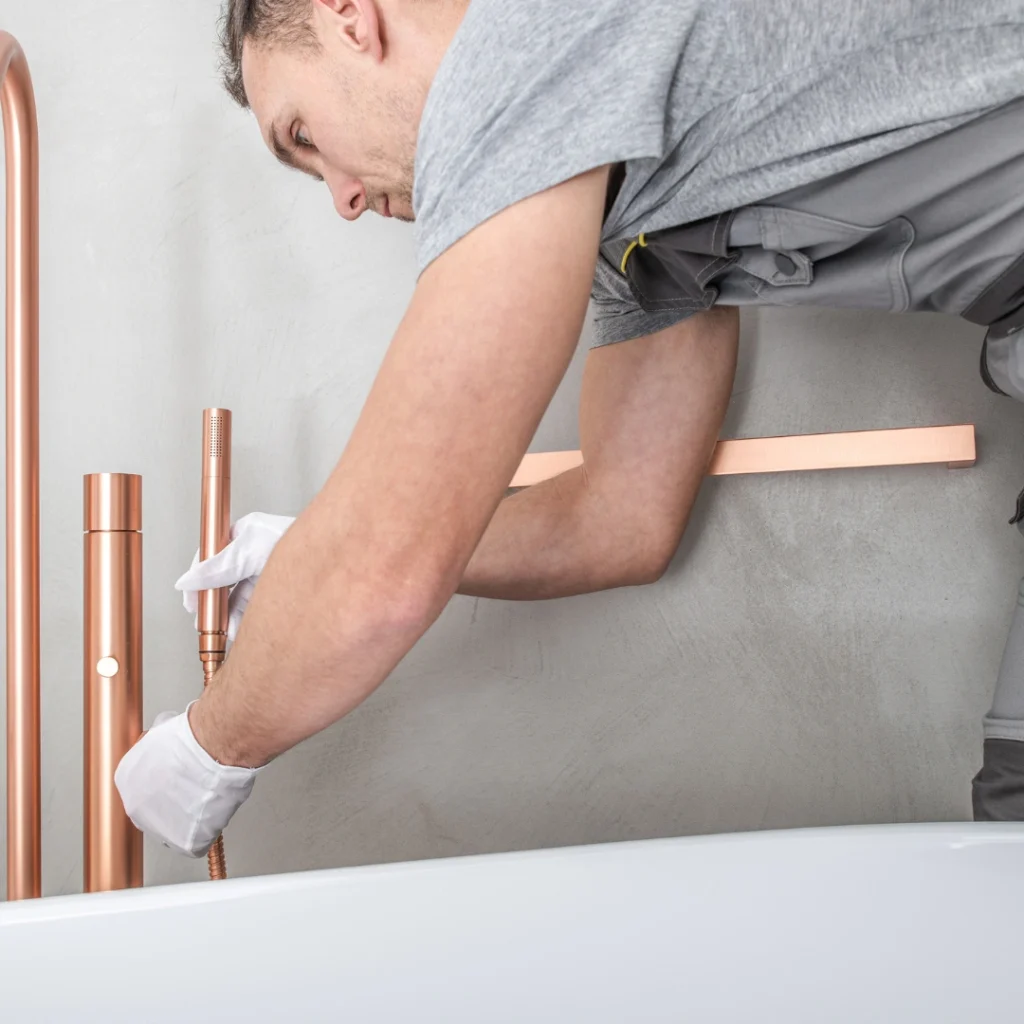
Hidden Cost 3: Waterproofing and Moisture Protection
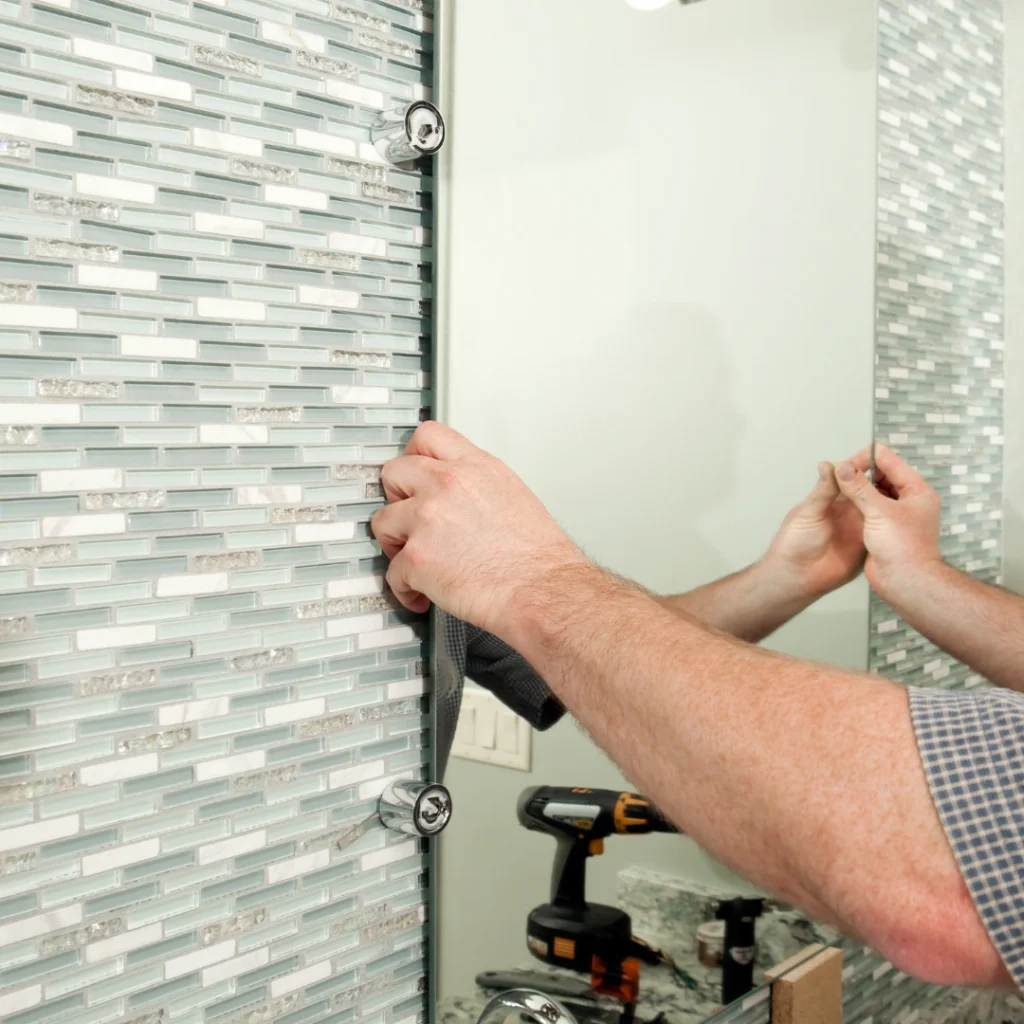
Waterproofing is one of the most critical — and most commonly under-quoted — parts of a bathroom installation.
Industry defect analysis by the NHBC (National House Building Council) identifies water ingress as a leading cause of post-renovation failures, often costing thousands to fix.
Hidden costs occur when:
- Waterproofing is assumed but not specified
- Coverage areas are unclear
- Compliance standards are not documented
A professional bathroom installation quote should clearly define waterproofing scope, not treat it as optional.
Hidden Cost 4: Waste Removal and Legal Disposal Fees
Bathroom installations generate heavy waste, including tiles, sanitaryware, plasterboard, and packaging.
In London, waste disposal is tightly regulated. Local councils impose strict rules on how construction waste is handled, and improper disposal can result in fines.
According to guidance from local authority environmental services, renovation waste must be disposed of legally and often off-site. If waste removal is not clearly included in your quote, disposal fees can quickly add up.
Hidden Cost 5: Structural Adjustments and Subfloor Repairs
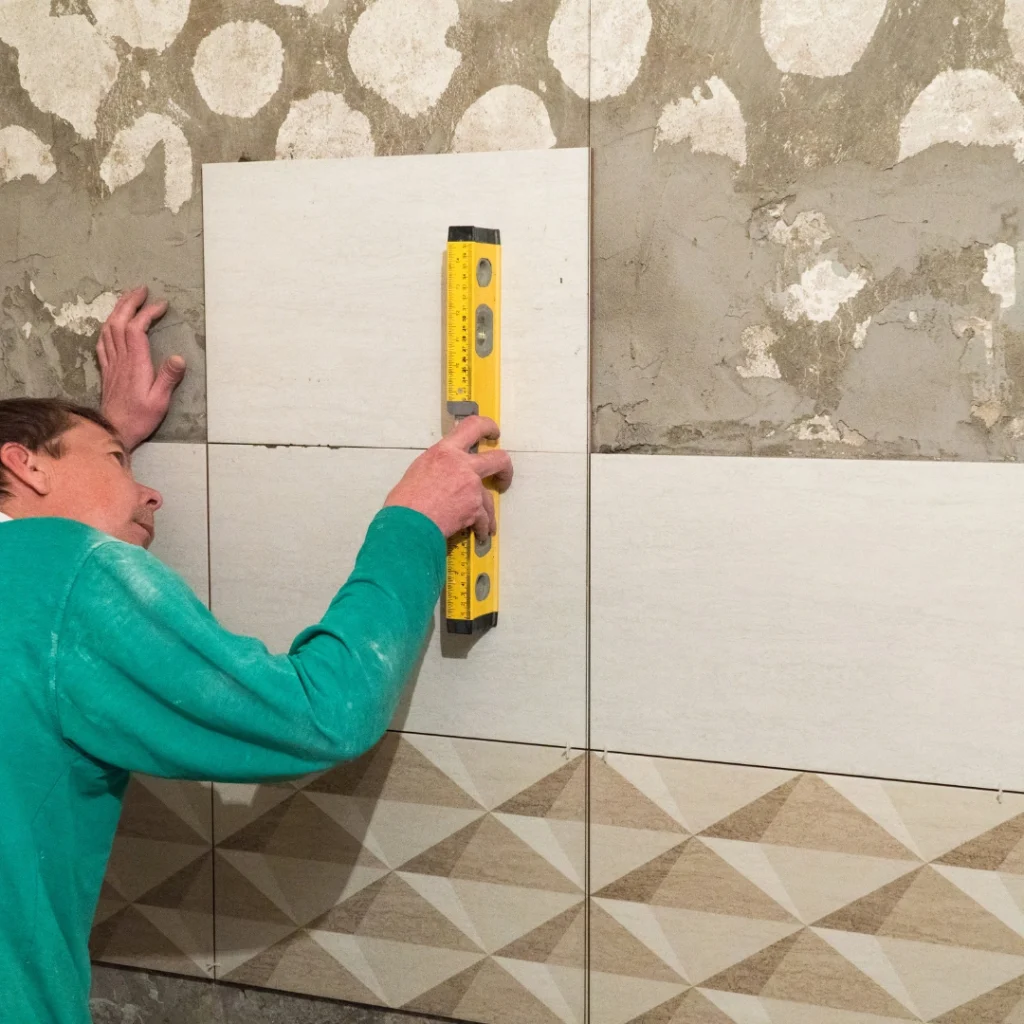
Bathrooms often reveal hidden structural issues once strip-out begins.
Common problems include:
- Rotten floorboards
- Uneven subfloors
- Weak joists around baths or showers
Construction repair data shows that subfloor issues are especially common in older properties. Quotes that assume “sound structure” may not account for the cost of necessary reinforcements.
This is a frequent hidden cost in bathroom installations in Fulham due to the age of local housing stock.
Hidden Cost 6: Ventilation and Moisture Control Requirements
Modern building standards require effective bathroom ventilation to prevent mould and condensation.
Hidden ventilation costs arise when:
- Existing fans are inadequate
- External venting is required
- Additional electrical work is needed
According to UK Building Regulations, ventilation is mandatory in bathrooms without opening windows and strongly recommended even where windows exist. Quotes that overlook ventilation often lead to compliance upgrades later.
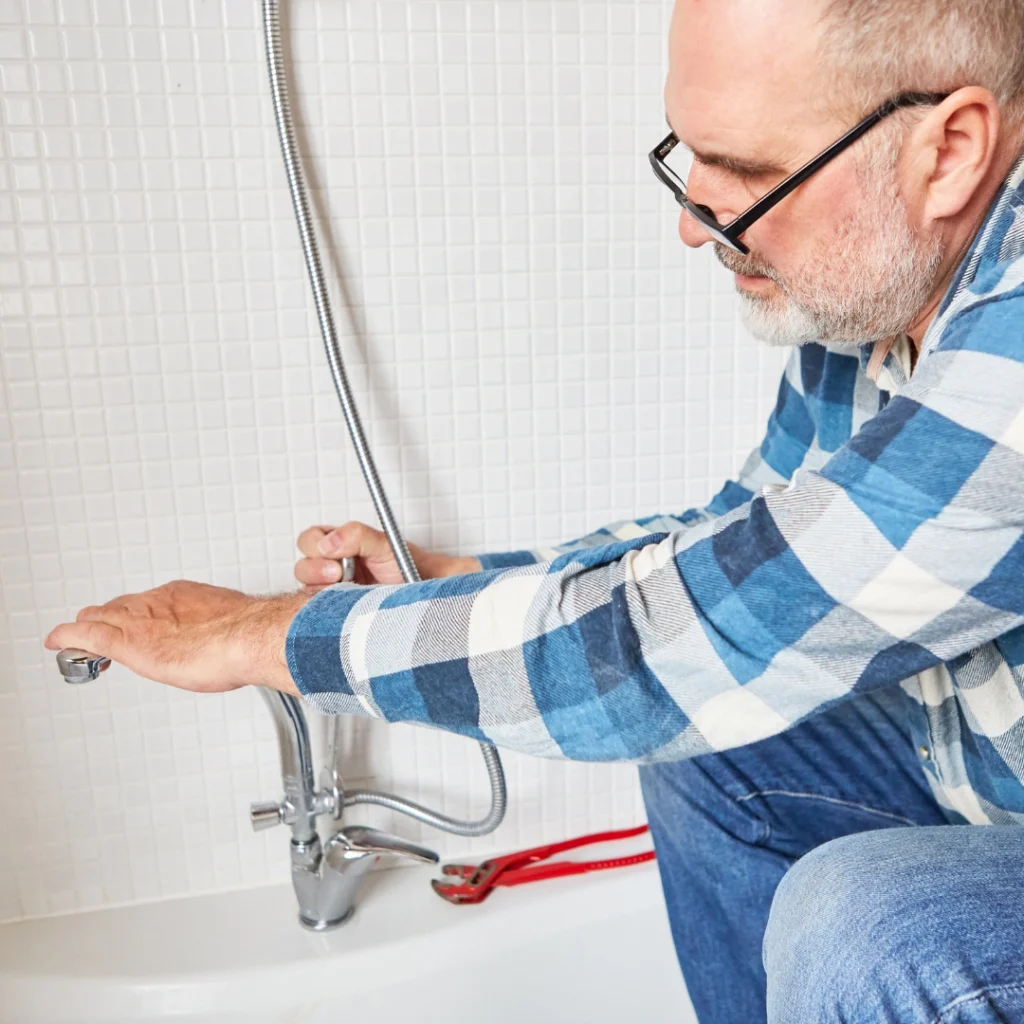
Hidden Cost 7: Variations and Mid-Project Changes
Even well-planned bathroom projects can change once work is underway. Common triggers include:
- Discovering hidden damage
- Changing fixture selections
- Adjusting layouts for practicality
Industry contract analysis shows that disputes most often arise when variation processes are unclear. If your quote does not explain how changes are priced and approved, additional costs can escalate quickly.
How These Hidden Costs Add Up
Individually, these costs may seem manageable. Combined, they can increase the total cost of a bathroom installation by 20–40%, according to UK renovation cost studies.
Most homeowners don’t overspend because they choose the wrong bathroom. They overspend because they choose a quote that lacked clarity.
How to Protect Your Budget When Hiring Bathroom Specialists London
To minimise hidden costs:
- Request a detailed, itemised quote
- Ask what assumptions the price is based on
- Confirm inclusions and exclusions in writing
- Clarify how variations are handled
- Choose experienced bathroom specialists in London with local knowledge
Professionals welcome these questions because they reduce disputes later.
Why Local Experience Matters in Fulham
Fulham properties often come with shared walls, access constraints, and older services. Builders without local experience may underestimate:
- Strip-out complexity
- Waste handling logistics
- Compliance requirements
Experienced bathroom installation Fulham specialists understand these realities and price accordingly, reducing surprises.
Comparing Quotes the Right Way
When reviewing quotes, don’t just compare totals. Compare:
- Level of detail
- Transparency of assumptions
- Clarity on compliance work
A higher but clearer quote often delivers better value than a cheaper, vague alternative.
Final Thoughts
Hidden costs are the biggest source of frustration in bathroom projects, but they are also the most avoidable. When your quote clearly addresses these seven areas, you gain control over your budget and timeline.
For anyone planning bathroom installations in Fulham, working with experienced, transparent bathroom specialists in London is the smartest way to achieve a smooth renovation with no unpleasant surprises.
Frequently Asked Questions (FAQs)
1. What are the most common hidden costs in bathroom installations Fulham?
The most common hidden costs include plumbing upgrades, electrical compliance work, waterproofing, waste disposal, subfloor repairs, ventilation upgrades, and mid-project variations.
2. Why do bathroom installation costs increase once work starts?
Costs usually increase when hidden issues are uncovered behind walls or floors, such as outdated pipework, unsafe electrics, or structural repairs not visible at quote stage.
3. Are plumbing upgrades included in bathroom installation quotes?
Not always. Some quotes assume existing pipework can be reused. In older Fulham properties, plumbing upgrades are often required and should be clarified in advance.
4. Is waterproofing always included in bathroom installation Fulham quotes?
No. Waterproofing is sometimes treated as an optional extra. A professional quote should clearly specify waterproofing areas and compliance with UK standards.
5. Do bathroom installations include waste removal in London?
Some quotes include basic waste removal, while others charge separately. London councils enforce strict waste disposal rules, which can add unexpected costs if not included.
6. Why is ventilation important in bathroom installations?
Proper ventilation prevents condensation, mould, and moisture damage. UK Building Regulations require adequate bathroom ventilation, which can add costs if upgrades are needed.
7. How are variations handled during bathroom installations?
Variations should be priced separately, approved in writing, and clearly documented. Unclear variation processes are a common cause of budget overruns.
8. How can I avoid hidden costs in bathroom installations Fulham?
Request a detailed, itemised quote, confirm assumptions, ask about exclusions, clarify variation handling, and choose experienced bathroom specialists London.
9. Do local bathroom specialists in London reduce hidden costs?
Yes. Bathroom specialists London with Fulham experience understand local property types and common issues, allowing for more accurate quoting.
10. Is a higher quote always bad value?
Not necessarily. A higher but detailed quote often includes compliance work and realistic allowances, reducing the risk of surprise costs later.