
Bathroom Fitting Cost in Swiss Cottage: Are You Paying for More Than You Need?
Planning a bathroom upgrade can be exciting, but the bathroom fitting cost Swiss Cottage homeowners face can vary widely. The final price depends on the size of your bathroom, the materials you choose, the amount of labour required, and whether your existing plumbing needs changing. Understanding these costs before work begins can help you avoid unnecessary spending without sacrificing quality.
How Much Does Bathroom Fitting Cost in Swiss Cottage?
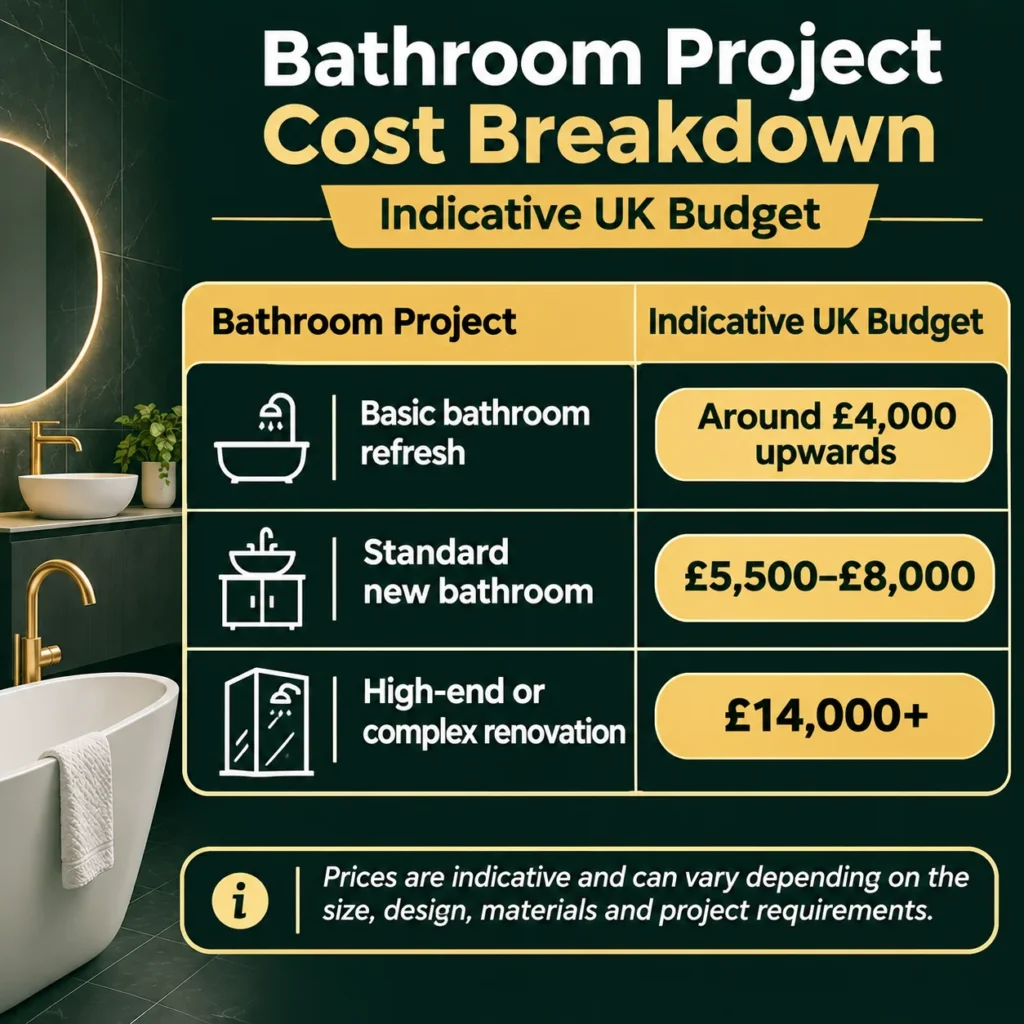
There is no single price for every bathroom. As a UK-wide benchmark, Checkatrade’s 2026 cost guide estimates that a new bathroom typically costs around £5,500–£8,000, including materials, with an average of approximately £7,000. Complex or high-end projects can cost considerably more.
These figures are useful for planning, but they are not a fixed Swiss Cottage price list. Your property, design choices and contractor’s quotation will determine the actual cost.
Bathroom project | Indicative UK budget |
Basic bathroom refresh | Around £4,000 upwards |
Standard new bathroom | £5,500–£8,000 |
High-end or complex renovation | £14,000+ |
A simple refresh may involve replacing a basin, toilet, taps or shower screen. A full renovation could also require new pipework, extensive tiling, electrical work and repairs beneath the old fittings.
The key is to pay for the work your bathroom actually needs, rather than the most expensive package available.
What Are You Really Paying For?
Your quotation should explain the main parts of the project. Labour is only one part of the total cost.
Labour and installation
Labour covers tasks such as removing old fittings, installing sanitaryware, connecting plumbing, laying tiles and sealing joints. Checkatrade estimates typical bathroom fitting labour at around £1,500–£3,000, depending on the job.
A lower quote is not automatically better. Check whether it includes preparation, finishing, waste removal and coordination of specialist trades.
Fixtures, tiles and materials
A premium toilet, designer tap or large-format tile can increase your budget quickly. However, a practical mid-range product may offer the appearance and durability you need without the extra expense.
Choose materials based on daily use, ease of cleaning and suitability for wet areas. Ask for product prices separately so you can see where your money is going.
Plumbing and electrical work
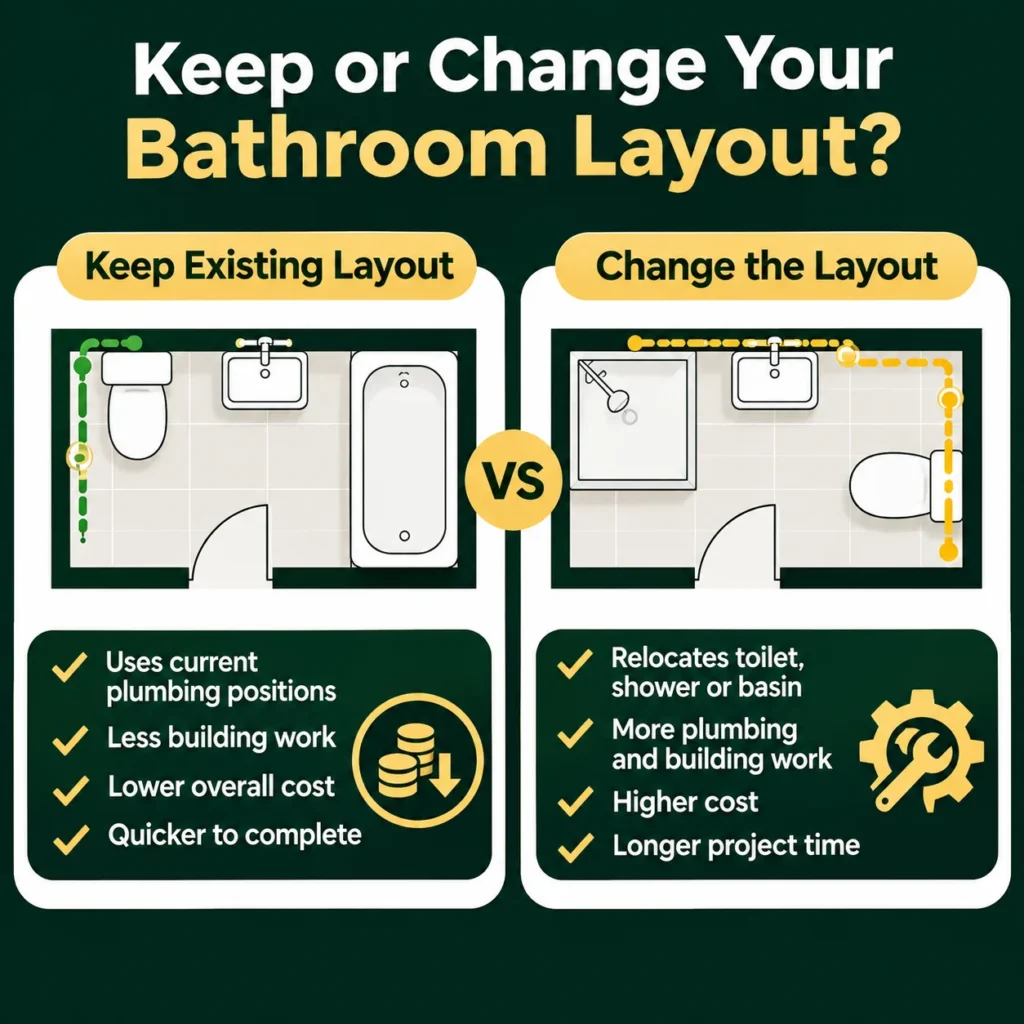
Moving a toilet, bath or shower can require changes to water pipes and drainage. New lighting, extractor fans or electrical upgrades may also add to the bill.
Keeping existing fittings in their current positions, where practical, is often a straightforward way to control labour costs.
Bathroom Fitting Cost Swiss Cottage: Where Can You Save?
You do not need to choose the cheapest products or cut corners on essential work to keep your renovation affordable. A better approach is to identify which changes will make a real difference to your bathroom.
Keep the layout where possible
Moving a toilet or shower may look like a small design decision, but it can involve extra plumbing, flooring work and repairs. If your current layout works well, keeping it could free up money for better taps, storage or lighting.
Compare materials before ordering
Ask for two or three options for tiles, taps, basins and shower fittings. Compare the complete cost, including delivery and installation requirements, rather than looking at the shelf price alone.
Avoid unnecessary luxury features
Underfloor heating, bespoke cabinets, concealed fittings and specialist finishes can look attractive. However, if your main goal is a clean, modern bathroom, these extras may not be essential.
Prioritise good waterproofing, reliable plumbing, effective ventilation and quality installation before spending on decorative upgrades.
Agree on the work before it starts
Ask your installer for a written quotation that lists the work, materials, exclusions, payment stages and arrangements for unexpected repairs. If you change the design during installation, request the revised price in writing before approving the extra work.
Hidden Bathroom Costs You Should Check
An attractive initial quotation can become expensive if important items are excluded.
Potential extra | What to ask |
Removing the old bathroom | Is removal and disposal included? |
Damaged flooring or walls | How will unexpected repairs be priced? |
Old plumbing | Are necessary pipe repairs included? |
Electrical upgrades | Is a qualified electrician required? |
Tiling and preparation | Are adhesive, grout and surface preparation included? |
VAT and finishing | Is VAT applicable, and is decoration included? |
For example, imagine one installer quotes £5,500 and another quotes £6,200. The cheaper option may exclude waste removal, wall repairs and final decoration, while the higher quote includes them. Once you add those missing items, the difference could shrink or disappear.
This is why comparing the complete scope of work is more useful than choosing a contractor by the headline price alone.
Do You Need Building Regulations Approval?
Not every bathroom replacement requires building regulations approval. The Planning Portal’s guidance on kitchens and bathrooms explains that replacing existing units and fittings generally does not require approval, although certain drainage or electrical work may.
Creating a bathroom where there was none before is more likely to require approval because ventilation, drainage, structural safety and other requirements must be considered.
Electrical work near a bath or shower needs particular care. Ask who will carry out the work and whether any necessary certification or building control arrangements are included. The UK Government’s building regulations guidance provides further information.
Never save money by skipping essential safety measures or waterproofing. A small saving today can lead to costly leaks, damaged finishes or repairs later.
How to Choose Bathroom Fitters in London
When comparing bathroom fitters London homeowners can hire, look beyond price. Ask for examples of similar completed projects, recent customer references and confirmation of appropriate insurance.
A good installer should explain the proposed work in plain English, answer questions openly and identify possible problems before giving a final price where reasonably possible. You should also know who is responsible for coordinating plumbing, tiling and electrical work.
If you are renovating a flat in Swiss Cottage, check access arrangements, parking, working hours and any building management requirements before agreeing on a start date. These practical details can affect both the schedule and the overall cost.
Plan Your Bathroom Budget Before Booking
Start by listing what needs replacing, what can stay and which improvements matter most. Obtain itemised quotations, compare equivalent materials and keep a sensible contingency for unexpected problems uncovered during removal.
A well-planned bathroom does not need every premium feature. It needs a practical layout, suitable materials, safe installation and a finish that meets your everyday needs.
What would you most like to improve in your Swiss Cottage bathroom, and do you already have a budget in mind?
Frequently Asked Questions
1. How much does bathroom fitting cost in Swiss Cottage?
The cost depends on the room’s size, the fixtures you select and the work involved. As a UK-wide guide, a standard new bathroom may cost around £5,500–£8,000, including materials, but local quotations can differ.
2. How much do bathroom fitters charge for labour?
Bathroom fitting labour can range from approximately £1,500 to £3,000 for a complete installation, according to Checkatrade’s 2026 guide. The price depends on the complexity of the project and the trades required.
3. Is it cheaper to renovate a bathroom or replace everything?
Keeping suitable existing fixtures and replacing only worn or outdated items is usually cheaper than a complete renovation. However, hidden damage or failing plumbing may make additional work necessary.
4. What is the most expensive part of bathroom fitting?
Labour, plumbing alterations, tiling and premium fixtures can account for a large share of the budget. The most expensive element varies according to the room’s condition and the design you choose.
5. How can I reduce bathroom renovation costs?
Keep the existing layout where practical, compare material prices and avoid features you do not need. Request itemised quotations so you can identify unnecessary expenses without cutting corners on safety.
6. How long does it take to fit a new bathroom?
A typical complete bathroom installation may take around five to ten days, depending on the scope of work. Structural repairs, complex tiling, plumbing changes and delivery delays can extend the schedule.
7. Do bathroom fitting quotes include materials?
Some quotations include materials, while others cover labour only. Always check whether fixtures, tiles, adhesives, grout, waste removal, finishing work and applicable VAT are included.
8. Can I change my bathroom layout to save space?
Yes, a new layout can improve storage and movement in a small bathroom. However, moving plumbing and drainage may increase costs, so compare the benefits with the extra installation work.
9. Do I need building regulations approval for bathroom renovations?
Replacing existing bathroom fittings generally does not require building regulations approval, but certain drainage and electrical works may. Creating a new bathroom can require approval, so check the applicable requirements before work begins.
10. How do I choose reliable bathroom fitters in London?
Compare written quotations, relevant experience, insurance and examples of completed projects. Confirm the work schedule, payment terms, exclusions and responsibility for specialist plumbing or electrical work before signing an agreement.