
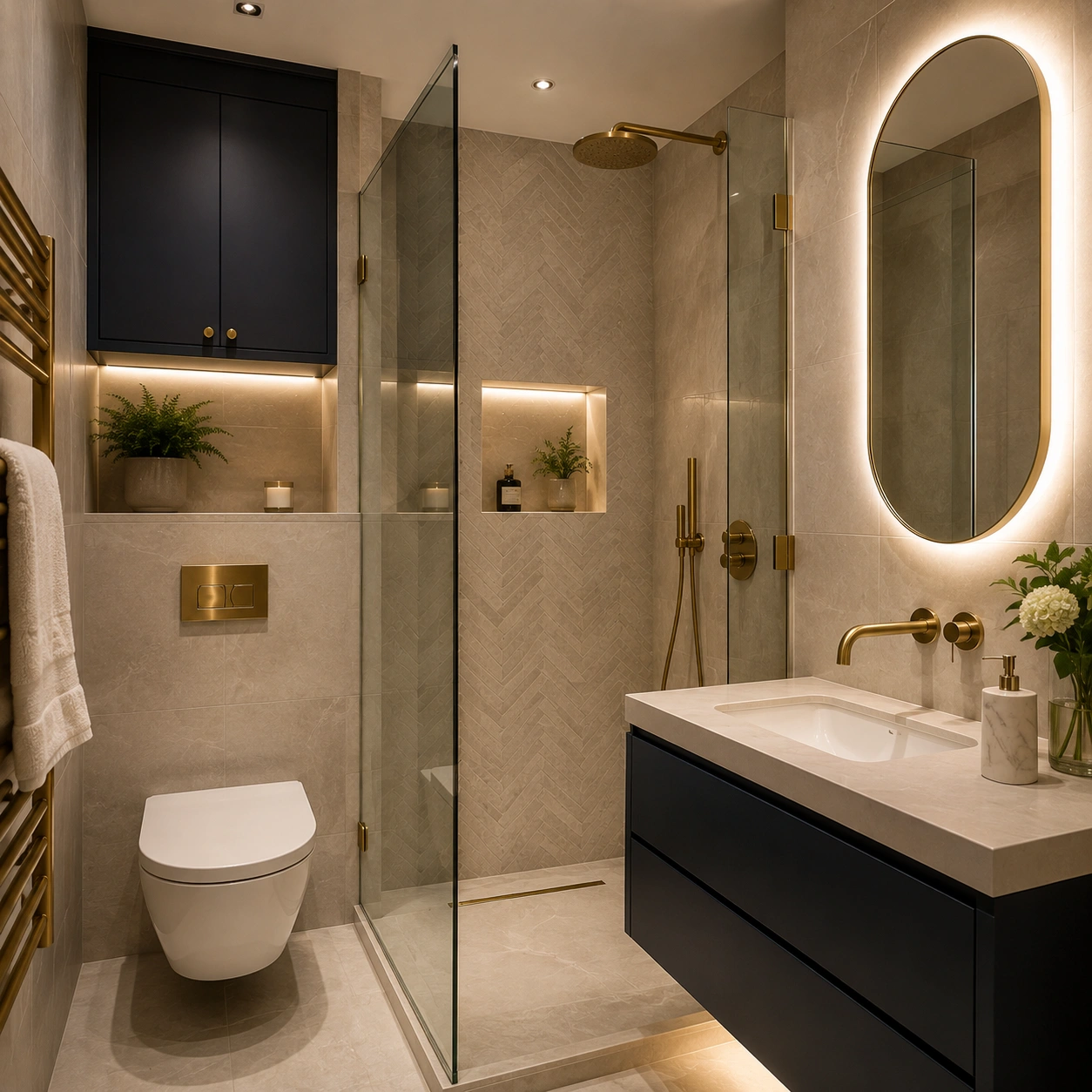
Luxury Bathroom Renovations in Fulham: What Defines Luxury?
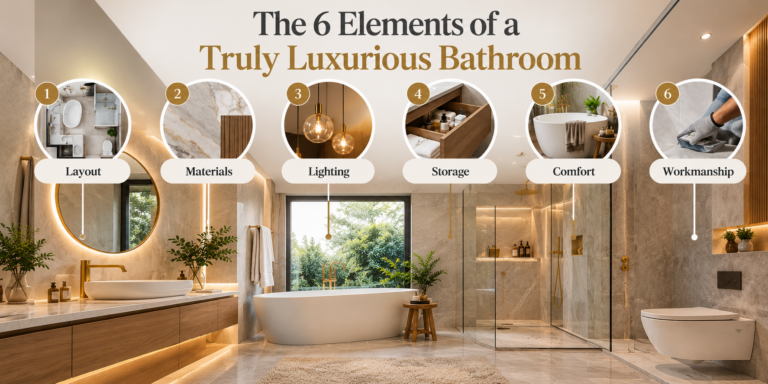
A truly luxurious bathroom is not simply a room filled with expensive fittings. The best high end bathroom renovations in Fulham homeowners invest in combine thoughtful planning, quality materials, excellent lighting, practical storage, comfort and precise installation. The result should feel calm and effortless to use every day, not just impressive when photographed. This matters particularly in Fulham, where homes can range from period terraces and converted properties to contemporary apartments. A successful renovation needs to work with the building, available space and the way the household actually uses the bathroom.
What Makes a Bathroom Feel Truly Luxurious?
Luxury starts with experience rather than price.
A well-designed bathroom should feel spacious, comfortable and easy to use. Fixtures should have enough room around them, storage should be convenient, lighting should suit different activities and surfaces should be easy to maintain.
Current UK bathroom research supports this shift towards practical luxury. Houzz’s 2025 UK Bathroom Trends Study found that 77% of respondents prioritised a bathroom that was easy to clean. The same study found that 58% increased the size of their main shower during renovation.
This suggests that luxury is increasingly about removing everyday frustrations. A larger shower, concealed storage, better lighting and carefully selected finishes can have more impact than simply choosing the most expensive tap.
One or two heritage features can give the room personality. Repeating decorative details throughout can make it feel themed.
Premium Materials That Make a Difference
Materials influence how a bathroom looks, feels and performs over time.
Natural stone, large-format porcelain, quality brassware, engineered surfaces, timber-effect cabinetry and carefully matched wall and floor finishes can create a sophisticated appearance. However, premium does not automatically mean better. A material must also be suitable for a humid environment and appropriate for the cleaning routine of the household.
Current design interest is moving towards tactile, natural-looking finishes. Houzz reported rising interest in materials such as marble, natural stone and other richer finishes, while its 2026 UK Emerging Trends Report highlights growing interest in tactile, organic interiors.
The better question is therefore not “What is the most expensive material?” but “Which material gives this room the right combination of appearance, durability and maintenance?”
Why Layout Matters More Than Expensive Fixtures
A £2,000 basin cannot rescue a badly planned bathroom.
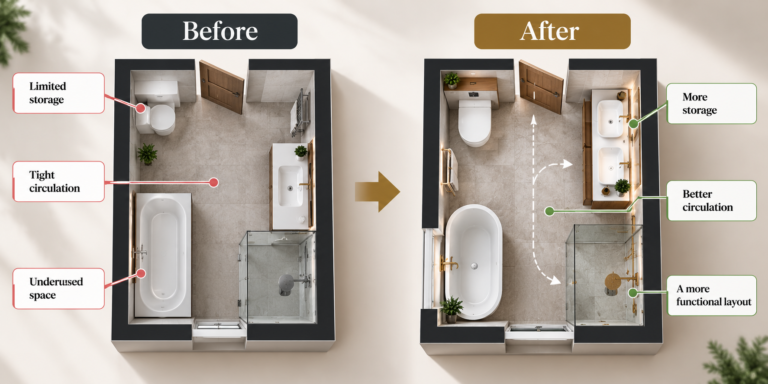
Before choosing fittings, consider the position of the shower, bath, toilet, basin, door, windows, storage and towel rails. Moving plumbing may increase project costs, but it can sometimes create a much better layout.
A good design also considers how people move through the room. For example, a family bathroom may benefit from generous shower access and concealed storage, while an ensuite may prioritise a walk-in shower, wall-hung toilet and double vanity where space permits.
For high end bathroom renovations in Fulham, the existing structure is particularly important. Older properties may contain awkward pipe routes, uneven floors or restricted access that need to be identified before finalising the design.
Creating Luxury in a Small Bathroom
Limited floor space does not prevent a high-end result.
The principles used for small luxury bathrooms London homeowners often want are simple: reduce visual clutter, use the available walls intelligently and choose fittings that suit the scale of the room.
Wall-hung toilets and vanity units can create more visible floor area. Large-format tiles can reduce the number of grout lines, while a clear-glass shower enclosure can help maintain visual openness.
Mirrors can also make a compact room feel larger, particularly when combined with carefully positioned lighting. However, covering every wall with reflective surfaces is rarely necessary. The goal is balance.
A useful rule is to spend more on the elements you touch or use every day, such as the shower, basin, taps and storage, rather than adding expensive features simply because they are fashionable.
Lighting, Ventilation and Comfort
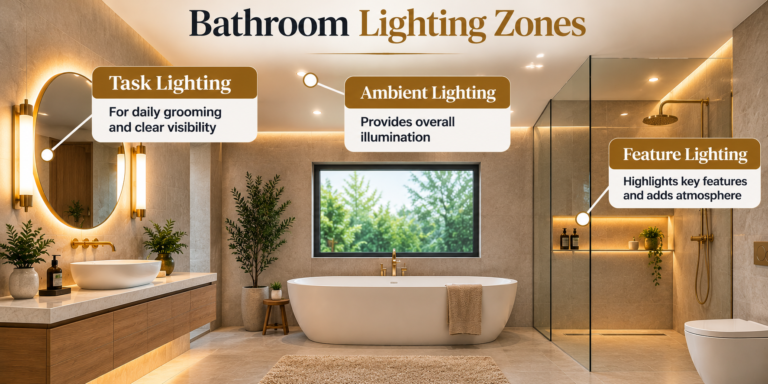
Lighting is one of the easiest ways to change how a bathroom feels.
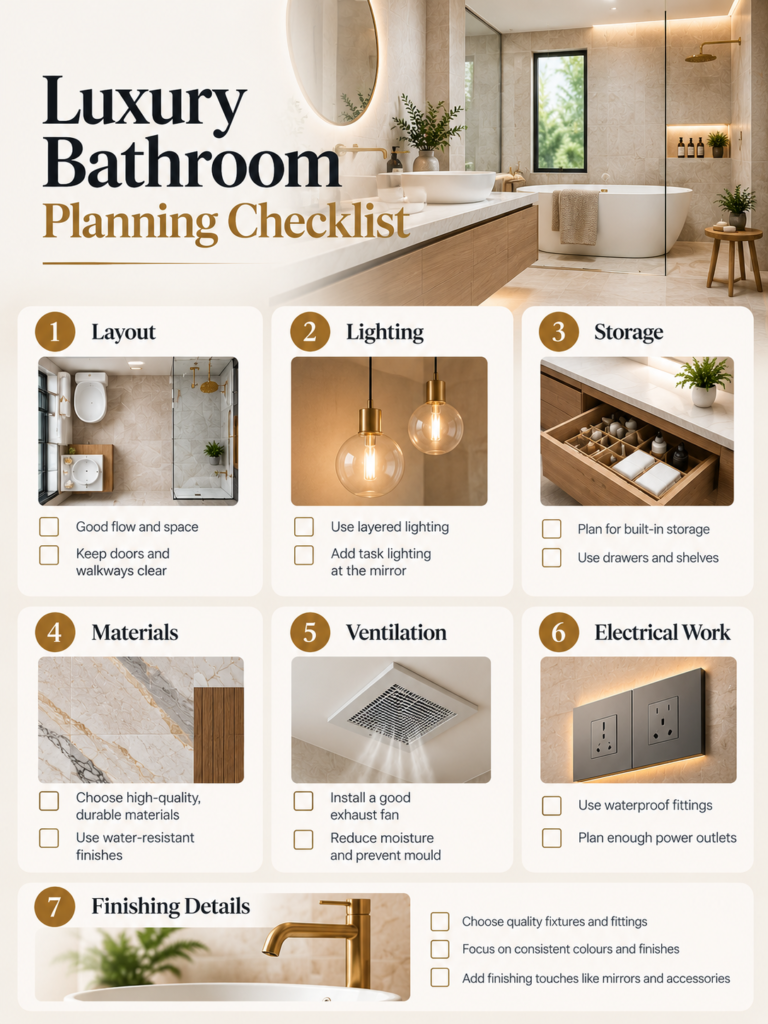
Instead of relying on one central ceiling light, consider general illumination alongside task lighting around mirrors and softer lighting for evening use. The positioning of the lights matters as much as their appearance.
Ventilation is equally important. Bathrooms produce significant moisture, so effective ventilation helps remove water vapour and supports a healthier indoor environment. The current 2026 Approved Document F provides guidance for meeting Part F ventilation requirements in England.
Underfloor heating, heated towel rails and a well-designed shower can also add comfort. Luxury should be felt as well as seen.
Smart Technology Worth Considering
Technology can add convenience, but it should have a purpose.
Digital shower controls can provide more precise temperature management. Heated mirrors can reduce condensation, while smart lighting can provide different settings for morning preparation and evening relaxation.
Some homeowners may also consider sensor-controlled features or smart toilets. These can be worthwhile when they solve a genuine need, but technology should not dominate the design.
The best luxury bathrooms usually hide technical complexity behind a clean visual finish.
Safety and Building Regulations
Luxury should never compromise safety.
Bathroom electrical work must comply with the relevant Building Regulations. GOV.UK specifically identifies alterations to electrical installations around baths or showers as work that may require notification, while competent-person schemes cover relevant bathroom and electrical installations.
Ventilation, sanitation, water efficiency and hot-water safety are also covered by the Building Regulations. Approved Document G provides current guidance covering bathrooms, washing facilities, water efficiency and hot-water safety.
Fulham also has a significant number of conservation areas and listed buildings. Hammersmith & Fulham Council identifies 44 conservation areas in the borough, so owners of heritage properties should establish whether proposed work requires additional approval. Listed-building alterations affecting historic character can require Listed Building Consent.
Common Luxury Bathroom Mistakes
One common mistake is choosing fixtures before establishing the layout. This can leave insufficient circulation space or create expensive plumbing changes later.
Another is prioritising appearance over maintenance. Glossy surfaces, complicated detailing and hard-to-reach features may look impressive initially but can become frustrating to clean.
Poor ventilation is another frequent oversight. A beautiful bathroom can still develop condensation and moisture problems if airflow has not been properly considered.
Finally, cutting corners during installation can undermine expensive materials. Premium tiles and fittings cannot compensate for poor waterproofing, inaccurate setting-out or inadequate finishing.
How Much Does a Luxury Bathroom Renovation Cost?
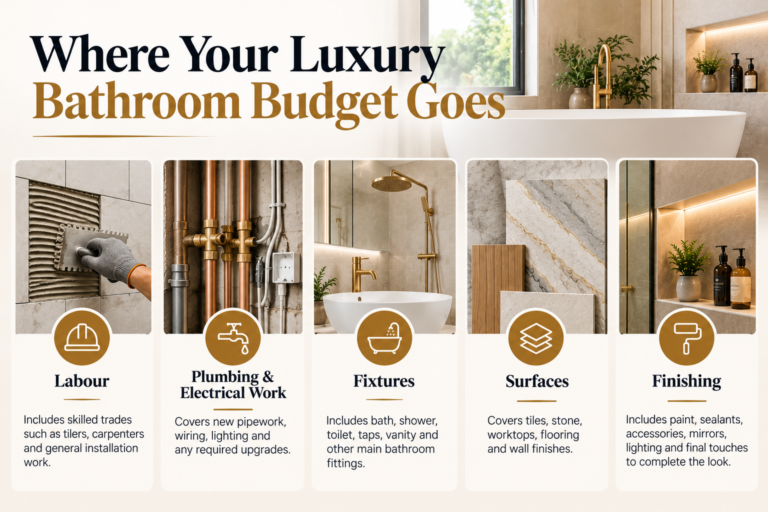
There is no reliable single price for a luxury bathroom because the final cost depends on room size, structural work, plumbing changes, electrical requirements, ventilation, materials, fixtures and labour.
A straightforward refurbishment using existing plumbing may cost considerably less than a complete redesign involving relocated drainage, bespoke cabinetry, premium stone and specialist lighting.
When comparing quotations, look beyond the headline figure. Ask whether design work, preparation, plumbing, electrical installation, waterproofing, tiling, waste removal, finishing and commissioning are included.
For homeowners considering high end bathroom renovations in Fulham, a detailed site assessment can reveal potential problems before materials are ordered and help produce a more realistic project budget.
If you are planning high end bathroom renovations in Fulham, which matters most to you: a spa-style shower, statement bath, premium materials, smarter storage or a completely redesigned layout?
Frequently Asked Questions
1. What makes a bathroom look luxurious?
A luxurious bathroom combines good proportions, quality materials, attractive lighting, comfortable fittings and a clutter-free layout. The overall design should feel coordinated rather than simply expensive.c
2. Are high-end bathroom renovations worth the money?
They can be worthwhile when investment is focused on quality installation, durable materials and features that improve everyday use. Spending more does not automatically guarantee a better bathroom.
3. Can a small bathroom look luxurious?
Yes. A compact bathroom can feel high-end through intelligent storage, large-format surfaces, good lighting, clear-glass shower screens and appropriately scaled fittings. The key is to make every part of the room work efficiently.
4. What are popular luxury bathroom features?
Walk-in showers, larger shower areas, freestanding baths, double vanities, premium brassware, concealed storage and layered lighting are popular choices. Recent Houzz research also shows growing interest in practical-luxury and accessible bathroom features.
5. Is natural stone suitable for a bathroom?
Natural stone can create a high-end appearance, but it needs to be selected, installed and maintained appropriately. The suitability of a particular stone depends on its characteristics and the intended application.
6. Does a luxury bathroom need underfloor heating?
No. Underfloor heating is a comfort feature rather than a requirement for luxury. It can be valuable where the homeowner wants warmer flooring and more consistent comfort.
7. Should I choose a walk-in shower or bath?
The right choice depends on the household and available space. A walk-in shower may improve accessibility and create a spacious feel, while a bath can be valuable for relaxation and family use.
8. Do bathroom renovations need Building Regulations approval?
Some bathroom work can fall within Building Regulations requirements, particularly where new plumbing, electrical alterations or other regulated work is involved. GOV.UK recommends checking the requirements applicable to the specific project before work starts.
9. Can I renovate a bathroom in a listed Fulham property?
Possibly, but additional restrictions may apply. If proposed alterations affect the character of a listed building, Listed Building Consent may be required before work begins.
10. What should I prioritise when planning a luxury bathroom?
Start with the layout, plumbing, ventilation and electrical requirements before selecting decorative finishes. Once the technical foundations are right, choose materials and fittings that provide the comfort, appearance and maintenance level you want.