
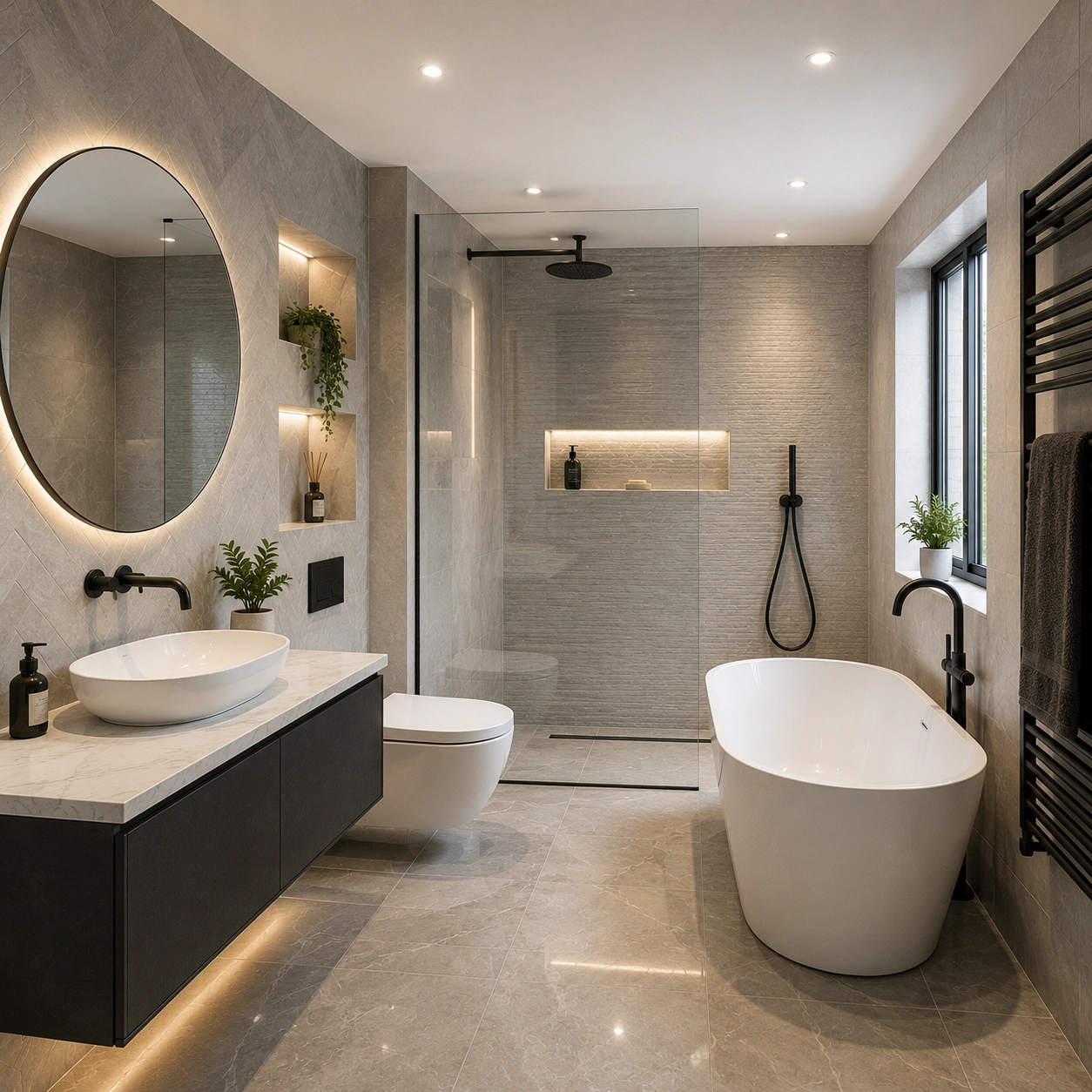
What’s Included in a Full Bathroom Installation in London?
Planning a new bathroom is exciting, but many homeowners are unsure about what actually happens during the installation process. Whether you’re replacing an old bathroom or fitting out a newly renovated property, understanding every stage helps you make informed decisions and avoid unexpected costs. A professional bathroom installation London service covers much more than simply fitting a bath or toilet—it involves careful planning, plumbing, electrical work, waterproofing, tiling, ventilation, and thorough testing to ensure everything works safely and efficiently.
According to the UK Government’s English Housing Survey, bathrooms remain one of the most commonly improved rooms in British homes because they directly affect comfort, hygiene, and property value. A well-installed bathroom is also more energy and water efficient, helping households reduce long-term running costs.
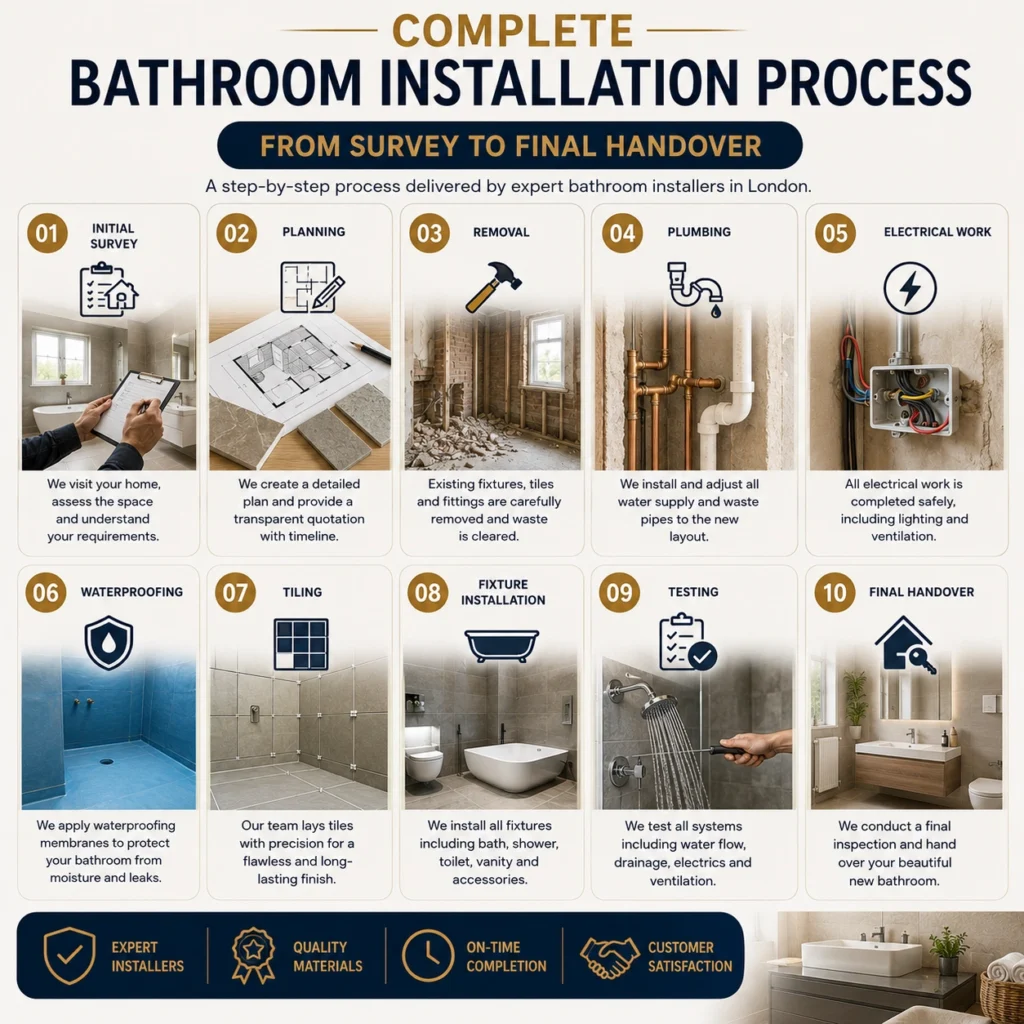
What Does a Full Bathroom Installation Include?
A complete bathroom installation is a carefully managed process where several skilled trades work together. Every stage must meet UK Building Regulations and recognised plumbing and electrical standards.
Instead of focusing only on installing new fixtures, the goal is to create a bathroom that performs reliably for many years.
Bathroom Installation Cost Estimator
Get a instant estimate for installation labor, trade complexity, and preparation requirements.
Installation Estimate
*Estimates focus on trade labor and installation prep. Excludes fixture supply costs. Final quote requires an on-site survey.
Initial Home Survey and Bathroom Assessment
Every successful project begins with a detailed inspection of the existing bathroom.
The installer checks:
- Existing plumbing
- Drainage positions
- Water pressure
- Ventilation
- Electrical supply
- Wall and floor condition
- Moisture damage
- Pipe accessibility
This survey helps identify hidden issues before work starts.
Many older London properties have ageing pipework or uneven floors that require attention before new bathroom fixtures can be installed.
Identifying these problems early prevents delays later in the project.
Safe Removal of the Existing Bathroom
Once planning is complete, the existing bathroom is carefully removed.
This usually includes removing:
- Bath
- Shower
- Toilet
- Basin
- Cabinets
- Tiles
- Flooring
- Pipe fittings where necessary
Professionals take care to avoid damaging structural walls, plumbing systems, and electrical wiring.
Waste materials should also be disposed of responsibly.
According to WRAP (Waste & Resources Action Programme), construction and renovation waste can often be recycled when correctly separated, helping reduce landfill waste across the UK.
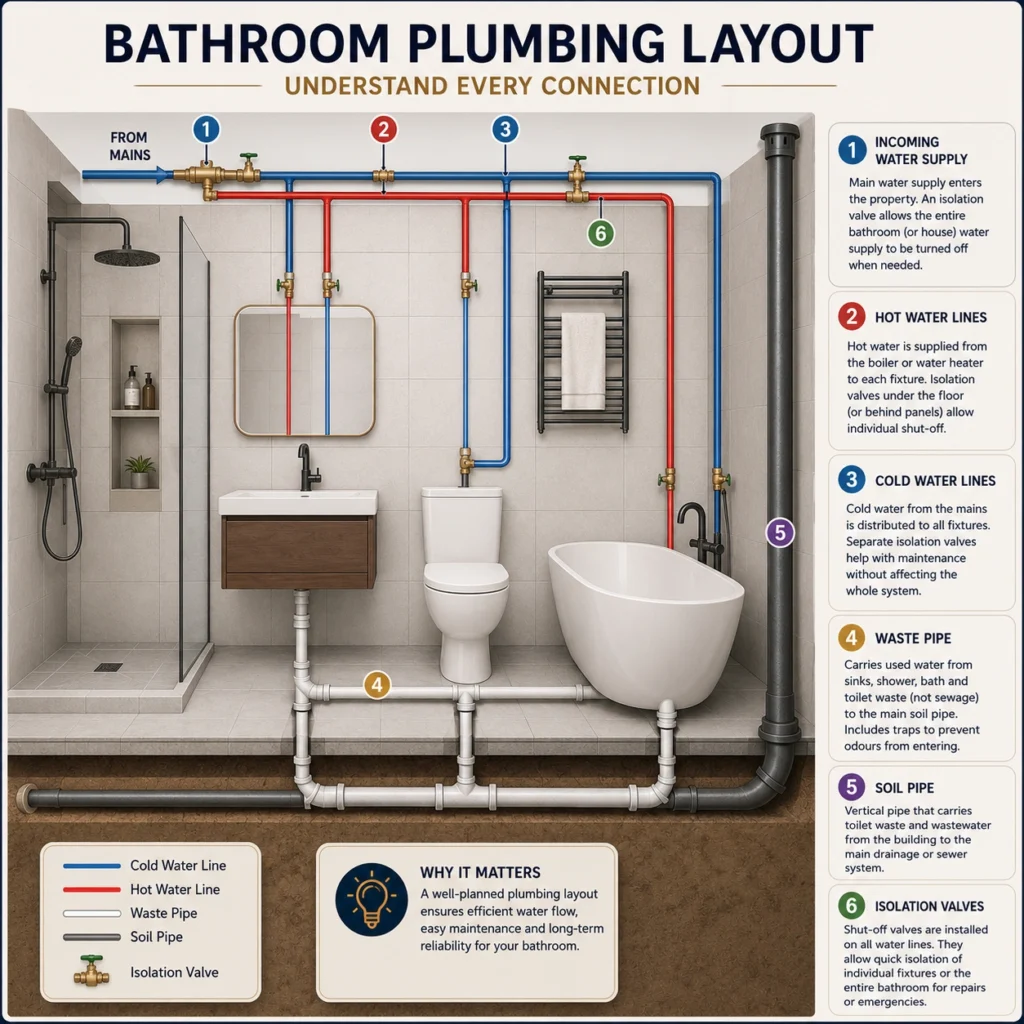
Plumbing Installation
Plumbing is one of the most important stages of any bathroom installation London project.
Qualified plumbers install or replace:
- Hot and cold water pipes
- Waste pipes
- Drainage connections
- Isolation valves
- Water supply lines
- Shower pipework
Every connection must be leak-tested before walls or floors are sealed.
Incorrect plumbing can lead to water damage, mould growth, and expensive repairs.
The Chartered Institute of Plumbing and Heating Engineering (CIPHE) recommends using qualified professionals to ensure installations comply with UK standards and minimise future maintenance.
Electrical Installation and Safety
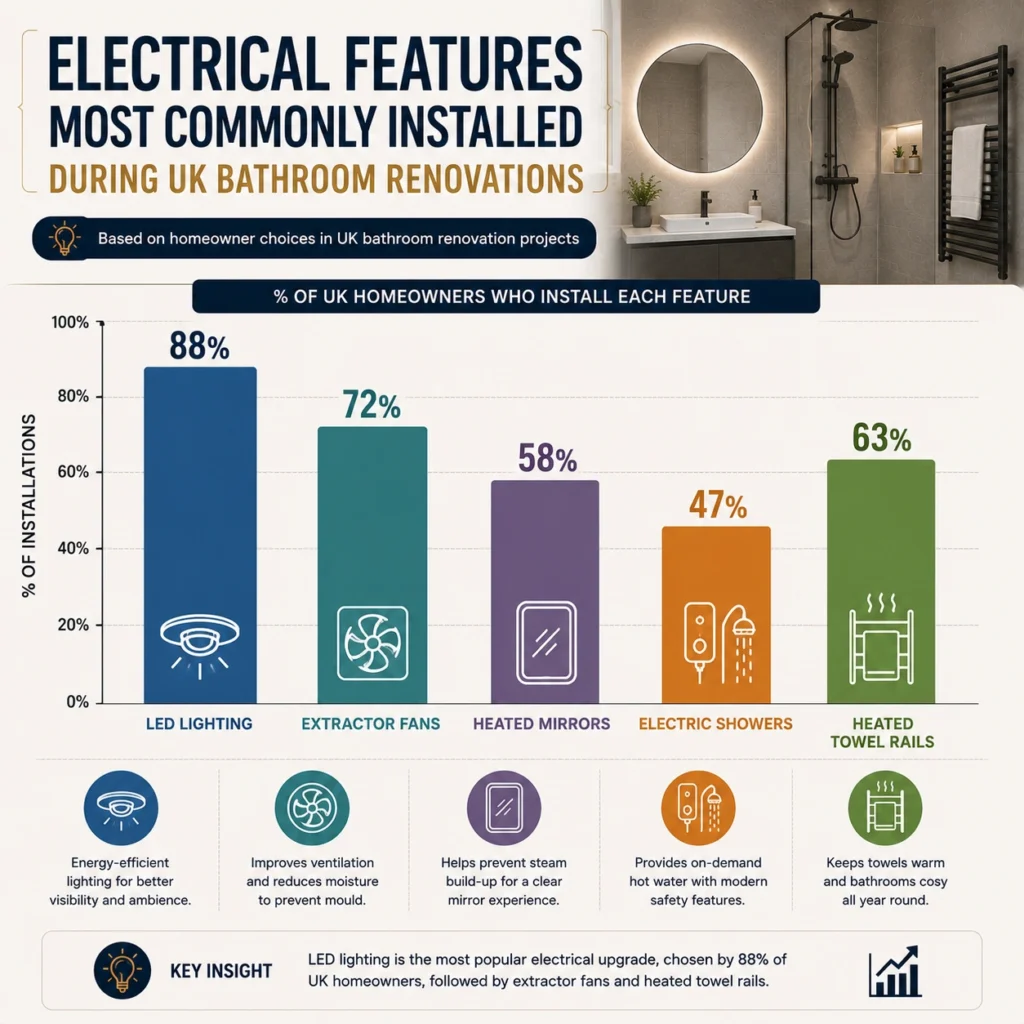
Modern bathrooms require much more electrical work than many people realise.
Professional electricians install:
- Lighting
- LED mirrors
- Extractor fans
- Heated towel rails
- Electric showers
- Shaver sockets
- Underfloor heating controls
Bathrooms are classified into electrical safety zones under UK regulations.
Every electrical installation should comply with Part P of the Building Regulations and BS 7671 Wiring Regulations.
Proper installation helps reduce electrical risks while ensuring reliable operation.
Waterproofing Protects Your Home
One of the biggest differences between a professional installation and a poor-quality installation is waterproofing.
Before tiling begins, installers prepare walls and floors using waterproof membranes or tanking systems.
This protects surrounding rooms from hidden water damage.
Without proper waterproofing, moisture can eventually cause:
- Rotting timber
- Damaged plaster
- Loose tiles
- Mould growth
- Structural repairs
Research published by the Property Care Association highlights that uncontrolled moisture remains one of the leading causes of internal property damage across UK homes.

Wall Preparation and Professional Tiling
Once waterproofing is complete, installers prepare surfaces for tiling.
Walls and floors must be:
- Flat
- Clean
- Dry
- Properly levelled
Good preparation ensures tiles remain secure for many years.
Professional installers carefully position expansion joints, grout lines, and tile spacing to improve both durability and appearance.
Poor preparation often causes cracked grout, loose tiles, and uneven finishes.
| Professional Installation | Poor Installation |
|---|---|
| Level surfaces | Uneven walls |
| Waterproof membrane installed | No waterproof protection |
| Accurate tile spacing | Inconsistent joints |
| Proper adhesive coverage | Hollow tiles |
| Long-lasting finish | Early tile failures |
Installing Bathroom Fixtures
After plumbing, electrics, and tiling are complete, the new fixtures can finally be installed.
These typically include:
- Toilet
- Basin
- Vanity unit
- Bath
- Shower enclosure
- Shower valve
- Taps
- Mirrors
- Storage cabinets
- Heated towel rail
Each fixture is carefully aligned, secured, and connected before final testing begins.
Professional installation ensures smooth operation, reduces leaks, and helps maximise product lifespan.
Final Testing and Quality Checks
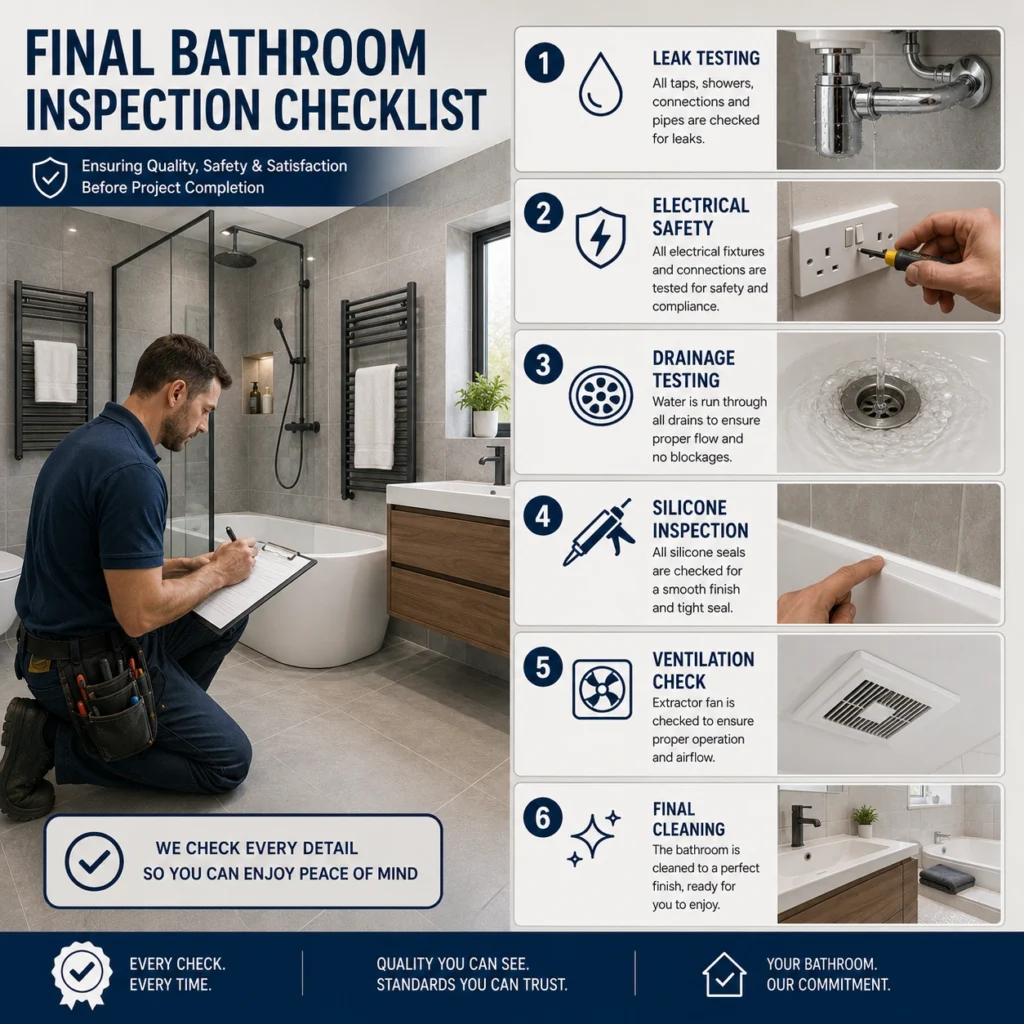
Once every fixture has been installed, the bathroom goes through a series of final inspections. This stage ensures that everything works correctly before the project is handed over.
Professional installers typically test:
- Water pressure
- Hot and cold water supply
- Waste drainage
- Toilet flushing
- Shower performance
- Tap operation
- Electrical fittings
- Ventilation system
- Silicone seals
- Leak prevention
Even a small leak can become a costly problem if it is missed. Thorough testing helps identify issues before the bathroom is put into daily use.
Cleaning and Project Handover
A full bathroom installation London service does not finish when the last tap is fitted.
The final stage includes cleaning the room, removing waste materials, checking every fitting, and explaining how to use newly installed fixtures.
Homeowners should also receive:
- Product manuals
- Warranty information
- Maintenance advice
- Care instructions
- Certificates where applicable
Taking a few minutes to understand how everything works can help keep the bathroom in excellent condition for years.
How Long Does a Bathroom Installation Take?
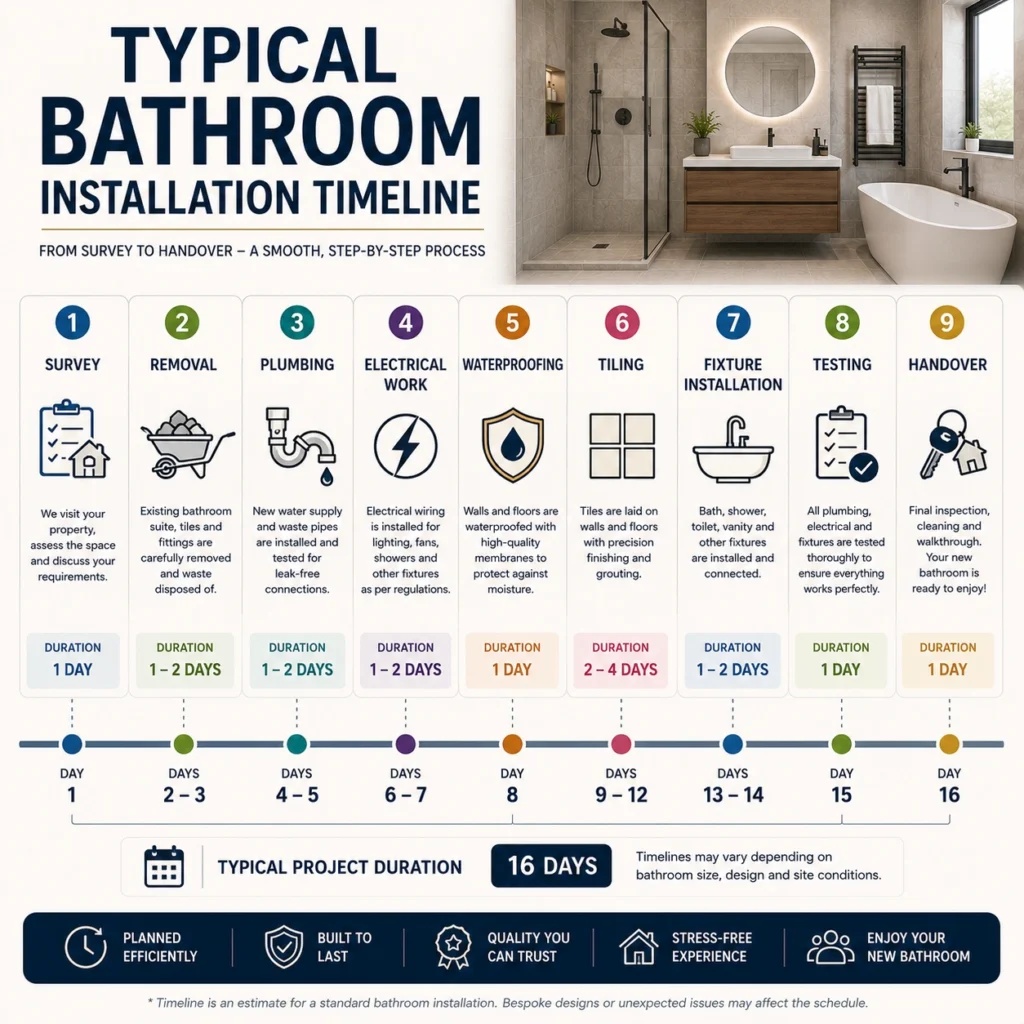
The exact timeframe depends on the size of the bathroom, the amount of plumbing work required, and whether any hidden problems are found after removing the old suite.
The table below provides a general guide.
Bathroom Type | Typical Installation Time |
Cloakroom | 2–4 days |
Small Bathroom | 5–7 days |
Standard Family Bathroom | 7–10 days |
Large Bathroom | 10–14 days |
Older London properties may require additional plumbing or floor repairs, which can extend the schedule.
What Can Affect the Total Cost?
No two bathrooms are exactly the same, which is why installation costs can vary.
Several factors influence the final price, including:
Using experienced installers helps reduce costly mistakes and unexpected repairs later.
Bathroom Installation in Fulham
If you’re planning a bathroom installation in Fulham, it is worth remembering that many properties in the area are older Victorian or Edwardian homes. These buildings often have ageing plumbing systems, uneven floors, or outdated electrical wiring that may need upgrading before new fixtures can be installed.
A detailed property survey at the beginning of the project helps identify these issues early, allowing the installation to progress more smoothly and reducing the risk of delays.
Tips for a Smooth Bathroom Installation
Preparation makes the installation process much easier.
Before work begins:
- Remove personal belongings from the bathroom.
- Discuss the installation schedule with your installer.
- Arrange alternative bathroom access if needed.
- Confirm product deliveries before the installation date.
- Ask questions if anything is unclear.
Good communication throughout the project helps avoid misunderstandings and keeps everything on schedule.
Frequently Asked Questions
1. What is included in a full bathroom installation in London?
A full bathroom installation in London typically includes removing the old bathroom, updating plumbing and electrical systems where needed, waterproofing, wall and floor preparation, tiling, fitting the bath, shower, toilet, basin, taps, lighting, ventilation, and carrying out final testing to ensure everything is working safely.
2. How much does a bathroom installation cost in London?
The cost of a bathroom installation in London depends on the size of the bathroom, the amount of plumbing or electrical work required, the type of fixtures chosen, and the condition of the existing room. A professional survey is the best way to receive an accurate quotation based on your property.
3. How long does a complete bathroom installation take?
Most standard bathroom installations take around 7 to 10 working days. Larger bathrooms or projects involving significant plumbing changes, structural repairs, or extensive tiling may take longer.
4. Do I need a plumber and an electrician for a bathroom installation?
Yes. A professional bathroom installation usually requires both qualified plumbers and certified electricians. Plumbing ensures reliable water supply and drainage, while electrical work covers lighting, extractor fans, heated towel rails, and electric showers in accordance with UK Building Regulations.
5. Can you replace my old bathroom with a new one in the same layout?
Yes. Keeping the existing layout is often the quickest and most cost-effective option because existing plumbing and drainage connections can usually be reused. However, any worn or outdated pipework should still be inspected and upgraded if necessary.
6. Is waterproofing included in a professional bathroom installation?
Yes. Waterproofing is an essential part of a professional bathroom installation. Waterproof membranes help protect walls and floors from leaks, damp, and mould, improving the durability of the bathroom and reducing future repair costs.
7. Will my old bathroom be removed and disposed of?
Yes. A full bathroom installation normally includes carefully removing the existing bath, shower, toilet, basin, tiles, and other fixtures before preparing the room for the new installation. Waste materials should be disposed of responsibly following local regulations.
8. Can you install a bathroom in older London properties?
Yes. Many homes across London, including Victorian and Edwardian properties, require additional plumbing or electrical upgrades before installation. A detailed site survey helps identify any hidden issues so they can be resolved before work begins.
9. What should I do before my bathroom installation starts?
Before installation begins, clear personal belongings from the bathroom, confirm that all fixtures have been delivered, discuss the project schedule with your installer, and arrange access to another bathroom if required during the work.
10. Why should I choose a professional bathroom installation company in London?
A professional bathroom installation company has the experience to manage plumbing, electrical work, waterproofing, tiling, fixture installation, and final testing correctly. This helps minimise delays, reduces the risk of costly mistakes, and ensures the finished bathroom meets current UK safety standards.