
Floating Vanity Ideas That Elevate Any Small Bathroom Renovation London
Space is one of London’s most precious commodities — and nowhere is that more acutely felt than in the bathroom. Whether you are renovating a compact en-suite in a Victorian terrace, refreshing a narrow bathroom in a purpose-built flat, or undertaking a bathroom refurbishment in Richmond’s characterful period housing stock, the challenge of making a small bathroom feel generous, functional, and visually resolved is one that every London homeowner eventually confronts.
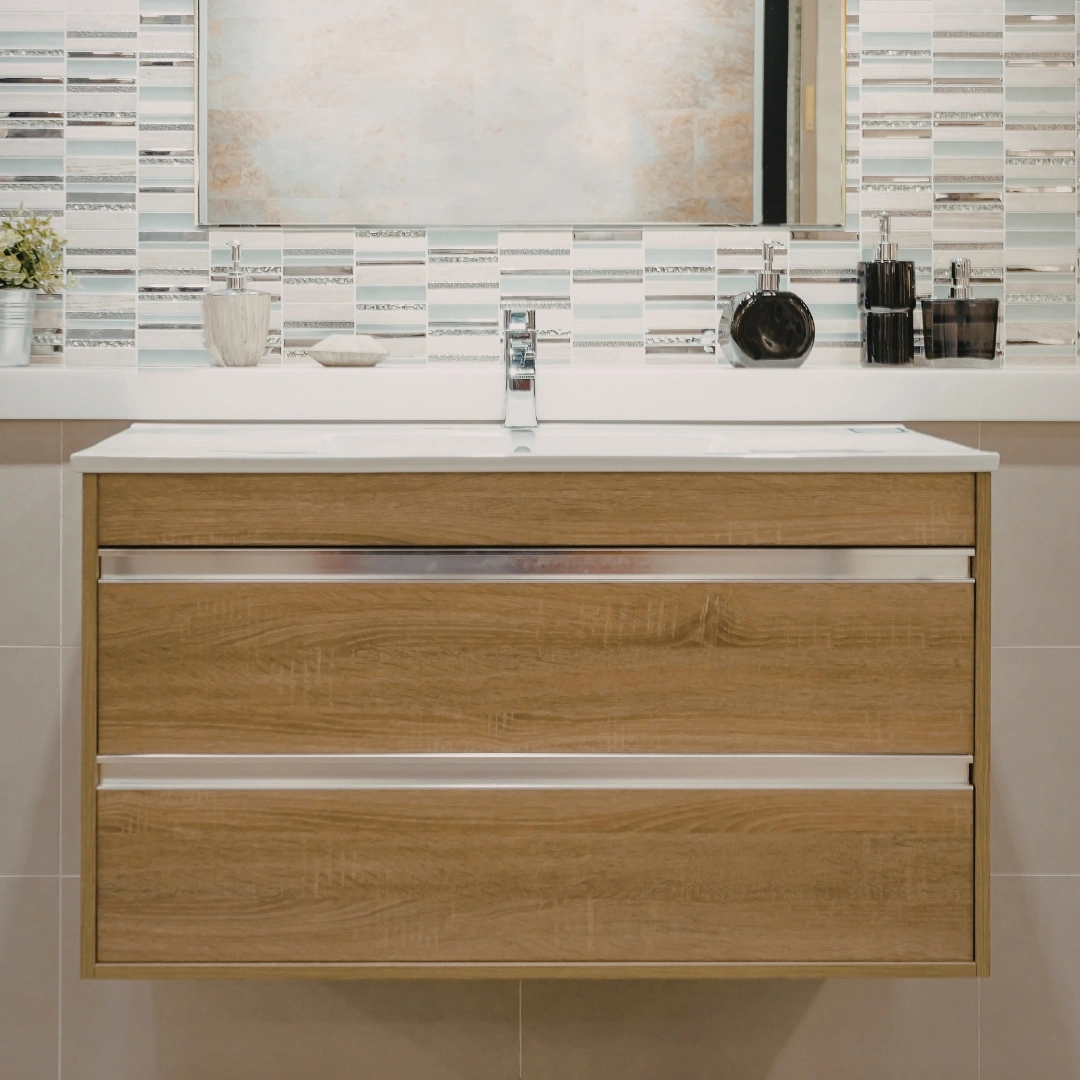
The floating vanity has emerged as one of the most consistently effective solutions available in 2026. Wall-hung, clean-lined, and remarkable in its ability to reshape the visual perception of a room, the floating vanity is no longer a niche specification reserved for high-end hotel fit-outs. It has become a mainstream feature of small bathroom renovation in London — and the data supporting its popularity is substantial.
Why Floating Vanities Work So Well in Small London Bathrooms
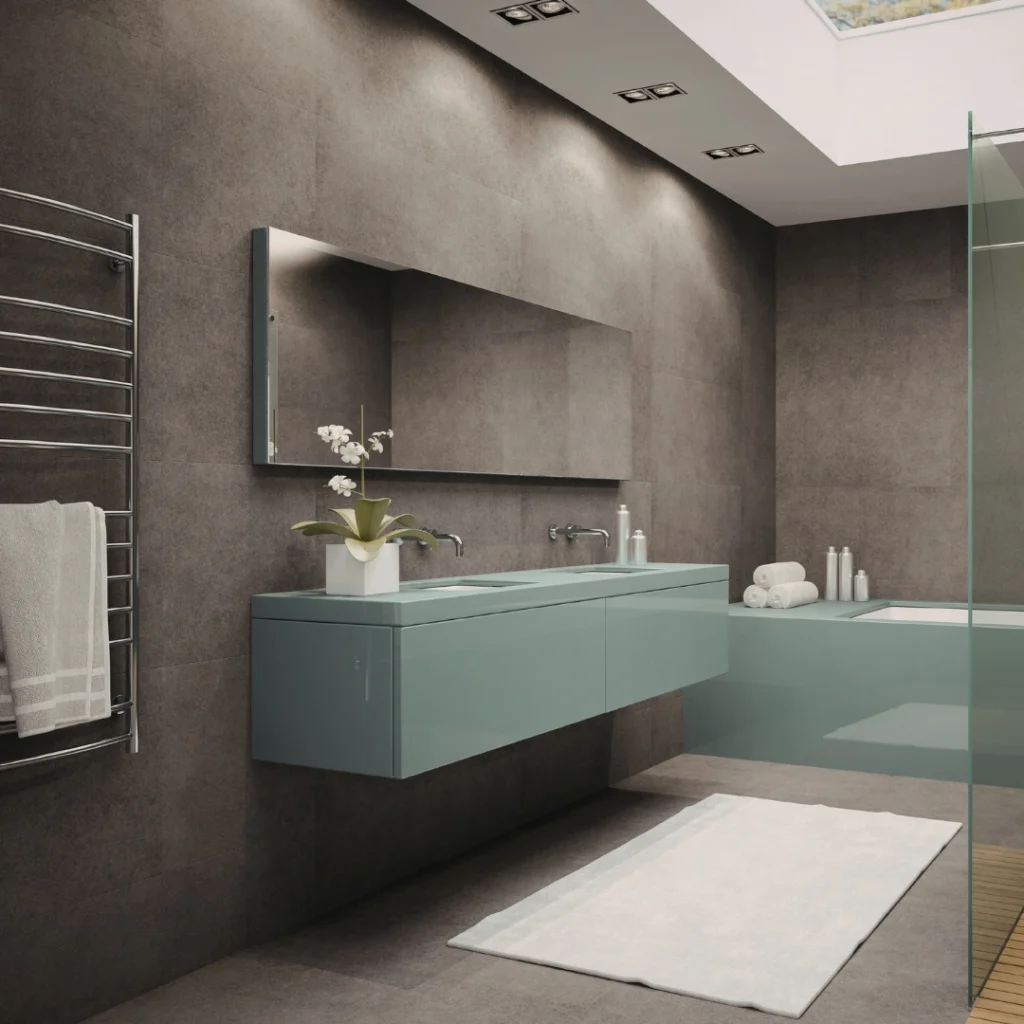
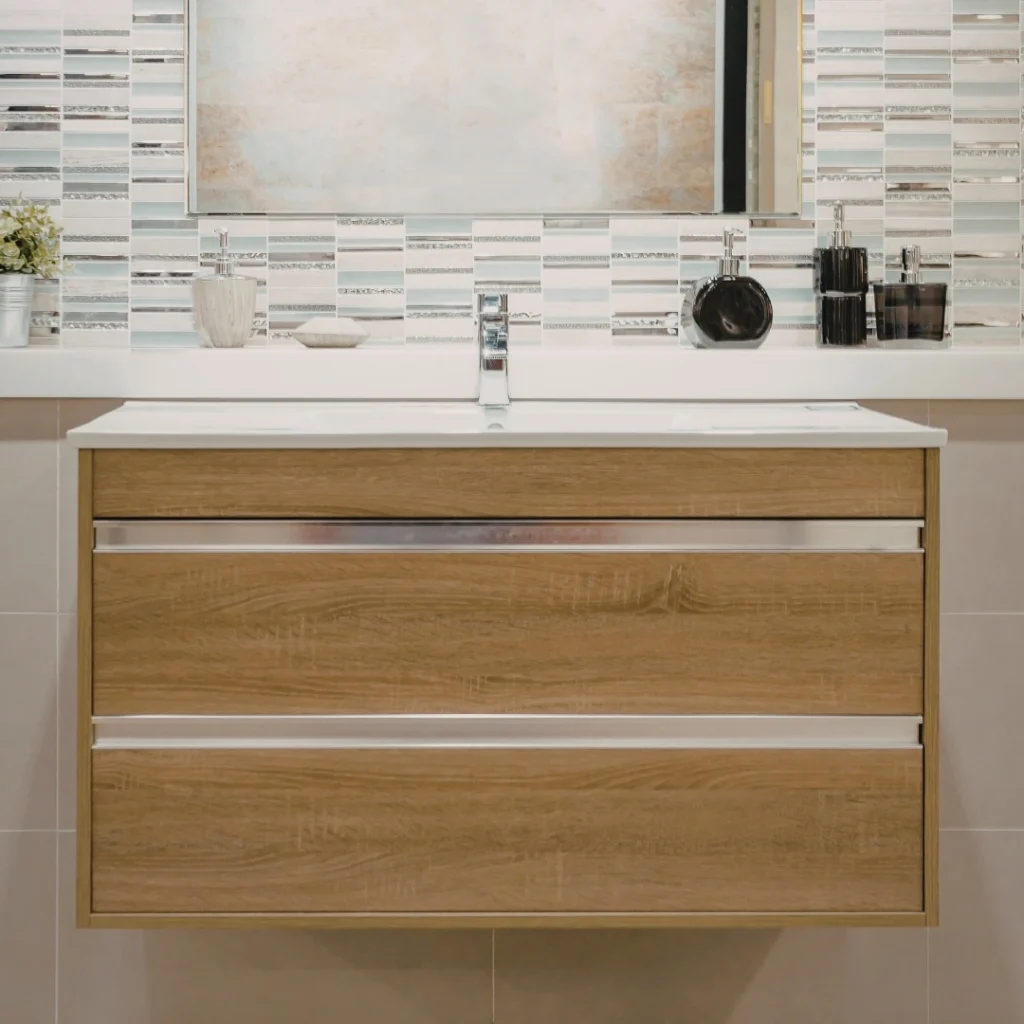
The fundamental principle behind a floating vanity’s effectiveness in compact spaces is straightforward: by mounting the unit directly to the wall and lifting it clear of the floor, you expose a continuous run of flooring beneath it. This uninterrupted floor plane creates a visual sweep across the room that tricks the eye into perceiving significantly more space than is actually present.
This is not merely an anecdotal observation. Research published by the Colour and Space Institute in its 2024 Residential Space Perception Study found that wall-hung bathroom furniture increased the perceived spaciousness of bathrooms under 4.5 square metres by an average of 22% compared to equivalent floor-standing units — a finding that has significant practical relevance for London’s housing stock, where the majority of bathrooms fall within precisely this size bracket.
The Office for National Statistics’ 2023 Housing Stock Survey found that 58% of London properties built before 1945 have at least one bathroom under 5 square metres. For homeowners undertaking a small bathroom renovation in London, particularly in the Victorian and Edwardian terraces that dominate boroughs such as Richmond, Wandsworth, and Kensington, the floating vanity is not a stylistic indulgence — it is a structurally sensible choice.
The Practical Advantages Beyond Aesthetics
Easier Cleaning and Maintenance
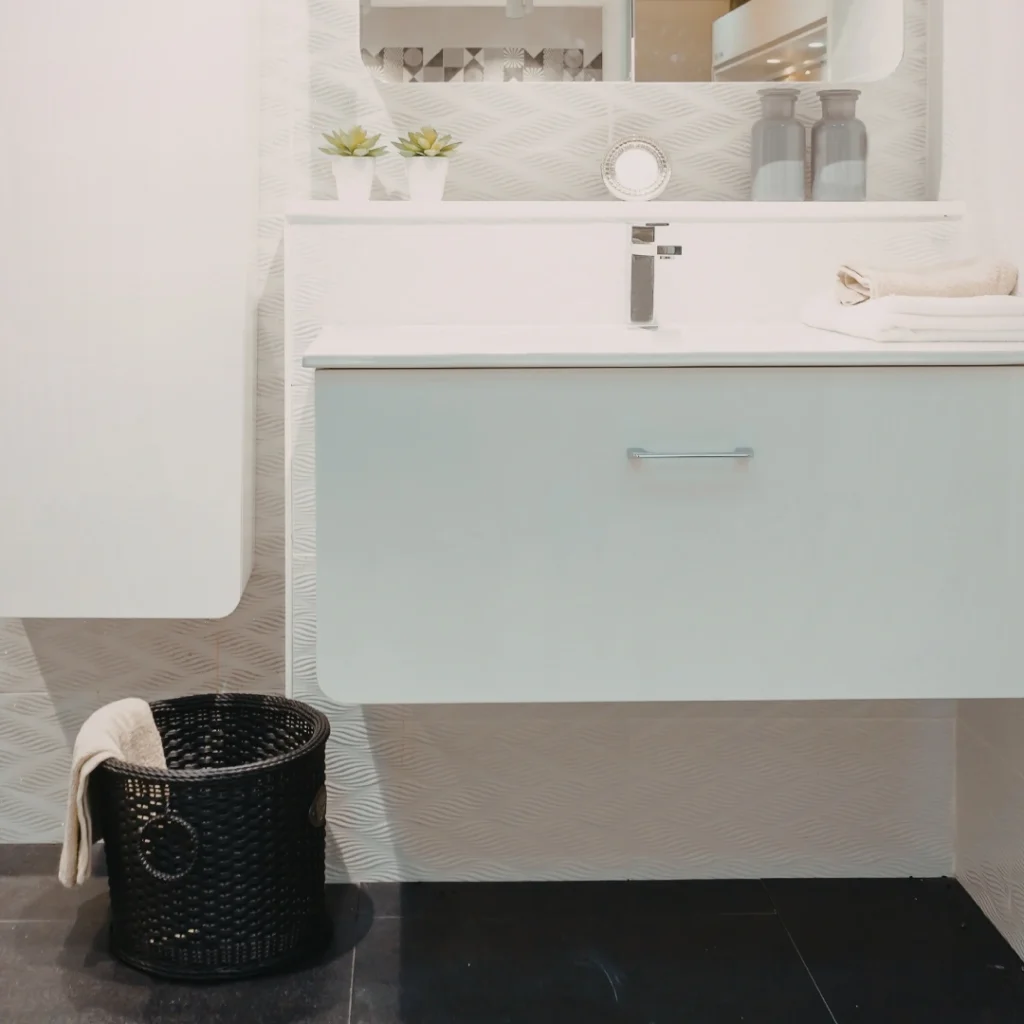
The gap between a floating vanity and the floor eliminates the difficult-to-clean zone around the base of floor-standing units — a particular consideration in bathrooms prone to moisture accumulation. The CIPHE (Chartered Institute of Plumbing and Heating Engineering) has noted in its 2024 technical guidance that wall-hung bathroom furniture contributes to better floor-level ventilation, reducing the risk of moisture retention and the consequent risk of mould growth in compact, poorly ventilated bathrooms.
Plumbing Integration and Concealed Waste
Modern floating vanity installations typically incorporate concealed waste and supply pipework routed internally through the wall or within a slim service duct. This eliminates the exposed pipework beneath a basin that often compromises the clean visual character of a small bathroom renovation in London. When specified and installed correctly by a qualified plumber, concealed plumbing also simplifies future maintenance access without requiring decorative finishes to be disturbed.
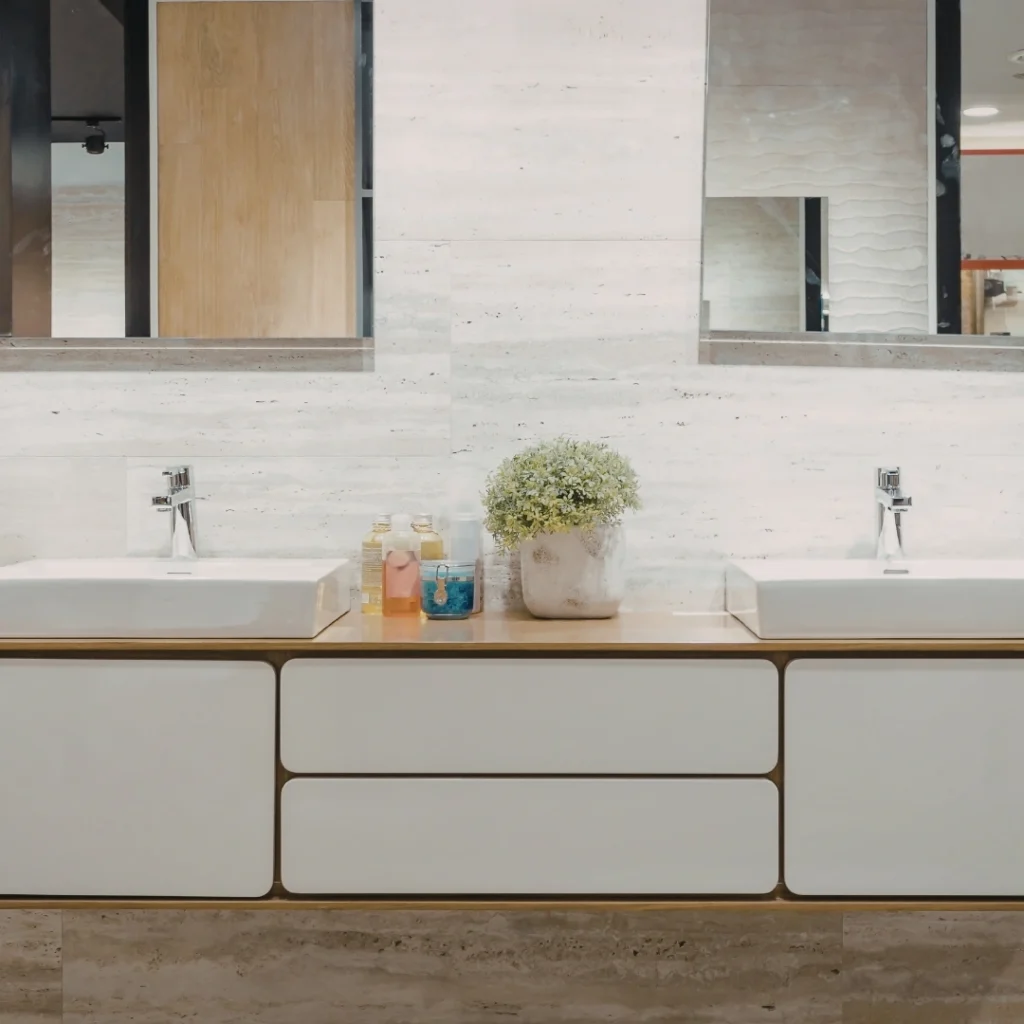
Adjustable Installation Height
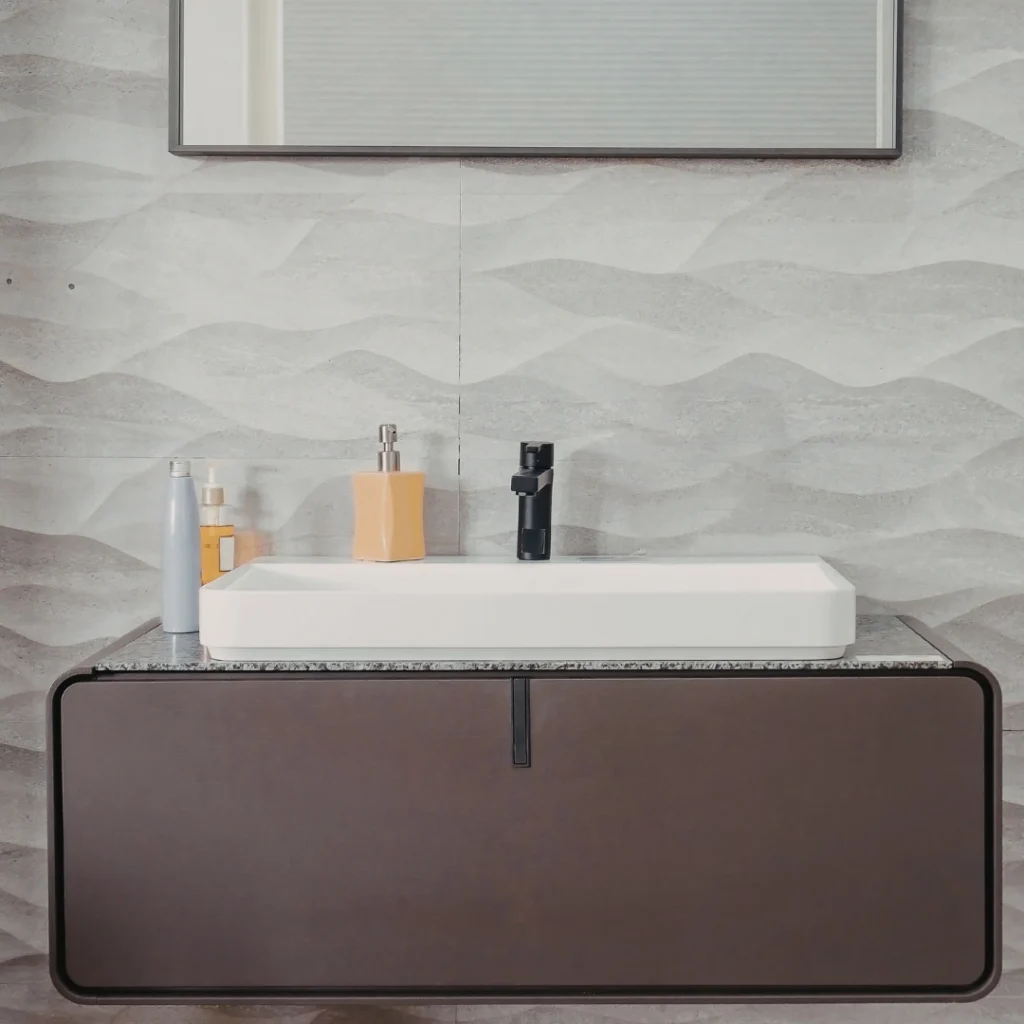
Unlike floor-standing units constrained by standard dimensions, floating vanities can be installed at precisely the height that suits the household — a practical consideration for families with varying needs, and for homeowners seeking to maximise usable counter space in rooms where every centimetre of vertical wall height matters.
Floating Vanity Configurations Best Suited to Small London Bathrooms
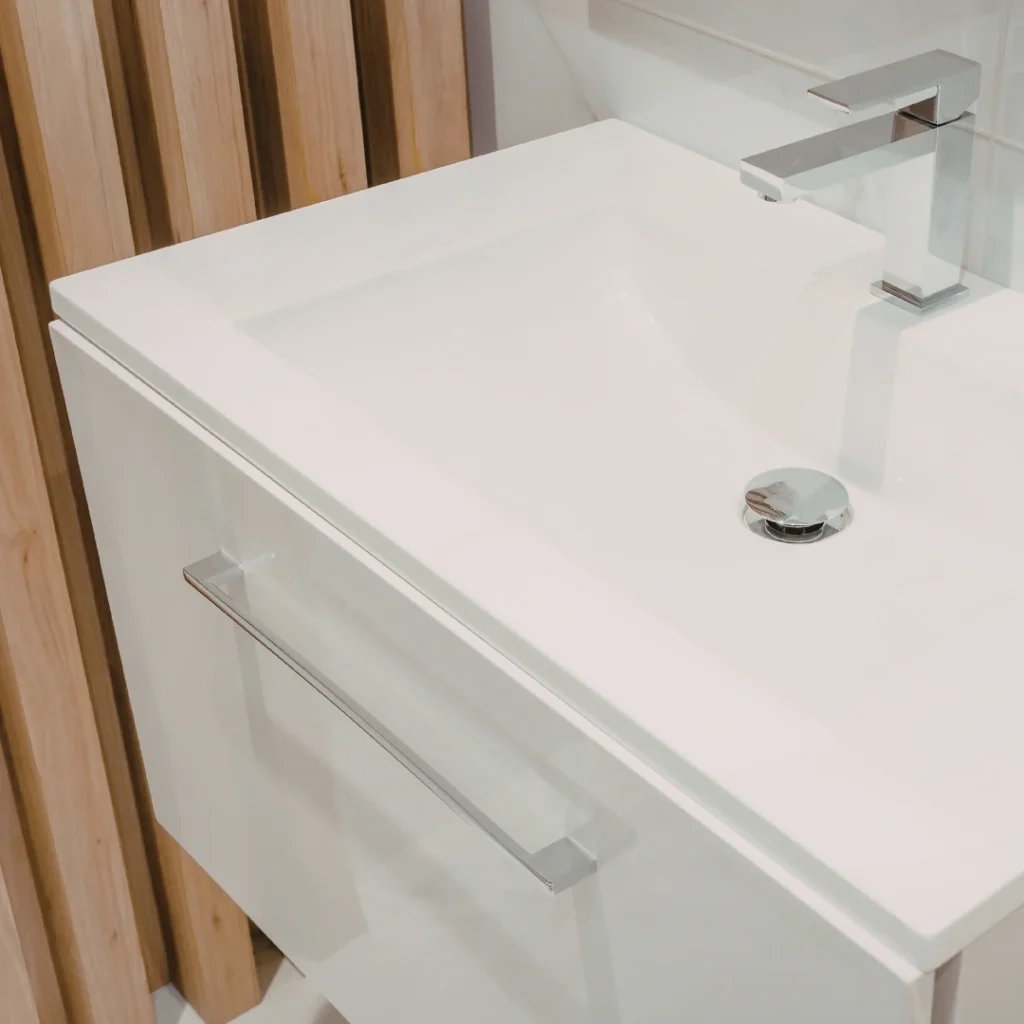
Single-Basin Compact Units (400mm–600mm Width)
For the narrowest bathrooms — common in conversions and period properties throughout Richmond and wider South West London — compact single-basin units in the 400mm to 600mm width range represent the most practical specification. These units deliver meaningful storage within their carcass while maintaining the open floor plane that is their primary spatial advantage.
According to the 2025 UK Houzz & Home Study, wall-hung vanity units in the 450mm–550mm width range were the most commonly specified product in London bathroom refurbishment projects under 4 square metres, appearing in 61% of completed small bathroom renovations surveyed. This is a clear indicator of both the product category’s relevance and its proven fit within London’s most constrained bathroom dimensions.
Double-Basin Configurations in Slightly Larger Spaces
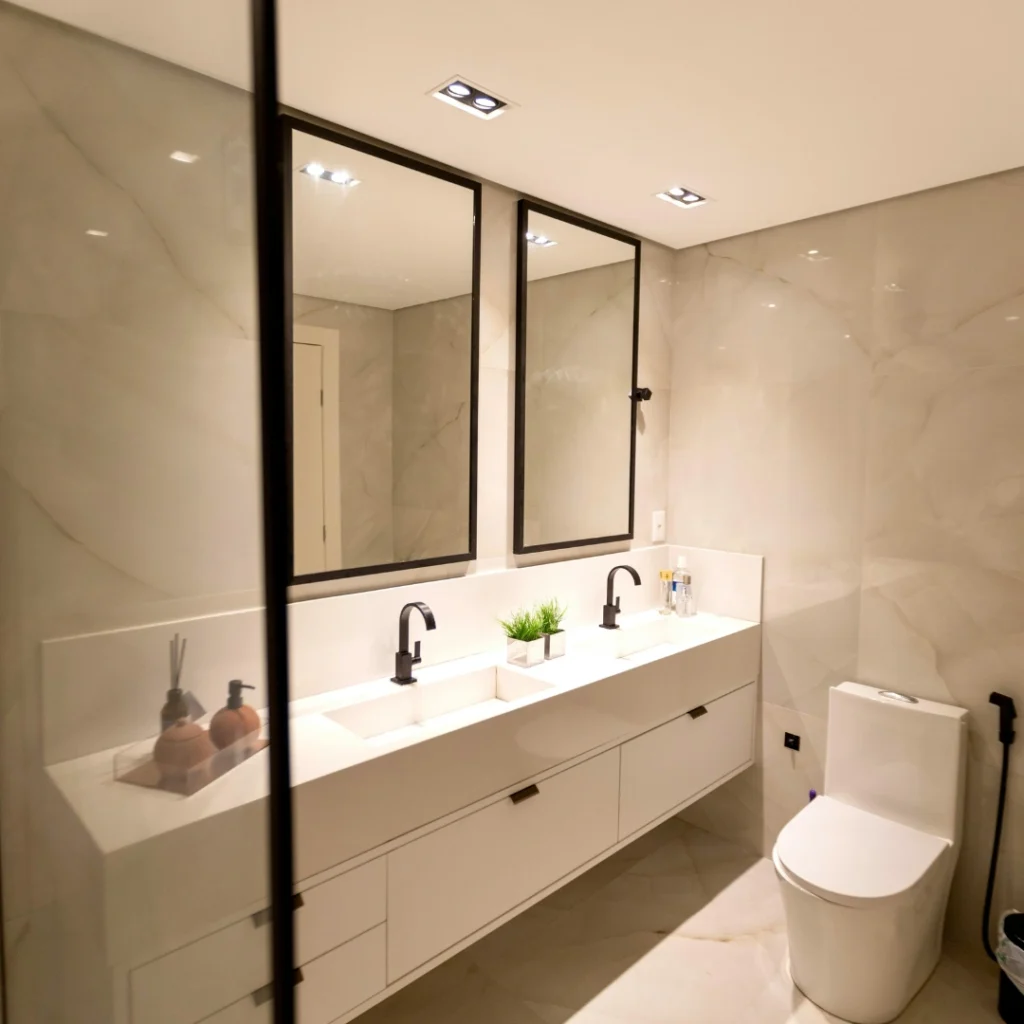
Where the bathroom footprint extends to 5–7 square metres — a common scenario in full family bathroom refurbishment Richmond projects, where Edwardian and interwar semi-detached properties often offer more generous bathroom proportions — a double floating vanity unit can deliver the functionality of two basins without the visual weight of a floor-standing unit. Widths in the 900mm–1200mm range provide considerable storage capacity whilst retaining the open floor plane beneath.
Corner-Mounted and Asymmetric Units
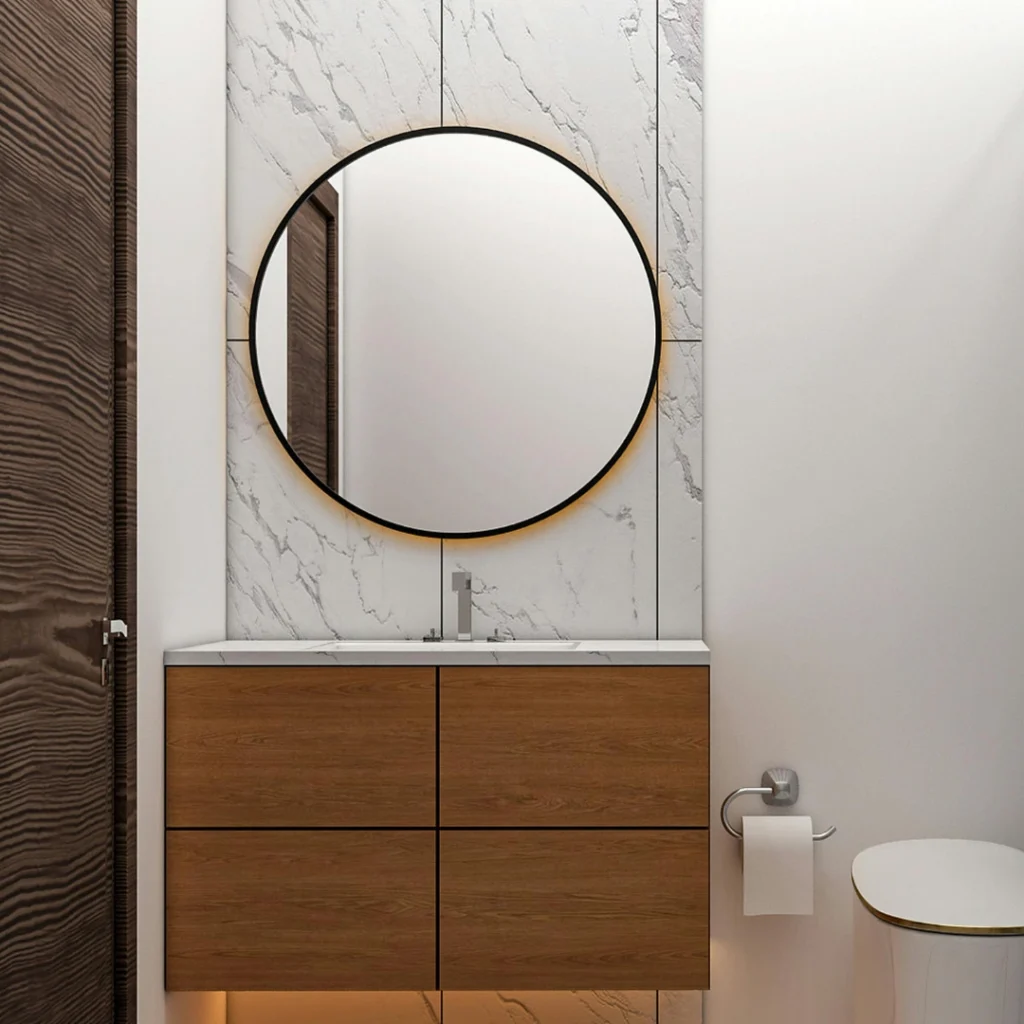
Corner-mounted floating vanities represent one of the most space-efficient configurations available for genuinely tight footprints. By utilising a corner that would otherwise remain largely unused, these units free up the primary wall runs for shower enclosures, storage, or towel warming. Though less common in standard product ranges, bespoke joinery solutions — increasingly accessible from specialist London bathroom companies — can deliver precisely fitted corner units that maximise every available centimetre.
Material and Finish Choices for Longevity in London Conditions
London’s bathroom environment — characterised by hard water, variable heating systems, and often limited ventilation in older properties — places specific demands on vanity materials. Poorly specified materials in a small bathroom renovation in London can deteriorate rapidly, undermining both aesthetics and structural integrity within a few years of installation.
Moisture-resistant MDF with a high-pressure laminate finish remains the most widely used carcass material in the mid-market segment, offering a combination of dimensional stability and surface durability at a reasonable price point. For premium specifications — increasingly common in bathroom refurbishment Richmond commissions, where property values incentivise higher investment — solid wood or plywood carcasses with factory-applied lacquer or hardwax oil finishes deliver superior longevity and a more considered material character.
The Stone Federation Great Britain’s 2024 Industry Report noted a 34% rise in the specification of stone or stone-effect surfaces for floating vanity countertops in London residential projects, reflecting the broader move towards natural material aesthetics. Sintered stone surfaces — engineered from natural minerals under extreme heat and pressure — have become a particularly popular countertop choice given their exceptional resistance to moisture, staining, and thermal shock compared to natural marble or limestone alternatives.
What a Floating Vanity Installation Costs in 2026
Budgeting accurately is essential for any small bathroom renovation in London. Based on current 2025–2026 market data from the Royal Institution of Chartered Surveyors (RICS) and the Federation of Master Builders (FMB), floating vanity unit costs in London break down broadly as follows.
Entry-level wall-hung units from mainstream bathroom retailers typically range from £350 to £800 supply-only, with installation labour adding £200–£400 depending on the complexity of the pipework concealment required. Mid-range units with solid surface or engineered stone countertops and soft-close storage typically cost between £900 and £2,500 supply-only. Premium bespoke joinery commissions can extend from £3,000 upwards, with installation adding a further £500–£1,000 for complex internal plumbing routing.
The FMB’s 2024 Regional Labour Cost Survey confirms that skilled plumbing and joinery labour in London commands a 25–35% premium above national average day rates, which should be factored into all project budget estimates. As with any element of a bathroom renovation, retaining a 10–15% contingency above your primary budget estimate is strongly recommended.
It is also worth noting that a well-executed floating vanity installation adds measurable value at point of sale. Research by Nationwide Building Society indicates that premium bathroom renovations in London add between 4% and 6% to residential property value — and estate agents consistently identify storage, clean lines, and the perception of space as primary buyer priorities in compact London properties.
Getting the Installation Right
The floating vanity’s clean aesthetic is entirely dependent on the quality of its installation. The wall fixings must be capable of bearing the combined weight of the unit, countertop, basin, and stored contents — which can easily exceed 80–100kg in a fully loaded configuration. In London’s older housing stock, where walls may be lime-plastered onto brick or timber studwork, a structural assessment of the fixing substrate is an essential first step before any wall-hung unit is specified.
A qualified, experienced bathroom installer will identify the appropriate fixing method — whether that requires direct masonry fixings, a concealed structural batten, or a proprietary wall-mounting frame from the vanity manufacturer — and will integrate concealed waste and supply pipework cleanly within the available wall depth.
For homeowners planning a bathroom refurbishment in Richmond or any other London borough with a significant stock of pre-war properties, engaging a contractor with demonstrable experience in period property bathroom renovations is particularly advisable. Verifying FMB or TrustMark membership, checking NICEIC registration for any associated electrical works, and ensuring all specifications are captured in a written contract remain the non-negotiable standards of professional engagement.
A Small Space, Thoughtfully Resolved
The floating vanity is one of those rare product categories where functional intelligence and visual elegance genuinely converge. For any small bathroom renovation in London — whether a compact en-suite, a shared family bathroom in a Victorian terrace, or a bathroom refurbishment in Richmond’s well-regarded residential stock — it represents one of the highest-impact, most space-efficient investments available. Specified and installed correctly, it transforms not just the appearance of the room but the daily experience of using it.