
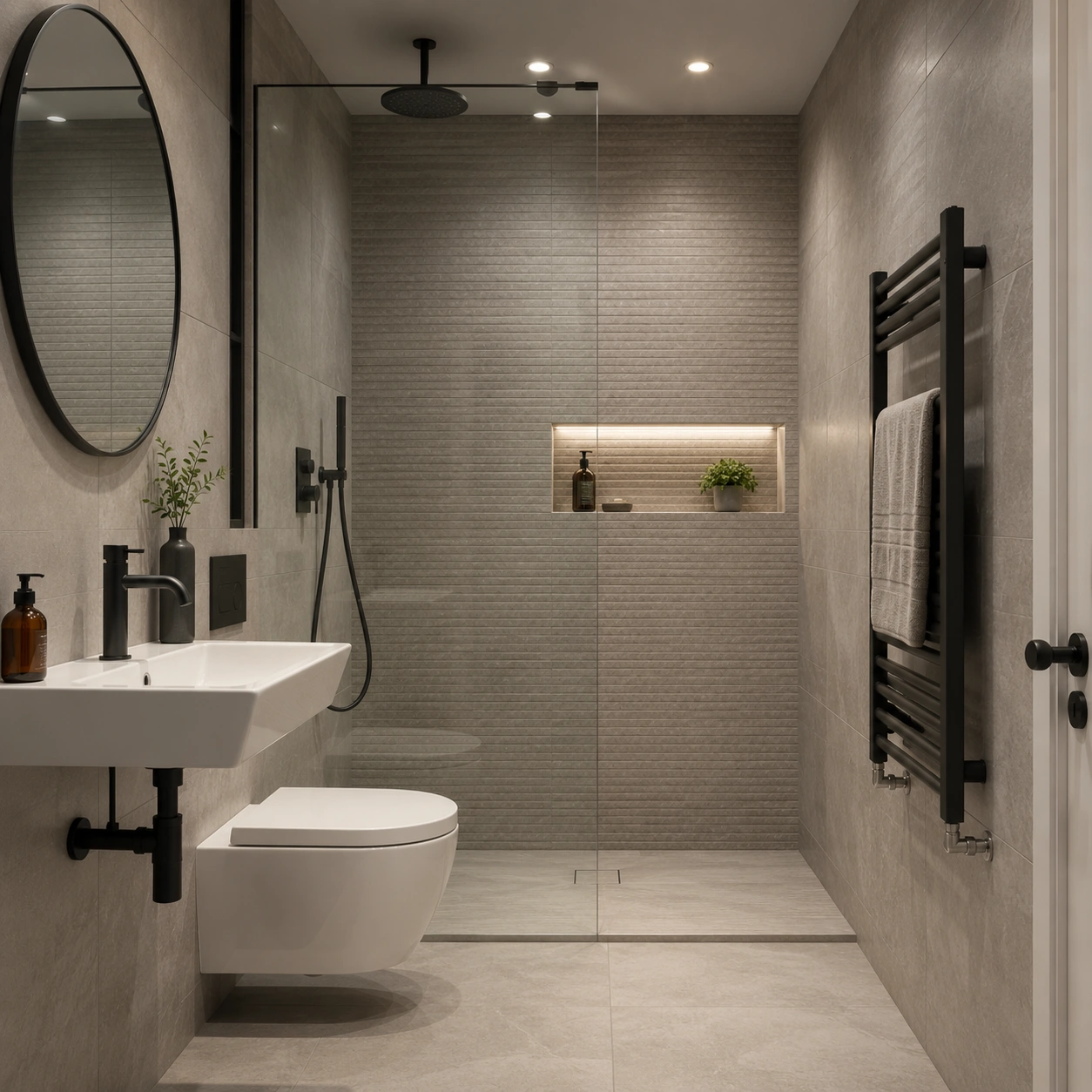
Small Bathroom Wet Room Conversion in London: The Space-Saver Solution
If your bathroom feels cramped, cluttered, or difficult to use, you’re not alone. Across London, where property space comes at a premium, homeowners are increasingly searching for practical ways to maximise every square metre. A small bathroom wet room London conversion has emerged as one of the most effective ways to create a more open, functional, and modern bathroom without extending the property footprint.
With many London homes featuring compact bathrooms, particularly in Victorian terraces, apartments, and converted properties, space efficiency has become a major consideration during renovation projects. According to the UK Government’s English Housing Survey, the average usable living space in England has gradually reduced over recent decades, making efficient room design more important than ever. At the same time, research from property specialists consistently shows that well-planned bathroom upgrades remain among the most desirable home improvements for buyers.
A wet room conversion can transform a small bathroom into a streamlined, practical space that feels significantly larger while improving everyday usability.
Why Small Bathrooms Are Challenging in London Homes
Many London properties were built during periods when modern bathroom requirements were very different from today. Bathrooms were often designed around basic functionality rather than comfort, accessibility, or storage.
As households evolve, these compact layouts can create daily frustrations. Traditional shower trays, bulky enclosures, and poorly planned fixtures often consume valuable floor space, making even routine activities feel restricted.
A small bathroom renovation London project frequently focuses on removing these barriers and creating a more open layout that improves movement throughout the room.

What Is a Wet Room?
A wet room is a fully waterproofed bathroom where the shower area is integrated directly into the room rather than enclosed within a traditional shower tray and cubicle.
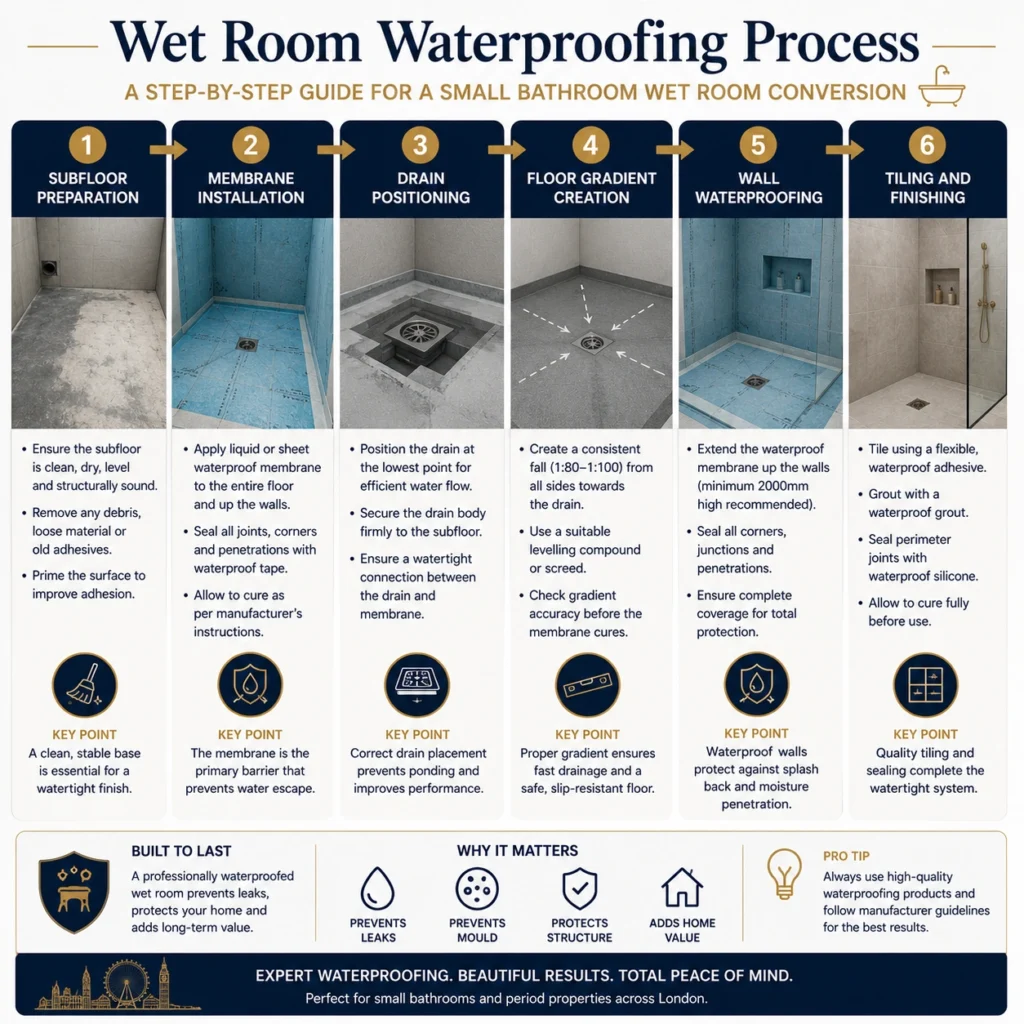
The floor is gently sloped toward a drain, allowing water to flow away efficiently. Waterproof membranes beneath the flooring and wall finishes protect the structure from moisture penetration.
By eliminating bulky enclosures, a small bathroom wet room London conversion creates a cleaner visual appearance and a stronger sense of openness.
How a Wet Room Differs from a Standard Bathroom
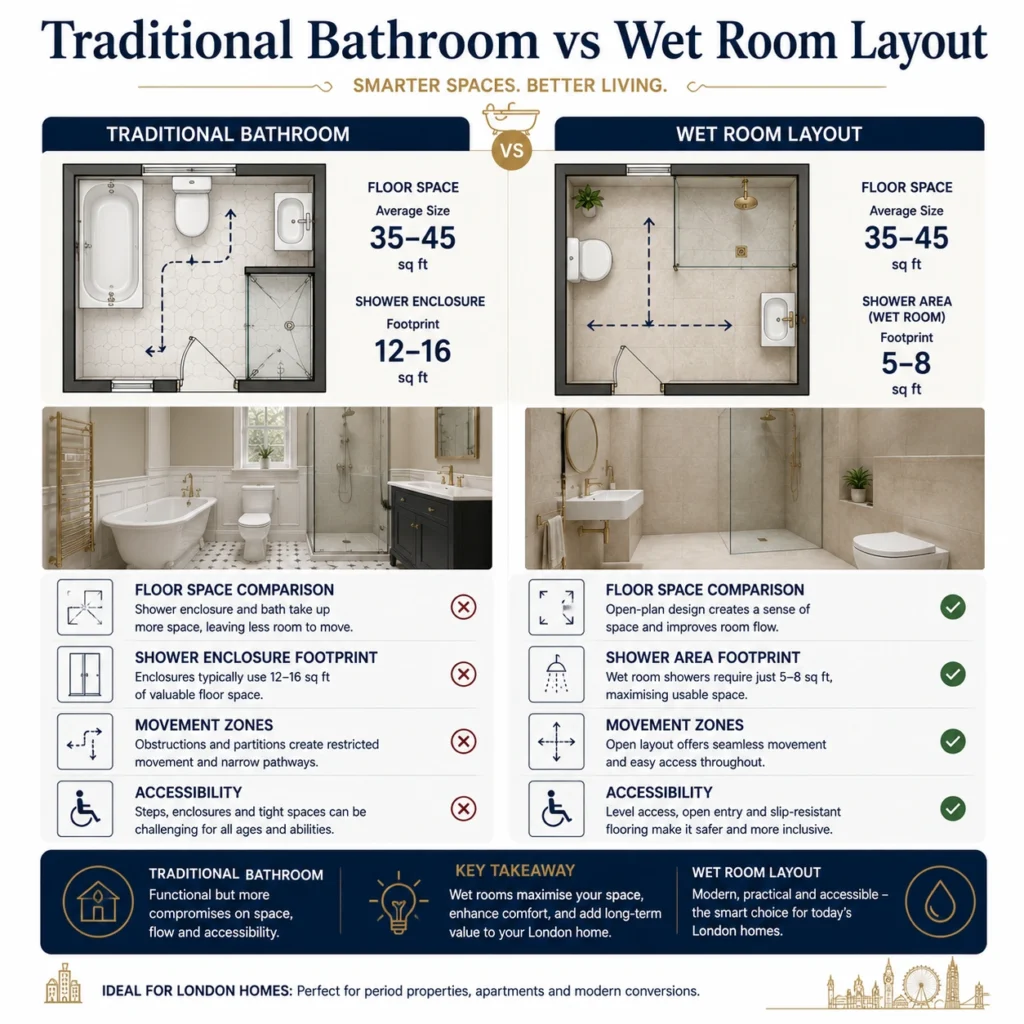
| Feature | Traditional Bathroom | Wet Room |
| Shower Tray | Required | Not Required |
| Shower Enclosure | Usually Required | Often Optional |
| Visual Space | More Segmented | More Open |
| Accessibility | Moderate | High |
| Cleaning Requirements | Higher | Simpler |
| Space Efficiency | Good | Excellent |
Why Wet Rooms Work So Well in Small Bathrooms
One of the biggest advantages of wet rooms is their ability to remove visual barriers.
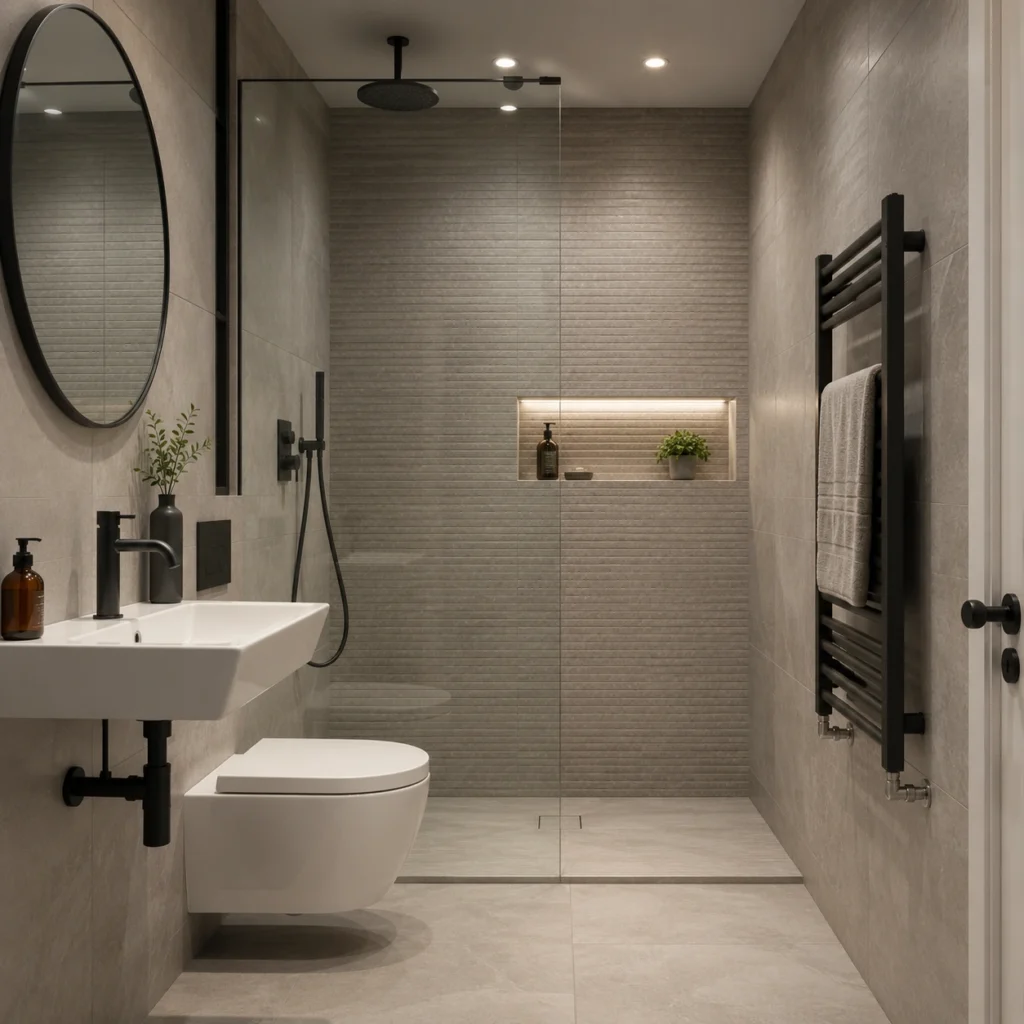
When shower trays, raised edges, and large glass enclosures are removed, the entire floor becomes part of a single continuous surface. This creates an illusion of greater space, even when the actual dimensions remain unchanged.
Research published by the National Association of Home Builders indicates that open-plan layouts consistently improve perceived spaciousness in residential environments. The same principle applies within bathroom design.
For homeowners undertaking a small bathroom renovation in London, the psychological effect of openness can be just as valuable as gaining physical space.
Increased Floor Space
Traditional shower enclosures often consume a significant proportion of a compact bathroom.
By integrating the shower into the overall room layout, more usable floor area becomes available.
This extra space can improve:
- Ease of movement
- Cleaning access
- Accessibility
- Storage opportunities
- Overall comfort
Improved Accessibility
The UK population continues to age, and accessibility is becoming a growing consideration for homeowners.
According to the UK Office for National Statistics, the proportion of people aged 65 and over continues to increase steadily. As a result, many homeowners are future-proofing their properties with easier-to-use bathrooms.
A level-access wet room eliminates trip hazards associated with raised shower trays and provides greater convenience for people with mobility concerns.
Waterproofing: The Most Important Part of Any Wet Room
The success of a wet room depends heavily on waterproofing.
Unlike traditional bathrooms where water remains largely confined to specific areas, wet rooms require comprehensive protection across the floor and critical wall sections.
Professional waterproofing systems typically include:
- Waterproof membranes
- Tanking systems
- Sealed drainage channels
- Moisture-resistant substrates
According to guidance published by the UK-based Tile Association, effective waterproofing significantly reduces long-term moisture risks and protects the structural integrity of bathroom installations.
Without proper preparation, water penetration can lead to costly repairs in the future.
Small Bathroom Wet Room Suitability Calculator
Evaluate if your compact London bathroom is a prime candidate for a modern wet room conversion.
Your Wet Room Analysis Results
Expert Local Engineer Notes:
How Much Space Do You Need for a Wet Room?
One of the biggest misconceptions is that wet rooms only work in large luxury homes.
In reality, many of the most successful projects involve compact bathrooms where space-saving benefits are greatest.
A properly planned wet room can work effectively within surprisingly small footprints. The key lies in careful drainage positioning, floor gradients, and efficient layout planning.
For many homeowners considering a small bathroom wet room London project, the available space is often sufficient even when a traditional bathroom feels restrictive.
Wet Rooms and Property Value
Bathroom upgrades remain one of the most influential renovation categories when it comes to property appeal.
Research from property marketplace surveys regularly shows that modern bathrooms rank among the top features buyers consider when evaluating homes.
For London properties where space efficiency is highly valued, a professionally completed wet room can make a property stand out in a competitive market.
While value increases vary depending on location and property type, buyers often appreciate bathrooms that feel larger, easier to maintain, and more contemporary.
This makes a small bathroom renovation London project a practical investment as well as a lifestyle improvement.
Common Mistakes During Small Wet Room Conversions
Many issues arise when homeowners underestimate the technical requirements involved.
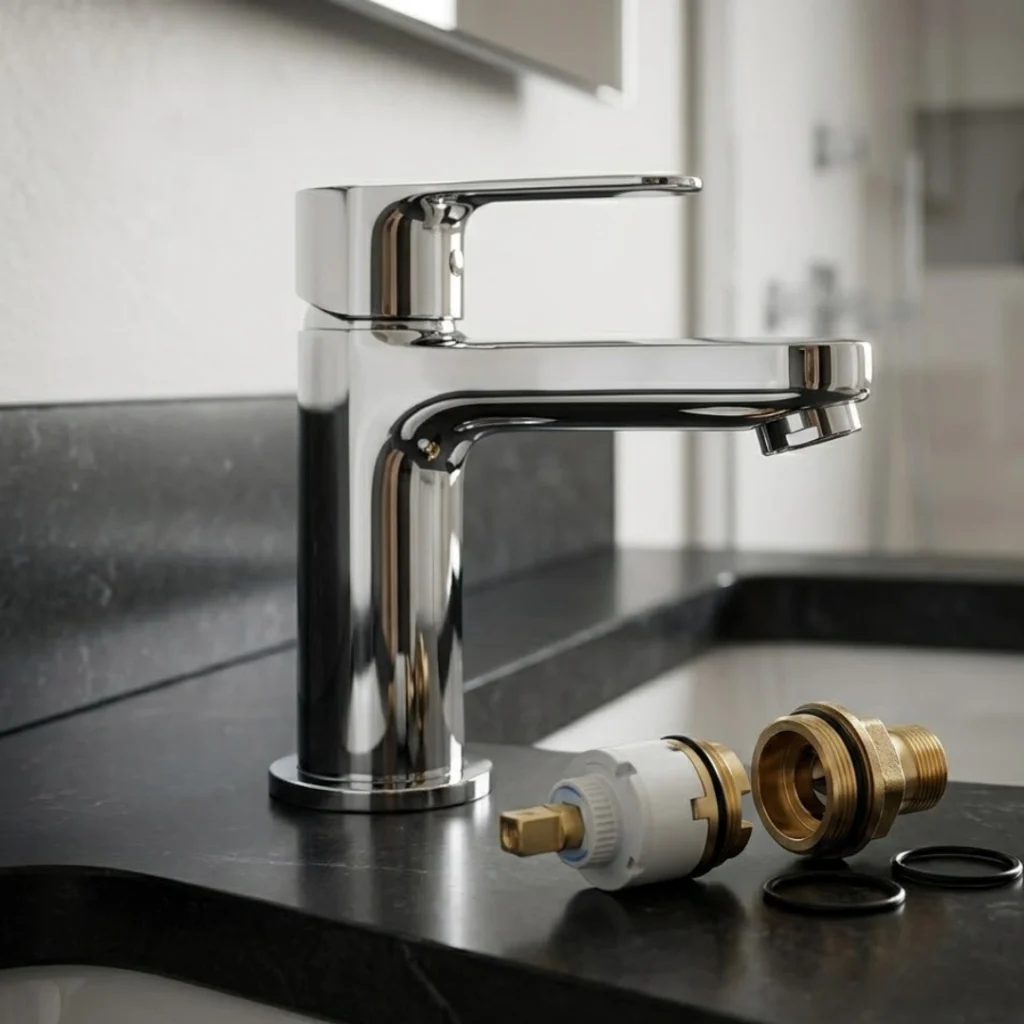
One common mistake is focusing entirely on appearance while overlooking drainage design. Poor drainage can affect performance and create ongoing maintenance concerns.
Another mistake involves inadequate waterproofing. Even minor weaknesses in tanking systems can eventually lead to moisture-related problems.
Poor ventilation is another factor frequently overlooked. According to guidance from the UK Government and building regulations, adequate extraction remains essential for managing moisture levels within bathrooms.
Understanding these risks helps homeowners make informed decisions throughout the project.
Suggested Comparison Table
Common Mistake | Potential Consequence |
Poor Waterproofing | Water Damage |
Incorrect Floor Gradient | Standing Water |
Inadequate Ventilation | Condensation Issues |
Poor Drain Positioning | Reduced Drainage Efficiency |
Low-Quality Materials | Increased Maintenance |
Is a Wet Room Right for Every Small Bathroom?
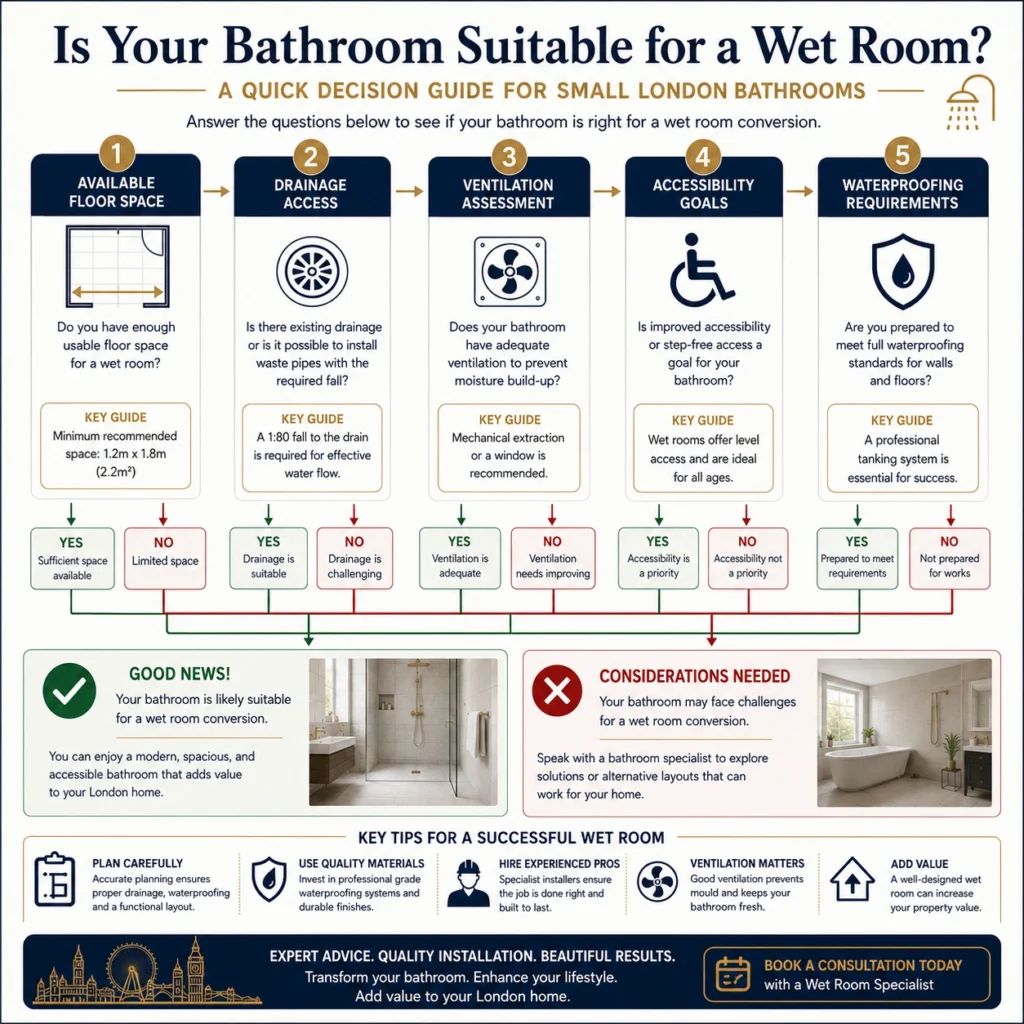
While wet rooms offer numerous advantages, suitability depends on the specific property and layout.
Factors that typically influence success include:
- Existing plumbing configuration
- Structural floor conditions
- Drainage location
- Ventilation capabilities
- Household requirements
A professional assessment helps determine whether a wet room will deliver meaningful benefits for the available space.
In many cases, homeowners discover that a small bathroom wet room London conversion provides a far more practical solution than trying to fit traditional bathroom fixtures into an already limited footprint.
Future Trends Driving Wet Room Popularity
Several long-term housing trends continue to increase demand for wet rooms.
Urban living is encouraging more efficient use of available space. At the same time, accessibility requirements are becoming increasingly important for homeowners planning long-term occupancy.
Market research from Statista shows continued growth in home improvement spending across the UK, with bathroom upgrades remaining a major renovation category. Additionally, sustainability considerations are encouraging homeowners to invest in durable, long-lasting solutions that reduce maintenance requirements.
As these trends continue, wet rooms are expected to remain one of the most practical options for compact bathrooms across London.
A surprising number of homeowners discover they can create a bathroom that feels significantly larger without adding a single extra square metre. If you could remove one thing from your current bathroom to make it feel more spacious, what would it be—and could a wet room conversion be the solution you’ve been looking for?
Frequently Asked Questions
1. How much does a small bathroom wet room conversion cost in London?
The cost of a small bathroom wet room London conversion depends on factors such as bathroom size, waterproofing requirements, drainage modifications, tiling, and fixture selection. Smaller wet rooms generally require less material and labour than larger projects, making them a practical option for many London homeowners.
2. Is a wet room suitable for a very small bathroom?
Yes. Wet rooms are often ideal for compact bathrooms because they remove bulky shower trays and enclosures, creating a more open and spacious feel. A well-planned small bathroom renovation London project can maximise available floor space while improving functionality.
3. Will a wet room make my small bathroom look bigger?
A wet room can make a bathroom appear significantly larger by creating a continuous floor surface and reducing visual barriers. The open layout helps maximise natural light and improves the overall sense of space.
4. Do wet rooms require special waterproofing?
Yes. Proper waterproofing is one of the most important aspects of a wet room installation. Professional tanking systems, waterproof membranes, and correctly installed drainage help protect the structure from moisture and ensure long-term performance.
5. How long does a small bathroom wet room conversion take?
The timeframe varies depending on the complexity of the project, existing plumbing, drainage requirements, and finishing materials. Most small bathroom wet room conversions can typically be completed within a few weeks.
6. Are wet rooms easy to clean and maintain?
Yes. Wet rooms generally have fewer corners, joints, and glass enclosures than traditional bathrooms, making them easier to clean. Their open design helps reduce areas where dirt, soap scum, and mould can accumulate.
7. Can a wet room add value to a London property?
A professionally installed wet room can improve a property’s appeal, especially in areas where space-saving solutions are highly desirable. Modern, accessible bathrooms are often attractive features for potential buyers.
8. What flooring works best in a wet room?
Slip-resistant porcelain tiles are among the most popular flooring options for wet rooms. The flooring should be durable, water-resistant, easy to maintain, and suitable for the room’s drainage gradient.
9. Is a wet room suitable for older homeowners or people with mobility issues?
Yes. Wet rooms provide level-access showering without raised trays or steps, making them a practical solution for homeowners looking to improve accessibility and future-proof their bathrooms.
10. Why choose CG Bathrooms Limited for a small bathroom renovation in London?
CG Bathrooms Limited specialises in bathroom makeovers, renovations, and tiling services across London. With experience in transforming compact bathrooms into practical, space-efficient wet rooms, the team focuses on quality workmanship, durable materials, and tailored renovation solutions.