
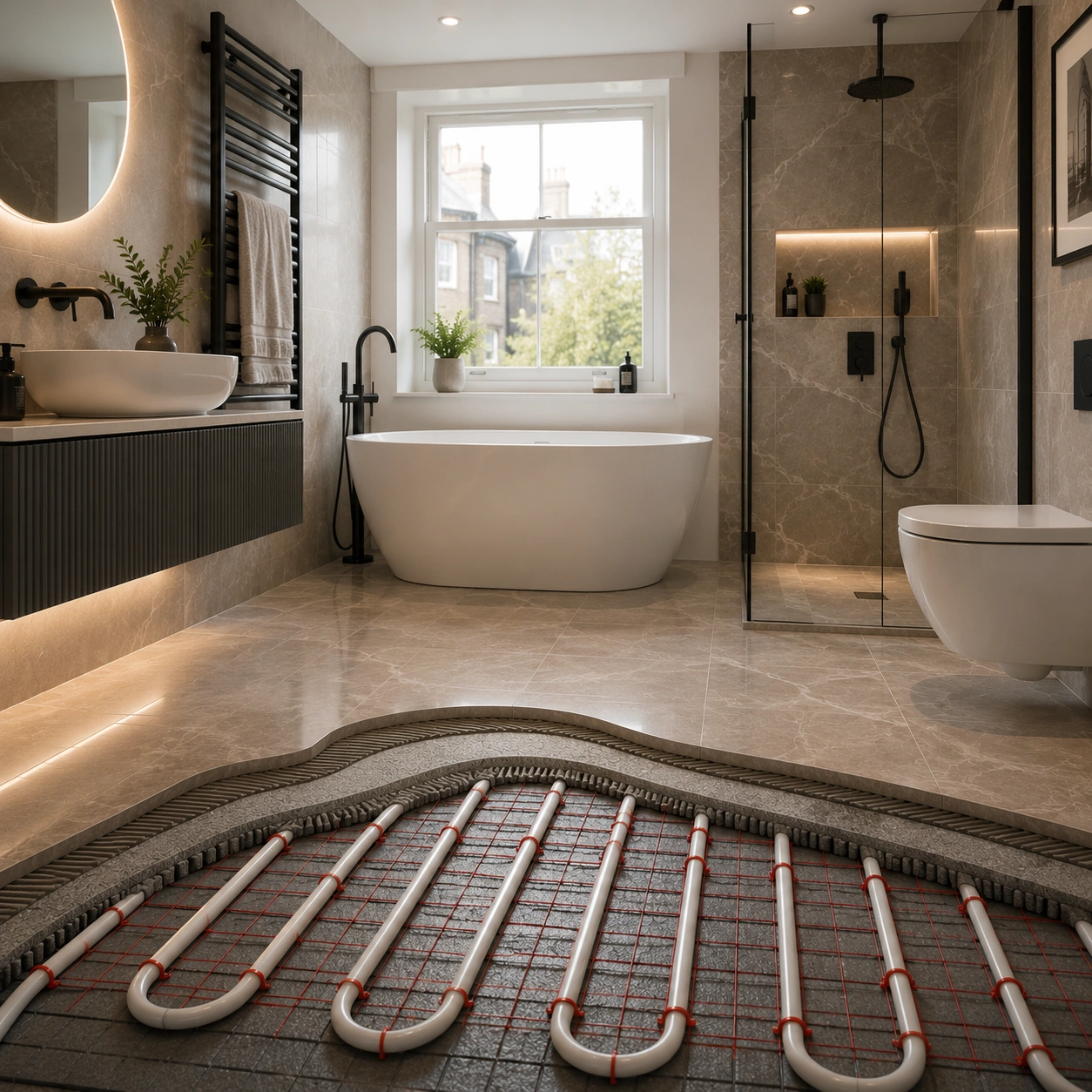
Underfloor Heating Installation in London Bathrooms: Is It Worth It?
Stepping onto a cold bathroom floor on a winter morning is something many London homeowners know all too well. As energy efficiency, comfort, and property value become increasingly important, more people are exploring whether underfloor heating bathroom London installations are a worthwhile investment. With modern heating technologies becoming more efficient and bathroom renovations on the rise across the capital, underfloor heating is no longer considered a luxury reserved for high-end homes.
Whether you are planning a complete bathroom installation London project or upgrading an existing bathroom, understanding the benefits, costs, and long-term value of underfloor heating can help you make a more informed decision.
Why Underfloor Heating Is Growing in Popularity Across London
The demand for underfloor heating has increased significantly in recent years as homeowners seek more energy-efficient heating solutions. According to the UK Government’s Energy Saving Trust, heating accounts for approximately 55% of household energy usage, making heating efficiency a major consideration during home improvements.
Unlike traditional radiators that heat the air around them, underfloor heating distributes warmth evenly across the entire floor surface. This creates a more consistent temperature throughout the room while eliminating cold spots.
In London bathrooms, where space is often limited, removing bulky radiators also creates additional usable wall space and improves overall functionality.

How Underfloor Heating Works in Bathrooms
There are two primary types of underfloor heating systems commonly installed in bathrooms.
Electric Underfloor Heating
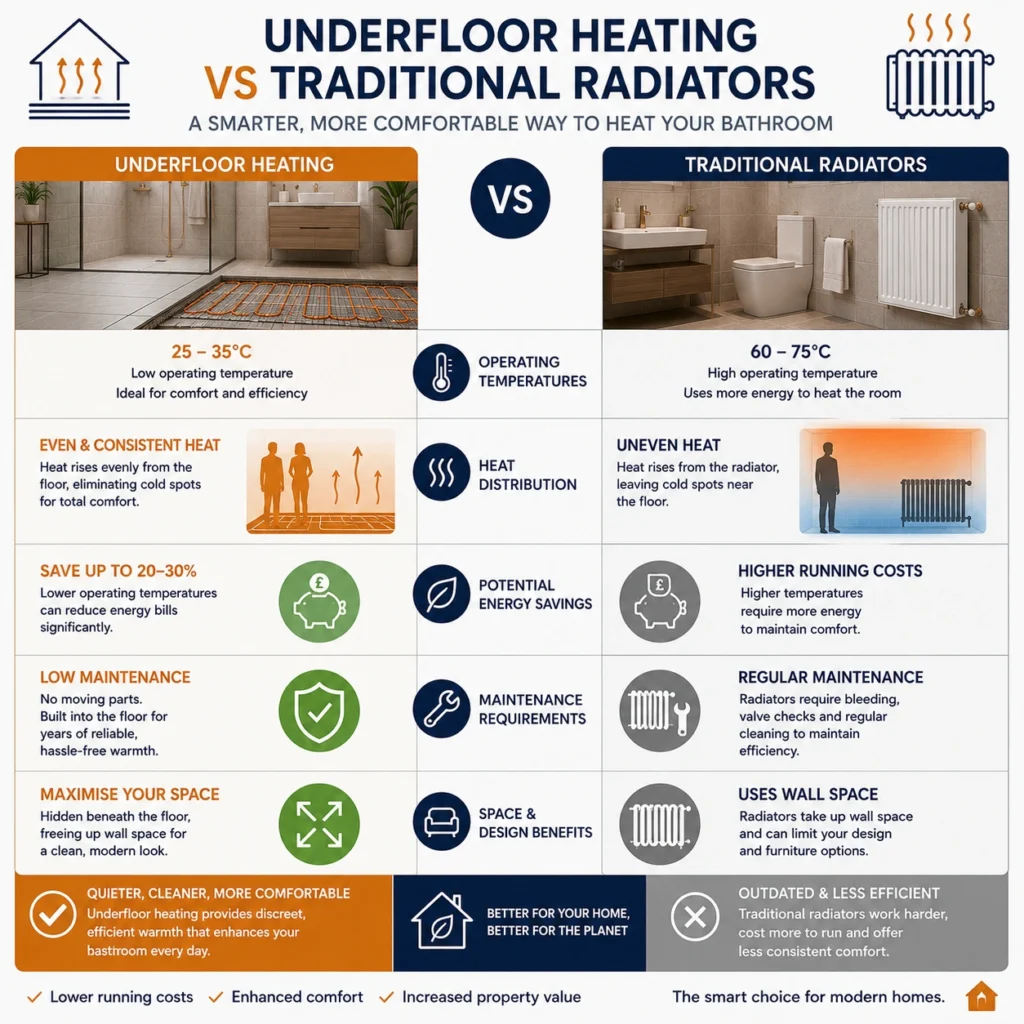
Electric systems use heating mats or cables installed beneath bathroom tiles. They are generally easier and quicker to install, making them popular during bathroom refurbishments.
These systems heat up rapidly and work particularly well in smaller bathrooms
Water-Based Underfloor Heating
Hydronic systems circulate warm water through pipes installed beneath the floor.
While installation costs are higher, operating costs can be lower over the long term, especially when connected to modern boilers or heat pumps.
For larger bathroom projects or full-house renovations, water-based systems often deliver greater long-term efficiency.
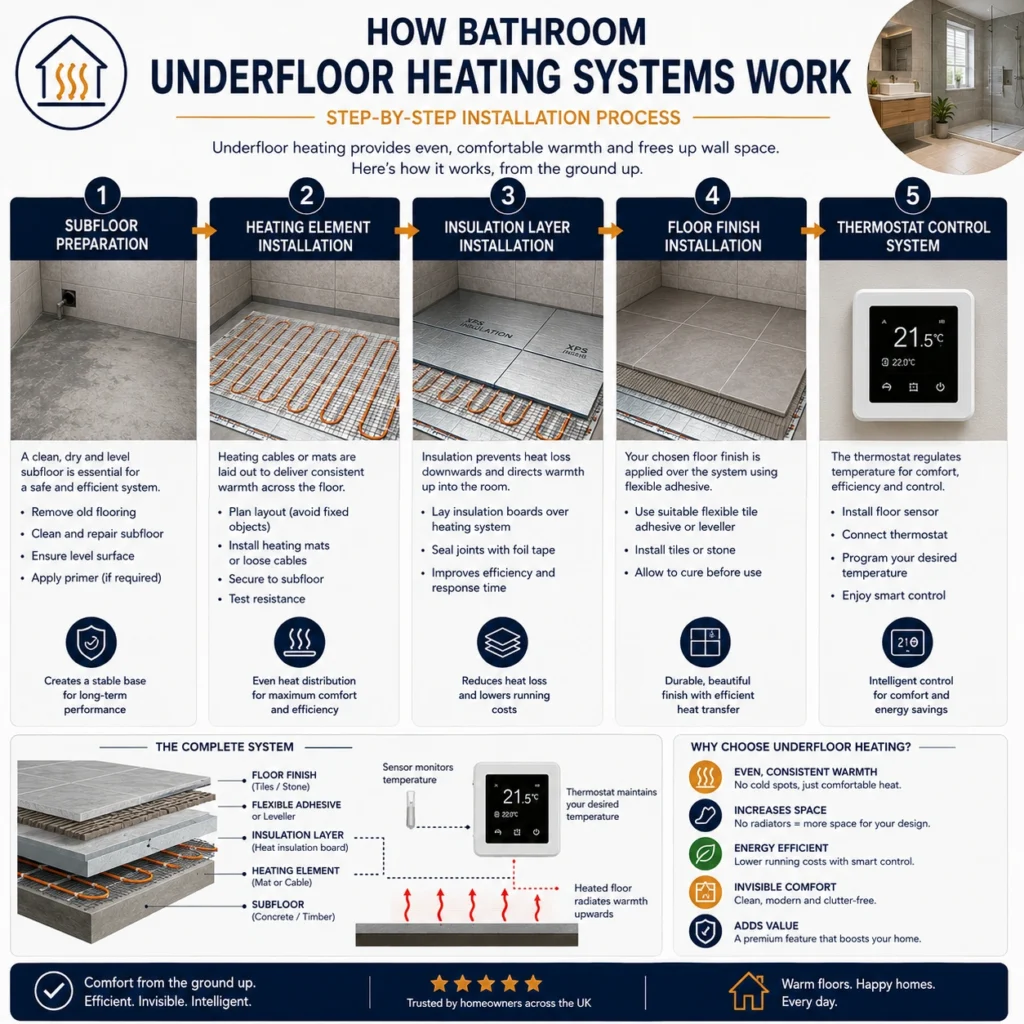
The Comfort Benefits of Underfloor Heating
One of the main reasons homeowners choose underfloor heating is comfort.
Traditional radiators create uneven heat distribution. Areas close to the radiator become warm while other parts of the room remain cooler.
Underfloor heating works differently by creating radiant heat from the ground upward. According to the Energy Saving Trust, radiant heating can improve thermal comfort while operating at lower temperatures compared to conventional radiator systems.
In bathrooms, this means:
- Warm tiles throughout the room
- Reduced condensation
- More comfortable morning routines
- Consistent room temperatures
The feeling of stepping onto a warm tiled floor during London’s colder months is often the feature homeowners appreciate most after installation.
Is Underfloor Heating Energy Efficient?
Energy efficiency is often the deciding factor for many homeowners.
According to the Energy Saving Trust, underfloor heating systems can operate effectively at temperatures between 27°C and 35°C, whereas traditional radiators typically require water temperatures between 55°C and 75°C.
Because of this lower operating temperature, underfloor heating may help reduce energy consumption when properly installed and controlled.
This advantage becomes even more significant when paired with:
- Smart thermostats
- Heat pumps
- High-quality floor insulation
- Modern energy-efficient boilers
For homeowners undertaking a complete bathroom installation London project, incorporating insulation beneath the heating system can significantly improve performance.
Bathroom Underfloor Heating Cost Calculator
Estimate setup costs, monthly running expenses, and efficiency ratings for your bathroom heating project.
Your Estimated Heating Projection
System & Operational Advice:
What Does Underfloor Heating Cost in London?
Cost is naturally one of the biggest considerations.
Prices vary depending on bathroom size, floor type, heating system selected, and installation complexity.
Comparison Table
Actual pricing should always be assessed by a qualified installer because floor preparation and insulation requirements vary considerably across London properties.
Which Bathroom Flooring Works Best?
The effectiveness of underfloor heating depends partly on the flooring material installed above it.
Tiles remain the most popular choice because they conduct and retain heat exceptionally well.
Porcelain and ceramic tiles provide excellent thermal conductivity, allowing heat to move efficiently into the room.
Natural stone also performs well but may require slightly longer heating times due to its density.
Vinyl and engineered wood products can work effectively if specifically approved for use with underfloor heating systems.
When planning an underfloor heating bathroom London installation, discussing flooring compatibility early in the project helps prevent costly modifications later.
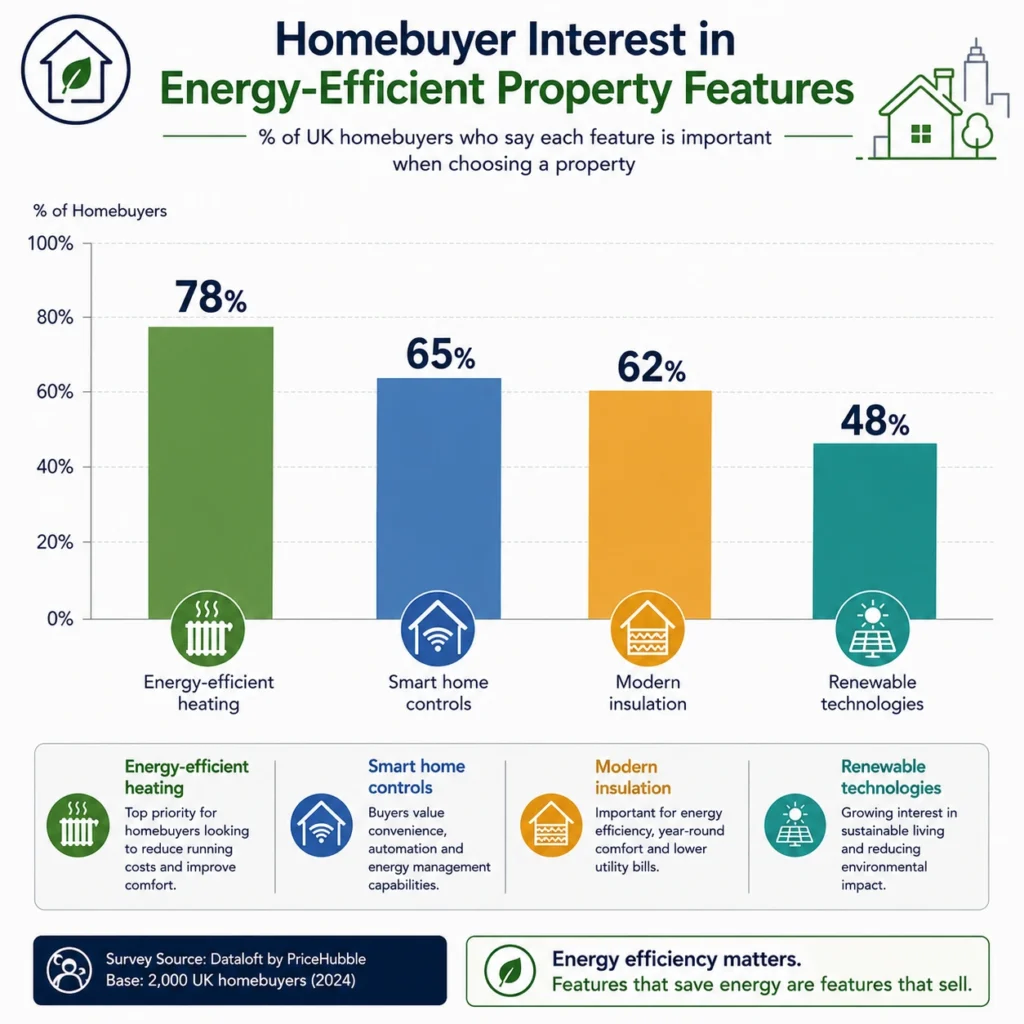
Does Underfloor Heating Add Property Value?
Property improvements that increase comfort and energy efficiency are increasingly attractive to buyers.
According to research from property portal Rightmove, energy-efficient features continue to influence buyer decision-making as energy costs remain a significant concern.
While underfloor heating alone may not dramatically increase a property’s valuation, it can enhance market appeal, particularly in competitive London property markets.
Modern bathrooms featuring underfloor heating are often viewed as premium upgrades that contribute to overall property desirability.
Common Concerns About Bathroom Underfloor Heating
Many homeowners worry about reliability, maintenance, or installation disruption.
Fortunately, modern systems are designed for long service lives when professionally installed.
Electric systems contain few moving parts and typically require minimal maintenance.
Water-based systems may require occasional inspections, but high-quality installations can operate efficiently for decades.
Another common concern involves heating response times. While underfloor heating generally heats more slowly than radiators, it provides more consistent and comfortable warmth once operating.
When Is Underfloor Heating Worth the Investment?
Underfloor heating tends to deliver the greatest value when included as part of a broader bathroom renovation or bathroom installation London project.
The installation process becomes more cost-effective when flooring is already being removed and replaced.
For homeowners focused on comfort, energy efficiency, improved aesthetics, and long-term property appeal, underfloor heating can offer benefits that extend well beyond simple heating performance.
The real question is not simply whether underfloor heating costs more upfront, but whether the added comfort, efficiency, and future-proofing justify the investment for your specific property.
If you were planning a bathroom upgrade today, would warm floors every winter morning be enough to make underfloor heating your first choice?
FAQs – Underfloor Heating Installation in London Bathrooms
1. Is underfloor heating worth installing in a London bathroom?
Yes, underfloor heating is often worth installing in London bathrooms because it provides consistent warmth, improves comfort, reduces cold spots, and can operate efficiently at lower temperatures than traditional radiators. It is particularly beneficial during a bathroom renovation when flooring is already being replaced.
2. How much does underfloor heating cost for a bathroom in London?
The cost of underfloor heating in a London bathroom depends on the size of the room, the type of system chosen, and the complexity of installation. Electric systems generally have lower installation costs, while water-based systems may offer lower running costs over the long term.
3. What is the best type of underfloor heating for bathrooms?
Electric underfloor heating is often the preferred option for bathroom renovations because it is easier and quicker to install. Water-based systems can be more economical for larger renovation projects or new-build properties where long-term energy efficiency is a priority.
4. Can underfloor heating be installed under bathroom tiles?
Yes, underfloor heating works exceptionally well under ceramic, porcelain, and natural stone tiles. These materials conduct heat efficiently, allowing the bathroom floor to warm up quickly and retain heat effectively.
5. Does underfloor heating increase property value?
While underfloor heating may not directly increase a property’s valuation significantly, it can enhance buyer appeal by improving comfort, energy efficiency, and the overall quality of a bathroom renovation.
6. Is underfloor heating energy efficient?
Underfloor heating can be highly energy efficient because it operates at lower temperatures than traditional radiators while distributing heat more evenly throughout the room. Proper insulation beneath the system further improves efficiency.
7. How long does bathroom underfloor heating take to install?
Installation times vary depending on the system type and the condition of the existing floor. Electric underfloor heating can often be installed within one to two days, while water-based systems may take longer due to additional pipework and floor preparation requirements.
8. Can underfloor heating replace a bathroom radiator?
In many cases, underfloor heating can provide sufficient warmth to replace a radiator in a bathroom. The suitability depends on the bathroom size, insulation levels, and heating system design.
9. Does underfloor heating require maintenance?
Electric underfloor heating systems require very little maintenance because they have no moving parts. Water-based systems may need occasional inspections to ensure optimal performance, but maintenance requirements are generally low.
10. What flooring works best with bathroom underfloor heating?
Look for a company with proven experience, positive customer reviews, fully insured services, qualified installers, transparent quotations, and expertise in plumbing, tiling, and complete bathroom fitting.