
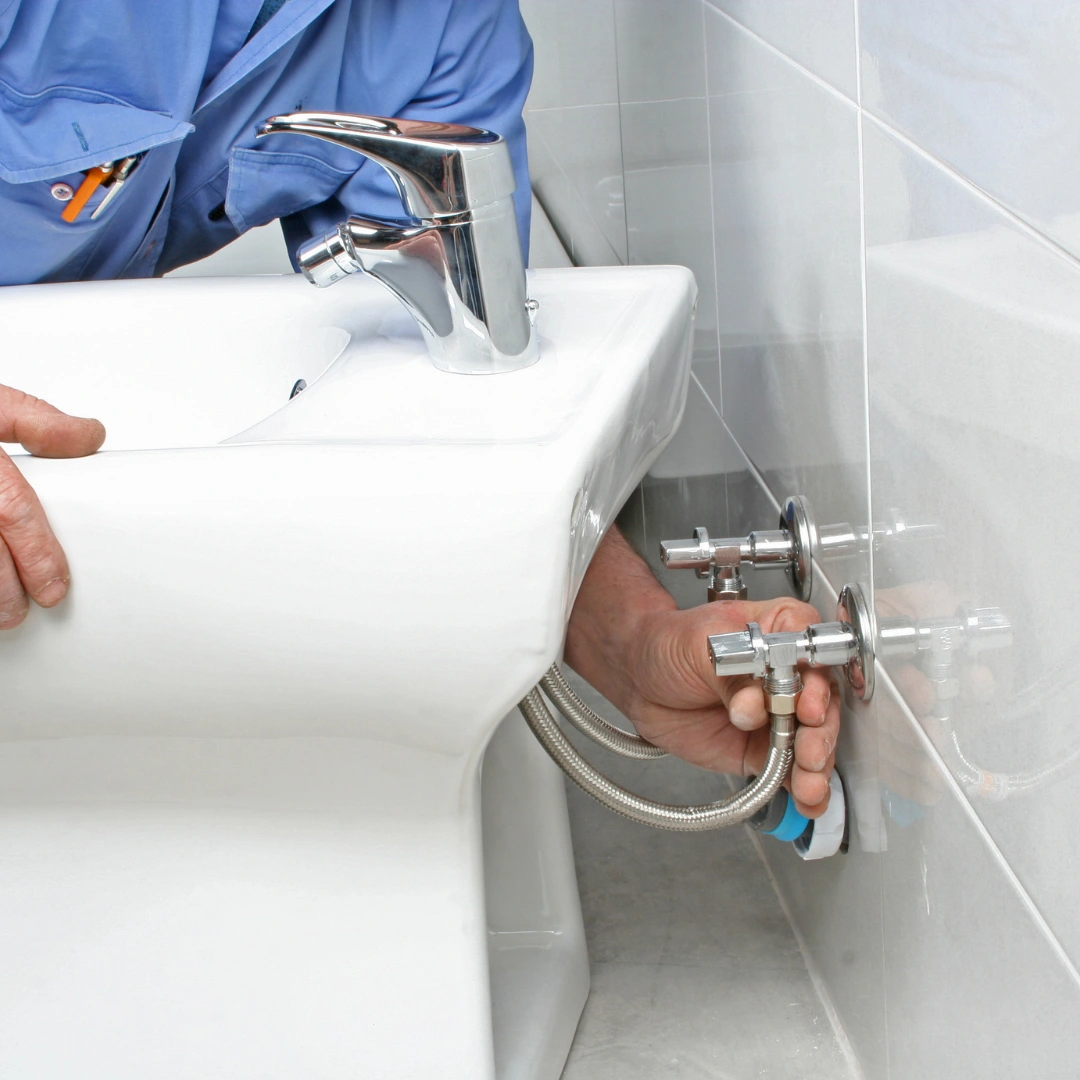
7 Waterproofing Essentials for Long-Lasting Bathroom Installation in Swiss Cottage
A successful bathroom installation Swiss Cottage homeowners can rely on for long-term durability depends on one critical factor: waterproofing. While fixtures and finishes may look impressive, it is the hidden waterproofing systems that protect your home from leaks, damp, and structural damage.
In Swiss Cottage, where many properties include converted flats, period buildings, and compact layouts, moisture control is especially important. According to the Royal Institution of Chartered Surveyors, water-related defects are among the top three causes of post-renovation disputes in residential properties.
For homeowners investing in small bathroom renovation London projects, proper waterproofing is not optional—it is essential for protecting both property value and long-term maintenance costs.
Why Waterproofing Is Critical in Bathroom Installations
Bathrooms are the most moisture-intensive rooms in any home. Steam, splashes, condensation, and hidden leaks create constant pressure on walls, floors, and structural materials.
The Office for National Statistics reports that UK households spend over £1.5 billion annually on property repairs linked to water damage and damp-related issues. A large share of these costs comes from poorly waterproofed bathrooms.
When waterproofing is correctly installed, it can extend bathroom lifespan by 15 to 25 years, according to UK construction durability studies. For a bathroom installation Swiss Cottage homeowners invest in, this translates into major long-term savings.
1. Professional Tanking Systems for Wet Areas
Why Tanking Is the First Line of Defence
Tanking creates a continuous waterproof barrier behind tiles and wall finishes in high-risk areas such as showers and wet rooms.
Tanking systems usually involve liquid membranes or sheet membranes applied to walls and floors before tiling. According to the British Standards Institution, compliant tanking systems reduce moisture penetration by over 90%.
Installing professional tanking typically costs between £400 and £900 in London. However, it can prevent repair bills exceeding £5,000 caused by hidden water damage.
2. Waterproof Shower Tray and Bath Sealing
Preventing Leaks at High-Risk Joints
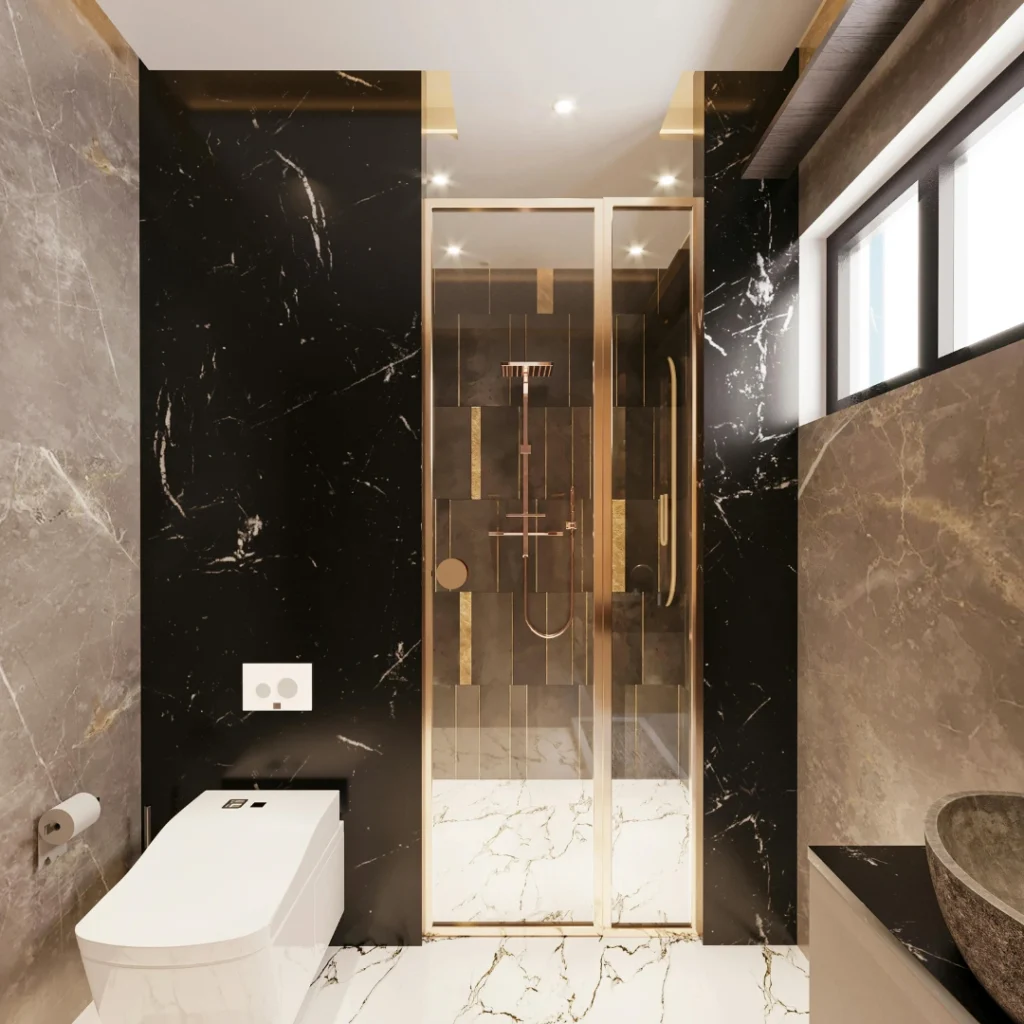
The junctions around shower trays and baths are among the most common sources of leaks.
Research by the Association of British Insurers shows that leaking shower trays and baths account for nearly 18% of water-damage insurance claims.
Modern sealing systems combine waterproof strips, membranes, and specialist sealants. These systems cost £150 to £350 to install but can prevent thousands of pounds in structural repairs.
3. Fully Waterproofed Bathroom Flooring
Protecting the Structure Beneath Your Feet
Bathroom floors are constantly exposed to splashes, spills, and condensation. Without proper waterproofing, moisture can penetrate into floorboards and joists.
UK building surveys show that untreated bathroom floors are responsible for around 25% of structural damp cases.
Professional floor waterproofing involves membranes, flexible adhesives, and sealed drainage systems. This process usually adds £300 to £700 to installation costs but significantly reduces long-term repair risks.
For small bathroom renovation London projects, this step is particularly important due to limited ventilation and tighter layouts.
4. High-Quality Waterproof Backer Boards
Replacing Moisture-Sensitive Materials
Traditional plasterboard absorbs moisture and degrades quickly in bathrooms. Modern waterproof backer boards are designed to resist water penetration.
These boards are commonly used behind tiles in shower enclosures and splash zones. According to UK construction performance testing, cement-based backer boards last up to five times longer than standard plasterboard in wet environments.
Installing waterproof boards typically increases material costs by £200 to £500 but reduces future retiling and wall repair expenses.
5. Correct Drainage and Waste Sealing Systems
Managing Water Flow Efficiently
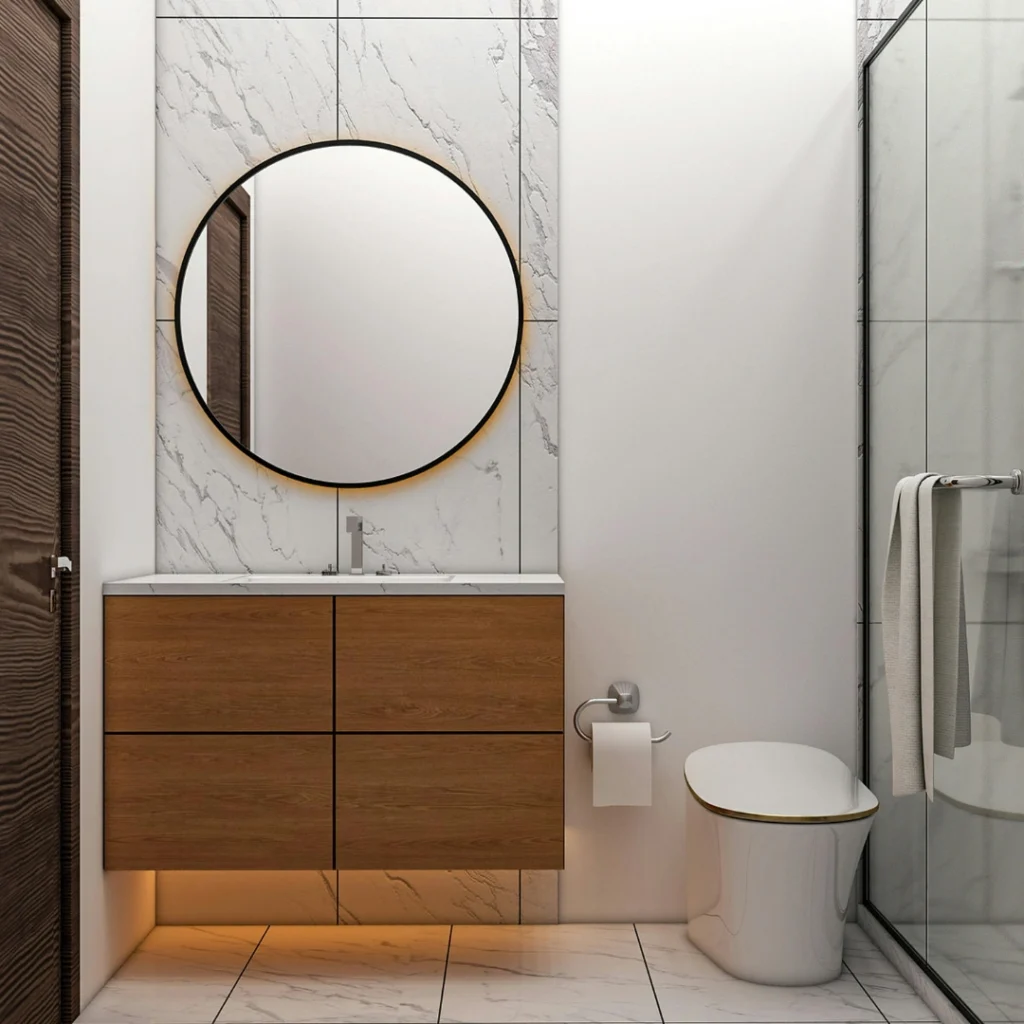
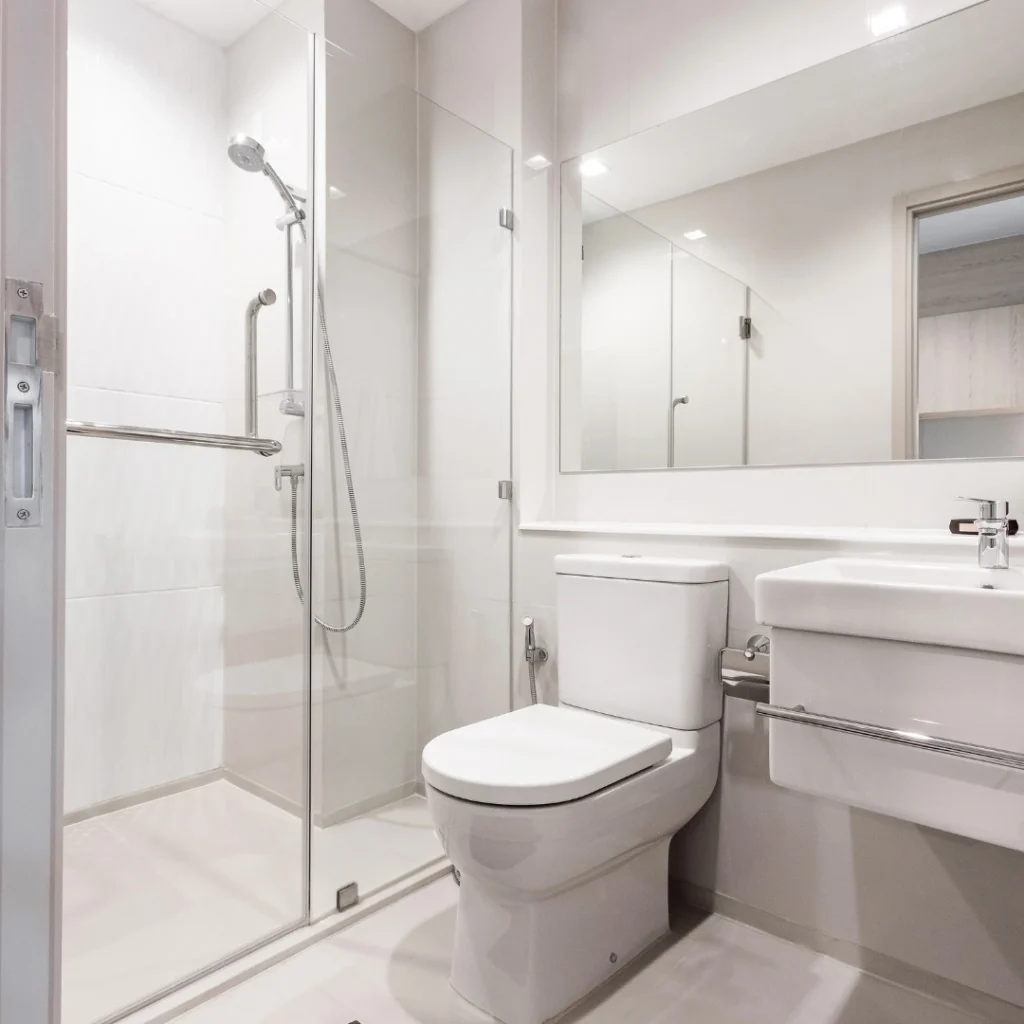
Even the best waterproofing system can fail if drainage is poorly installed.
Professional installations ensure:
- Proper pipe gradients
- Sealed waste connections
- Leak-tested joints
- Secure trap fittings
The Water Regulations Advisory Scheme states that incorrect waste connections are a leading cause of internal water contamination and leakage.
Upgrading drainage systems during installation may cost £250 to £600 but helps prevent persistent damp patches and odour problems.
6. Vapour Barriers and Condensation Control
Controlling Moisture in the Air
Not all bathroom moisture comes from direct leaks. Steam and condensation can also damage walls and ceilings.
According to UK housing condition surveys, condensation-related damp affects nearly 14% of flats in London.
Vapour barriers and moisture-resistant linings prevent water vapour from penetrating structural materials. Combined with proper ventilation, these systems can reduce mould formation by up to 60%, based on environmental health data.
Installing vapour protection systems usually adds £150 to £400 to refurbishment costs but protects long-term indoor air quality.
7. Professional Testing and Certification
Ensuring Long-Term Performance
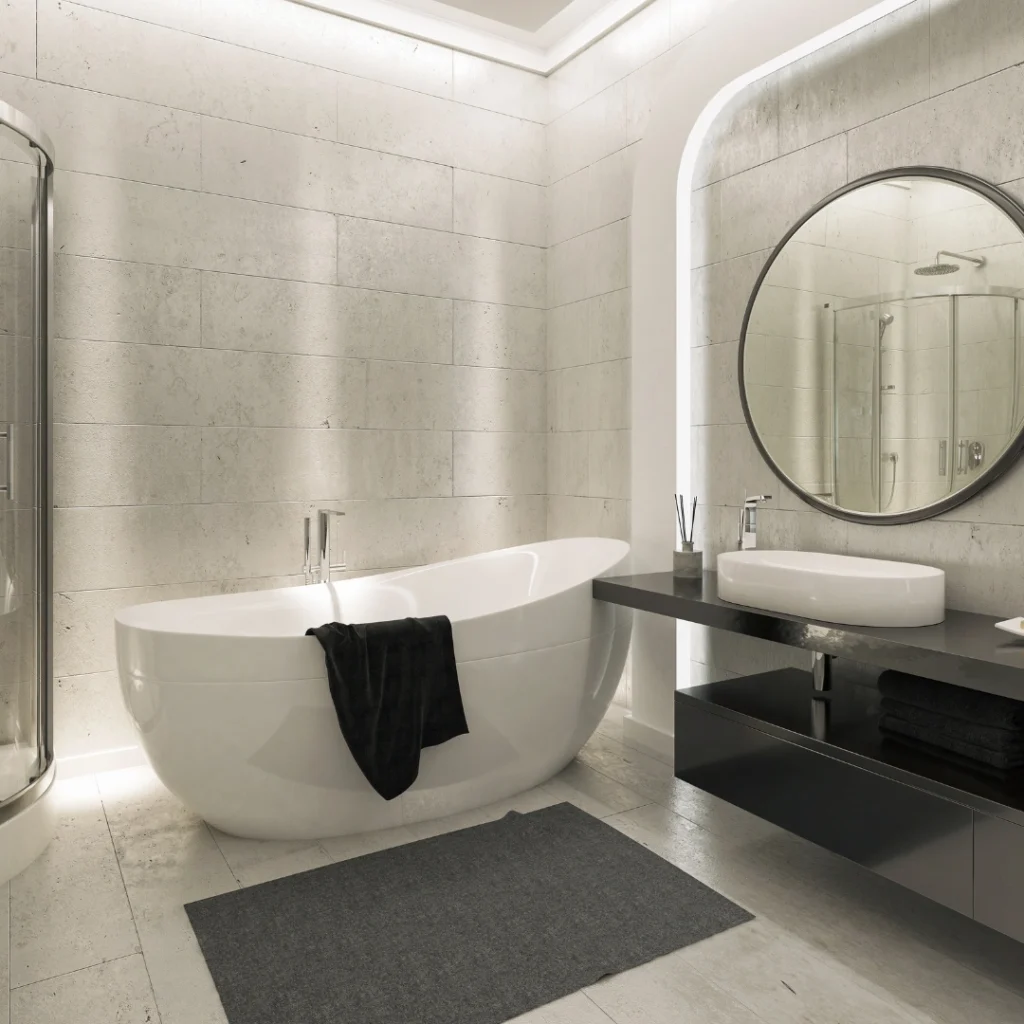
The final waterproofing essential is professional testing and compliance certification.
Installers should conduct:
- Pressure testing of pipework
- Moisture barrier inspections
- Drainage flow tests
- Seal integrity checks
Certified work aligns with guidance from the National House Building Council, which reports that certified waterproofing reduces defect claims by over 35%.
Testing and certification may add 5% to 7% to installation costs but significantly improves long-term reliability and resale confidence.
The Financial Impact of Poor Waterproofing
Inadequate waterproofing is one of the most expensive mistakes in bathroom renovations.
UK insurance data shows:
- Average water damage claim: £2,700
- Average repair duration: 16–20 days
- Temporary relocation costs in severe cases
For Swiss Cottage homeowners, poor waterproofing can quickly turn a modest renovation into a major financial burden.
In contrast, comprehensive waterproofing typically represents only 10% to 15% of total bathroom installation budgets.
Budgeting for Waterproofing in Swiss Cottage
Realistic budgeting is key to successful project planning.
Industry benchmarks suggest allocating:
- 6%–8% to tanking and membranes
- 4%–6% to floor and drainage protection
- 3%–5% to testing and certification
- Around 10% contingency
Construction management studies show that projects with dedicated waterproofing budgets are 40% less likely to experience post-completion defects.
Why Professional Planning Matters in Swiss Cottage
Swiss Cottage properties often include basement flats, converted houses, and shared service systems. These features increase waterproofing complexity.
Experienced installers understand:
- Local building structures
- Shared drainage risks
- Ventilation limitations
- Compliance requirements
For small bathroom renovation London projects, this expertise is essential to maximise durability in compact spaces.
Waterproofing Protects Your Investment
Waterproofing is the foundation of every long-lasting bathroom installation Swiss Cottage homeowners can depend on. From tanking systems and sealed floors to vapour barriers and certification, each element plays a vital role in protecting your home.
UK data from insurers, housing bodies, and construction authorities consistently shows that high-quality waterproofing reduces repair costs, extends bathroom lifespan, and improves resale value.
By prioritising professional waterproofing from the outset, homeowners can secure a durable, compliant, and future-proof bathroom installation that delivers lasting peace of mind.